Nep
A nep is a small cluster or knot of fibers that appears on the surface of yarn or textile. It may be intentionally added to create a rustic, uneven look, or treated as a manufacturing defect.
Contents6 sections
Definition and Overview
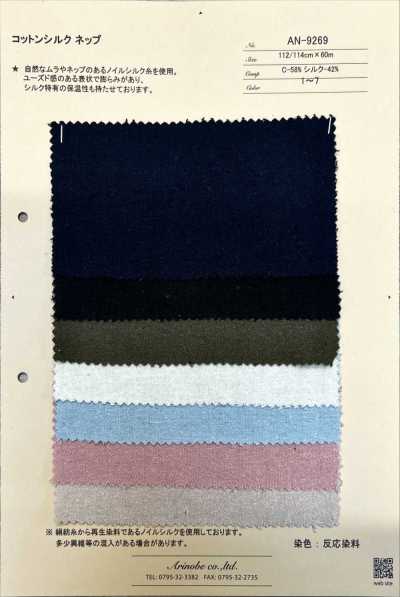
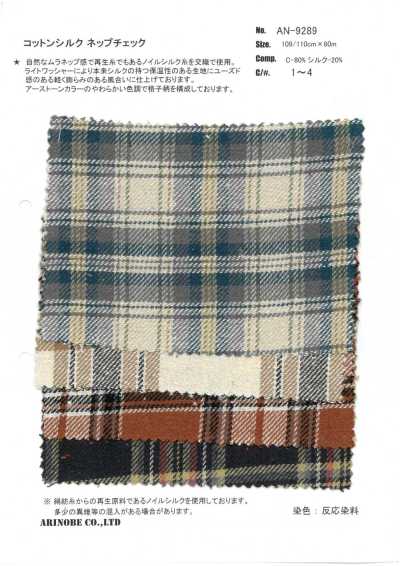
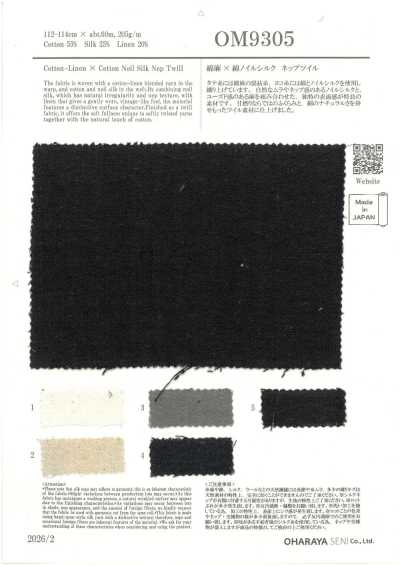
Nep refers to small grain-like or knot-like lumps of short fibers tangled together. They may come from the raw fibers, be created during spinning, or be intentionally added to yarn as a design feature, and they appear on the surface of the textile as dotted unevenness or variations in color depth.
Nep is not a fabric weave or knit structure name, nor a material name; it is a term mainly used to describe the look of yarn or textile. Even with the same nep, the appearance varies greatly depending on the material, particle size, amount, color, and contrast with the base color.
Characteristics and Appearance
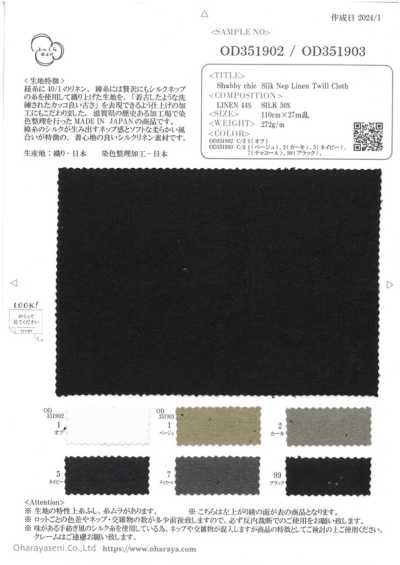
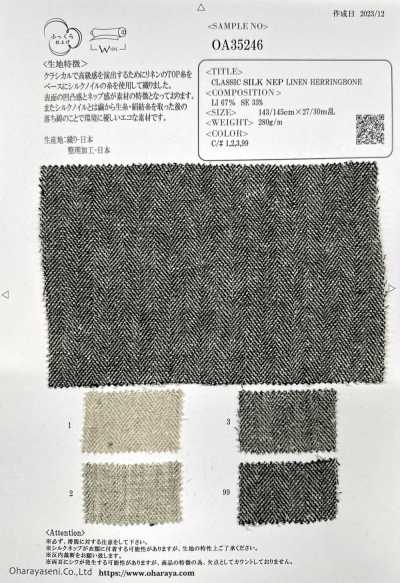
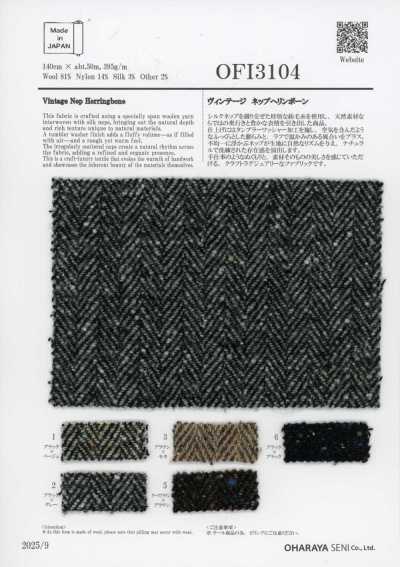
Textiles that use nep as a design feature can express a handcrafted feel, a vintage mood, and a natural, rustic texture unlike a uniform, neat surface. Even on a solid textile, it creates surface variation, making it an accent in simple designs.
On the other hand, unintended large neps, neps concentrated in one area, or fiber clumps that may fall off can lead to appearance defects or reduced strength. It is important to check not only whether neps are present, but also their even distribution and resistance to shedding.
- The larger the nep particles, the stronger the surface unevenness and casual impression become.
- Colored neps create a dotted look different from melange yarn through contrast with the base color.
- Neps themselves do not provide functions such as water absorption, heat retention, or stretch.
Main Applications
Nep textiles are used for shirts, blouses, dresses, skirts, pants, jackets, and more. They are often seen in spun yarns such as cotton, linen, and wool, and suit natural, workwear, and classic concepts that make use of the inherent irregularity of the material.
In spring and summer, they are used in light woven fabrics and knits for a cool look; in autumn and winter, they are used in brushed or heavier materials for a warm look. However, the suitable season is determined not by the nep itself, but by the base fabric material, thickness, density, and finish.
Selection and Handling Notes
When selecting, spread out the textile and check the nep size, density, color difference, and direction, rather than relying only on a swatch. In areas where left-right appearance matters, such as seams and pockets, confirm the nep positions before cutting and plan the cutting layout so placement differences do not stand out.
Changes due to shrinkage or washing are affected not by the presence of neps, but by the main material and finishing. In particular, textiles containing natural fibers should undergo washing tests or hot-water treatment before mass production to confirm shrinkage rate, fuzzing or shedding of neps, and surface changes.
During sewing, the thickness caused by neps may make seams look slightly uneven. Where noticeable neps overlap seam allowances, avoid those positions if necessary. When ironing, do not press hard; use a pressing cloth and check the surface unevenness and shine as you work.
Differences from Similar Terms
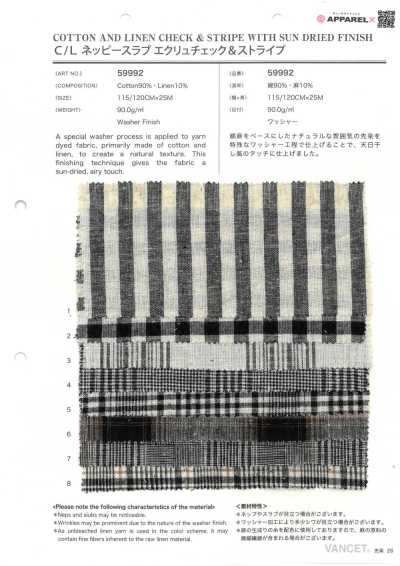
Slub yarn is an uneven yarn that becomes thicker or thinner along the length, and textiles made from it tend to show linear or streak-like irregularity. By contrast, nep is basically different in that it appears as dotted or grain-like knots formed by fiber clumps.
Melange yarn refers to a heathered color tone created by mixing fibers or yarns of different colors. Nep textiles may also show mixed colors, but while the main feature of melange yarn is color blending, the main feature of nep is surface unevenness caused by localized fiber clumps.
Pilling is the phenomenon in which lint balls form on the textile surface through wear or friction. Nep may be a design feature or a defect that exists from the manufacturing stage, and it is distinguished from pilling that develops after use.
Frequently Asked Questions
Is nep a textile defect?
Nep is not always a textile defect. Nep designed as a feature is treated as a characteristic of the textile. On the other hand, neps that are not specified, are too large, are concentrated, or shed may become defects. When ordering, it is important to share the acceptable sample and inspection criteria.
Do nep textiles shrink easily when washed?
The presence of neps itself does not make a textile more likely to shrink. Shrinkage varies depending on the material composition, such as cotton, linen, and wool, the density of weaving or knitting, finishing, and washing conditions. Before mass production, test under the intended washing conditions and confirm the shrinkage rate and fuzzing or shedding of neps.
What is the difference between nep and slub?
Nep refers to dotted or grain-like knots formed by fiber clumps, while slub refers to a state in which yarn thickness is uneven along the length. The difference is that nep is more easily seen as point-like unevenness, while slub is more easily seen as changes in thickness like a streak. However, some yarns and textiles have both appearances.