Slub Yarn
Slub yarn is a yarn with intentionally irregular thick and thin sections that create an uneven, natural appearance on the surface of woven or knitted fabrics.
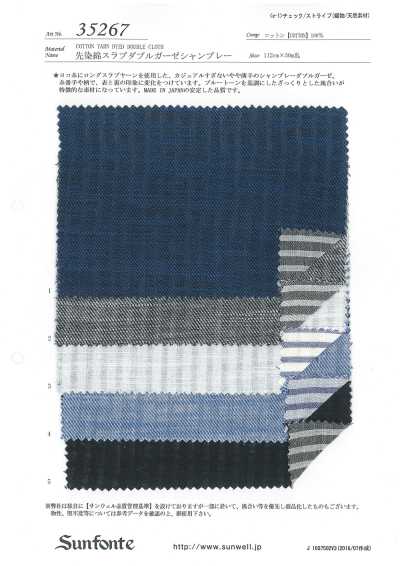
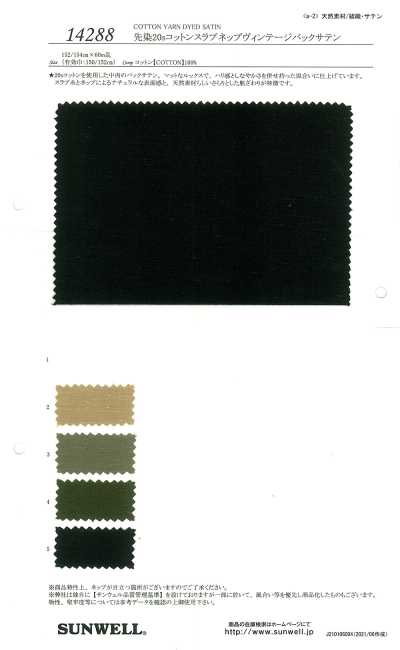
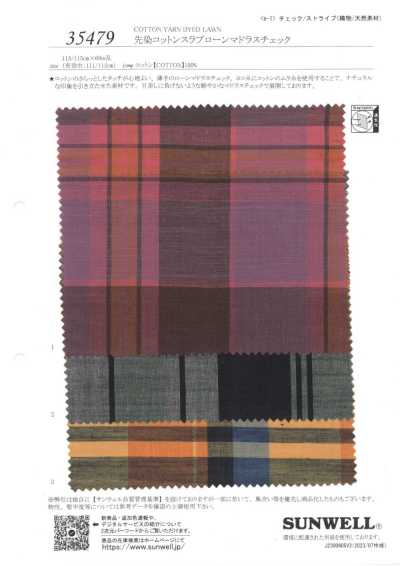
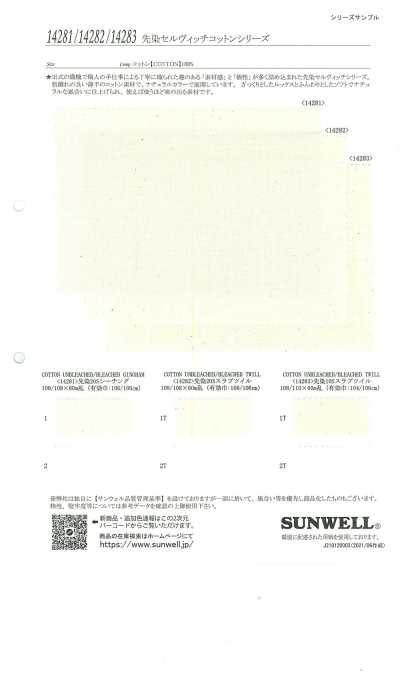
Contents6 sections
Definition and Overview
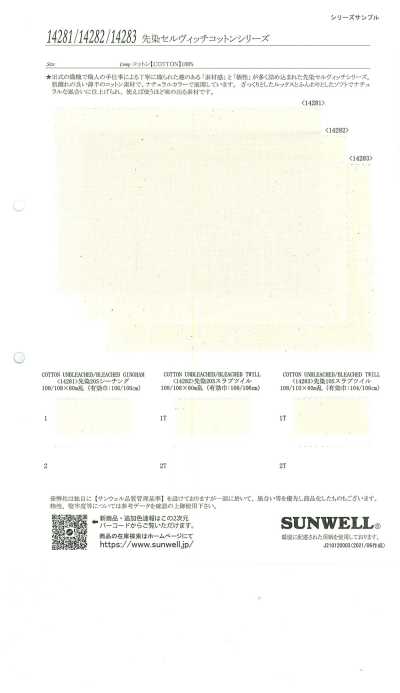
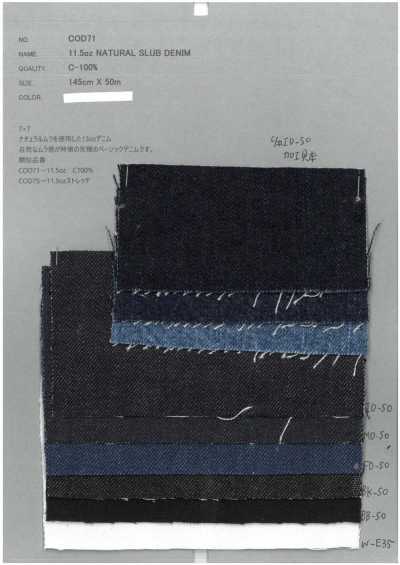
Slub yarn is yarn that has slubs, which are thick, knot-like sections in parts of the yarn. By creating variations in thickness during spinning and processing, it gives textiles a rustic look similar to hand-spun yarn, which is hard to achieve with uniform yarn.
The thickness, length, and spacing of the slubs vary depending on the yarn. It may be used only in the warp or weft, or in both, and the surface appearance also changes depending on the weave and density.
Features
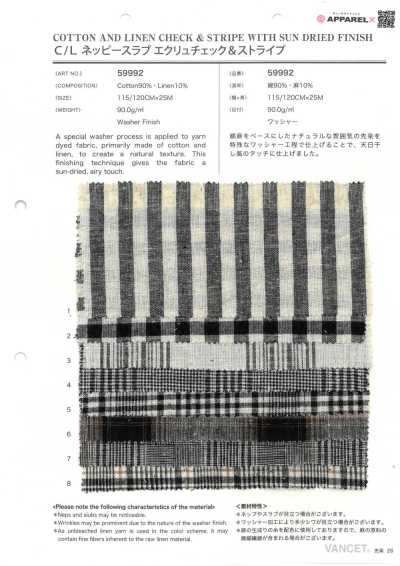
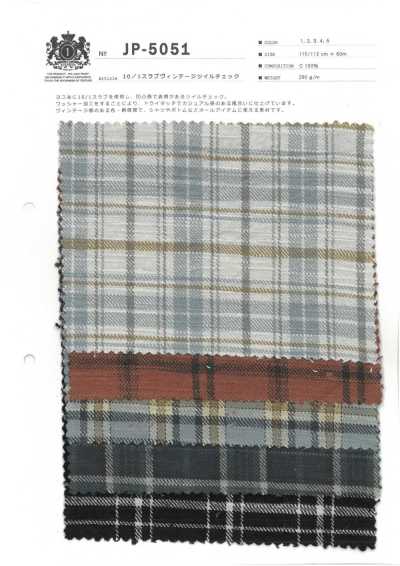
Because the thick sections create texture and light-and-dark variations on the textile surface, it is characterized by a natural, vintage, craft-like feel. Even in solid colors, it easily creates visual interest, and during dyeing, differences in thickness may cause changes in how the color appears.
Slubs are intentionally designed irregular thicknesses and are not necessarily a quality defect. However, the greater the variation in thickness, the more the textile may appear to have different thickness, sheerness, and sense of strength in different areas.
Main Applications
It is used for yarn made from various fibers such as cotton, linen, rayon, and polyester. It is used in plain weave, lawn, gauze, twill, jersey, and more, and depending on the material and weave, it can be finished to look light and airy or firm and substantial.
In addition to shirts, blouses, dresses, skirts, and cut-and-sew items, it is often used for casual wear for spring and summer. In heavier textiles, its texture can also be used effectively for jackets, pants, bags, and interior applications.
Selection and Handling Notes
When selecting, check how noticeable the slubs are across the entire textile. Since the appearance of texture and light-and-dark variation changes depending on color, dyeing method, and lighting, it is important to check whether it matches the specifications by considering not only the roll but also how the cut parts will look after cutting.
During cutting, the arrangement of the slubs may create differences in appearance between left and right parts or from one product to another. During sewing, the resistance of the needle passing through thick sections and the appearance of the stitches may change, so make a trial sew and check the needle, thread, and stitch conditions.
The degree of shrinkage, wrinkling, and color fading caused by washing and finishing depends not on the slub yarn itself but on the type of fiber, weave, and processing. Before production, carry out washing tests and check shrinkage, and set washing instructions suitable for the material.
Differences from Similar Terms
Nep usually refers to a state in which clumps of fibers or small lint-like particles appear on the surface, and its visual effect differs from slub, which continuously or intentionally changes the thickness of the yarn. Slub yarn may sometimes also have an appearance similar to nep.
Carded yarn is spun yarn that has gone through the carding process to align short fibers, and it differs from slub yarn in how the yarn thickness is classified. Carded yarn can also be made into a slub shape, and in some cases it has features of both.
FAQ
Is the uneven thickness of slub yarn a textile defect?
In slub yarn, unevenness caused by thick and thin sections is generally an intentionally created design feature. However, thickness changes outside the standard, foreign matter, yarn breakage, and weaving defects may be separate issues. Compare it with samples and standards to make a judgment.
Is fabric made with slub yarn difficult to sew?
Depending on the size of the slubs and the thickness of the textile, the needle penetration and the appearance of the stitches may change in thick sections. Extremely fine needles or thin sewing thread may make this more noticeable, so it is important to make a trial sew before full production and adjust the sewing conditions.