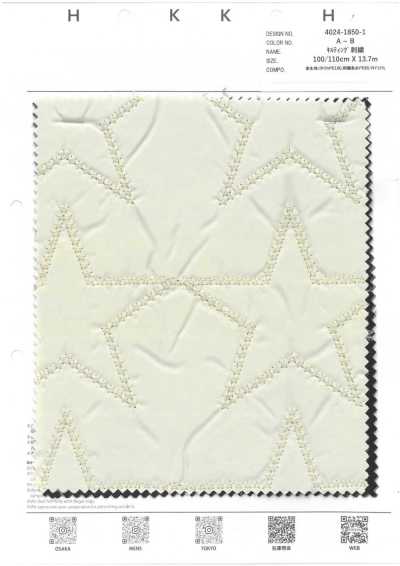
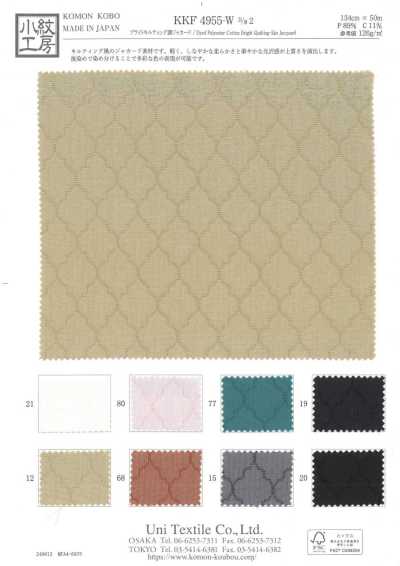
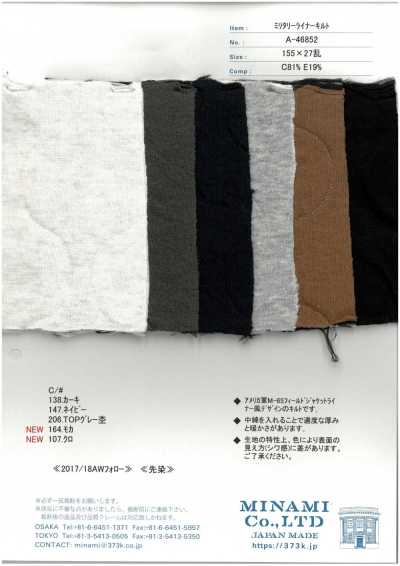
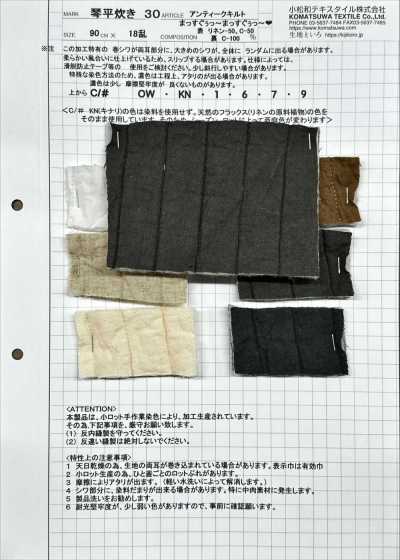
Quilting
Quilting is a process, or the textile itself, in which the outer fabric, quilt batting, lining, and other layers are stacked and secured with stitching to create a raised pattern, warmth, and moderate thickness.
Contents6 sections
Definition and Overview
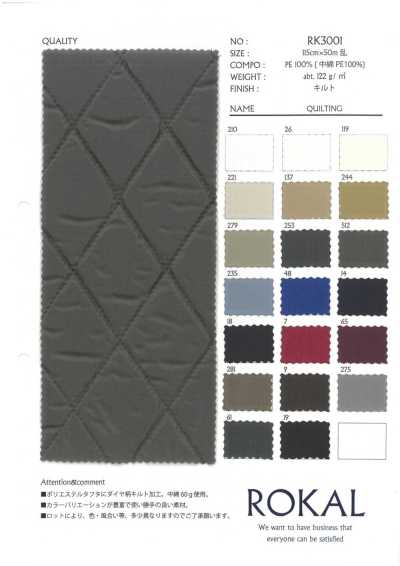
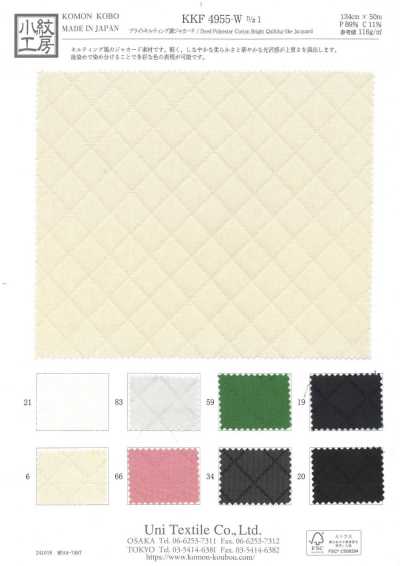
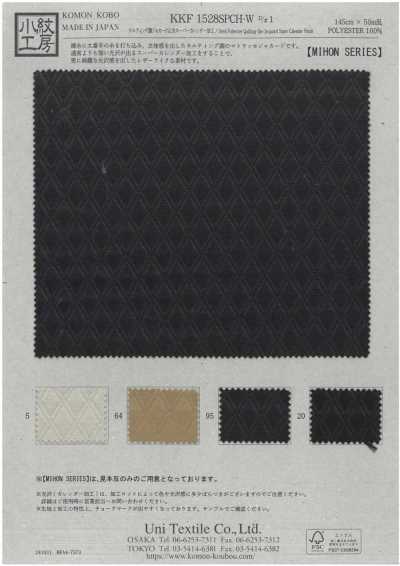
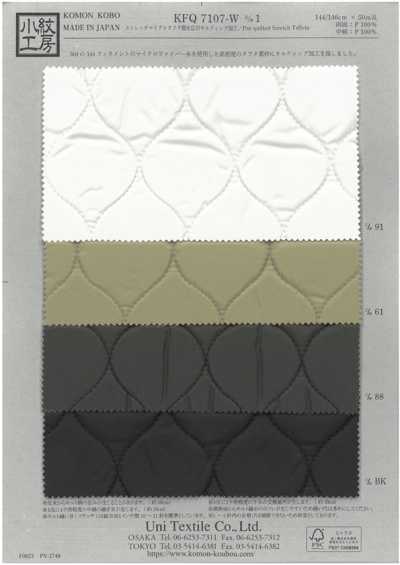
Quilting is a process of layering multiple materials and stitching them together. In many cases, quilt batting is placed between the outer fabric and the lining, and secured with stitching at regular intervals. Stitch patterns such as diamonds, grids, and waves appear on the surface.
“Quilt” originally refers broadly to anything made by stitching layered fabric together, but in Japan’s fabric and apparel fields, it may also be used to refer to pre-made quilting fabric. Quilting is not a weaving structure or a fiber name, but a process created through layered construction and sewing.
Texture and Function
Because it contains an air layer from the quilt batting, it generally has volume and is a fabric that easily provides a soft hand and warmth. While the stitching helps prevent the batting from shifting, the stitched areas become thinner, creating a textured surface with raised and recessed areas.
Lightness, firmness, and drape vary greatly depending on the materials of the outer fabric, lining, and batting, the fabric weight, and the spacing of the stitching. Fine quilt patterns tend to keep the batting stable and give a neat impression, while larger quilt patterns more easily show volume, though care is needed to prevent the batting from moving.
Main Uses and Seasons
Quilting with batting is often used for autumn and winter cold-weather apparel such as blousons, coats, vests, and jackets. In lighter constructions, it is also used for outer layers, skirts, bags, and pouches, and the stitch pattern can be used as a design element.
Outside apparel, it is also used for cushion covers, mats, and bedding-related items. When deciding on applications, confirm not only warmth but also the performance required in the finished product, such as the outer fabric’s abrasion resistance, the batting’s recovery, and the lining’s slipperiness.
Selection and Handling Notes
When selecting, check not only thickness and fabric weight but also the stitch pattern and spacing, the type of batting, the materials of the face and back, and the washing method. Thick materials tend to create bulky seam allowances, so examine details such as collars, cuffs, and pocket openings, as well as compatibility with the sewing machine, needle, and presser foot to be used, in advance.
Shrinkage from washing or heat may cause puckering or waviness on the surface if the outer fabric, lining, and batting shrink at different rates. Before mass production, confirm shrinkage rate, changes in texture, and batting shifting under the intended washing conditions, and handle according to the care label.
During cutting, align the direction of the quilt pattern and the placement of the design so that the left and right pieces look the same. During sewing, use a machine with stable feeding appropriate to the thickness to prevent misalignment and irregular stitches. Reduce seam allowance bulk as needed and construct the garment to relieve thickness.
Differences from Similar Terms
Double weave is a woven fabric made by creating two layers on a loom, and its manufacturing method differs from quilting, which sandwiches batting and secures it with stitching. Lamination and bonding are processes that combine fabrics using film or adhesive, and raised texture from stitching is not essential.
Sashiko is a technique that shows repeated stitches on fabric as decoration or reinforcement. It may sometimes involve a structure with batting sandwiched inside, but quilting generally places emphasis on fixing multiple layers to give thickness and warmth.
Frequently Asked Questions
Does quilting fabric shrink in home laundering?
Whether it shrinks and by how much depends on the materials of the outer fabric, lining, and batting, the processing, and the washing conditions. If the shrinkage differs greatly by layer, the surface may pucker or become wavy after washing. Check the fabric care instructions and confirm dimensional and appearance changes with a test wash before productizing.
What should I watch out for when sewing quilting fabric?
Because of the thickness, seam allowances may overlap easily, causing misalignment or feeding problems. Choose a needle and thread suited to the fabric thickness, and check the stitches and feed with a test sew. Align the direction and position of the quilt pattern on the left and right sides, and if necessary, reduce seam allowance bulk.