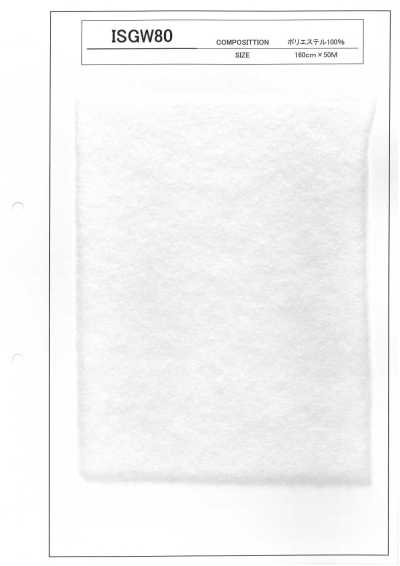
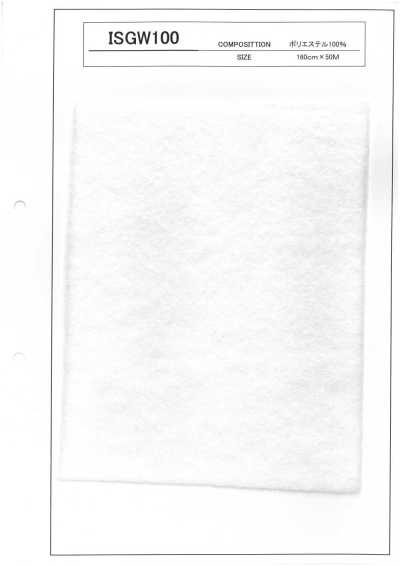
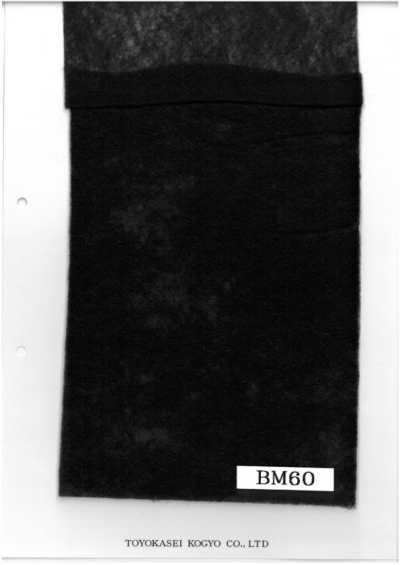
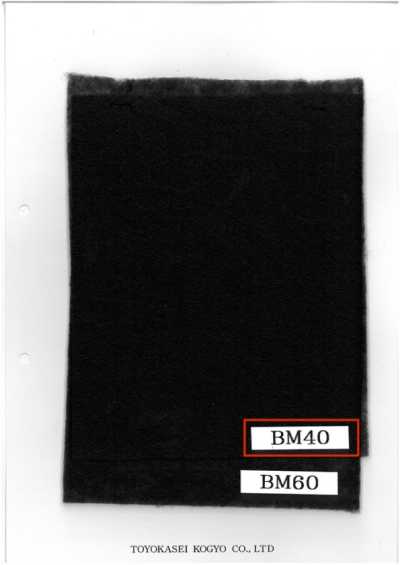
Quilt Batting
Quilt batting is a secondary material made by processing fibers into a batting-like or sheet-like form, used between the outer fabric and lining to provide warmth, loft, cushioning, and three-dimensional fullness.
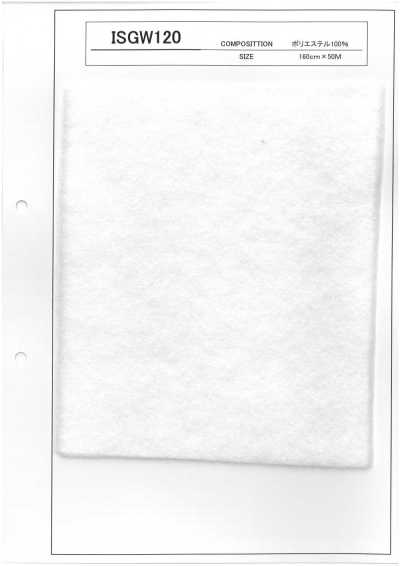
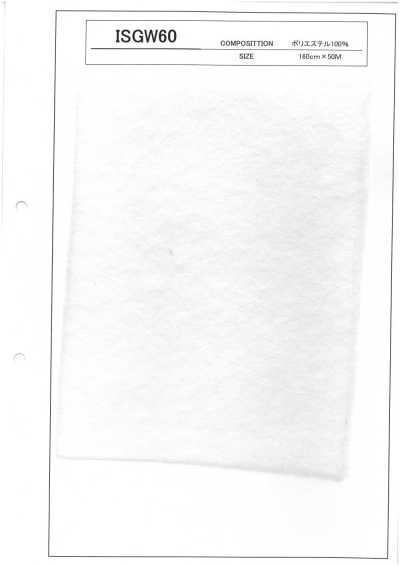
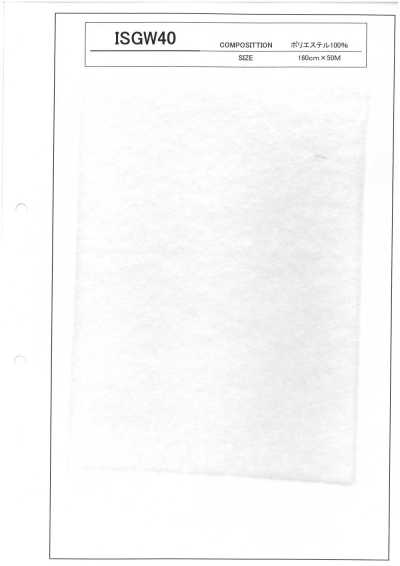
Contents5 sections
Definition and Overview
Quilt batting is a filling material inserted inside garments. By creating a layer that traps air, it helps provide warmth and gives garments fullness and soft thickness. Sheet-type batting is cut before use, while fiber-fill type batting is stuffed in according to the area.
Interfacing is also a material used on the inside of garments, but it differs in that its main purpose is to retain shape and reinforce. Quilt batting is mainly used to provide warmth, cushioning, and volume, and it is generally not required to have the same stiffness or firmness as interfacing.
Areas Used and Functions
It is used in the body and sleeves of coats, blousons, vests, and similar items. In quilted constructions, the outer fabric, batting, and lining are layered and stitched together to provide both warmth and decorative appeal while preventing the batting from shifting.
Outside apparel, it is also used for the body, handles, and other small items such as bags and pouches where protection is desired. Thin batting is suitable when you want to add a soft hand or moderate fullness without greatly changing the thickness.
- Add warmth
- Create fullness and dimensionality
- Reduce impact
- Make the thinness of the outer fabric and the seams less noticeable
Materials and Types
Materials include polyester, cotton, wool, and others, and the hand and function vary depending on the fiber type, fiber thickness, loft, and sheet density. Polyester types are often used in products that prioritize lightness and ease of handling, while natural fiber types are chosen for applications that want to make use of the material's texture.
Shapes include nonwoven sheet types made by entangling fibers, batting-fill types stuffed with fibers, and types in which fibers are fixed with adhesive. There are also quilt battings with adhesive layers on one side or both sides that can be temporarily bonded or bonded to the outer fabric or lining.
How to Choose and Sewing Precautions
If a thick, firm batting is combined with a thin, soft outer fabric, the surface may pucker or the seams may be stressed. Check the thickness, stretch, drape, and warmth required for the product, and select by combining the batting's thickness, density, resilience, and firmness.
Batting tends to shift during cutting and sewing, so stabilize its position with temporary fixing, quilting, or topstitching. With thicker materials, seam allowances can pile up and become bulky, so confirm seam finishing, the choice of sewing machine needle and thread, and the sewing conditions for stepped areas in advance.
For adhesive types, it is important to check the heat resistance of the outer fabric and its compatibility with surface finishes, and to perform a test bond. If heat or pressure is insufficient, it may cause peeling, and excessive conditions may lead to deformation of the outer fabric, glossing, or bleed-through of adhesive.
Frequently Asked Questions
What is the difference between quilt batting and interfacing?
Quilt batting is a filling material used to provide warmth, fullness, and cushioning. Interfacing, on the other hand, is a reinforcement material used to maintain the shape of collars, front edges, facings, and similar parts, and to prevent stretching and distortion. Depending on the product, both may be used in different areas.
Can quilt batting be bonded to the outer fabric?
If the batting has an adhesive layer, it can be bonded, but not all batting is intended for bonding. Depending on the outer fabric material and finish, heat may cause changes, so perform trial bonding with different temperature, time, and pressure settings, and check the appearance and whether any peeling occurs.
How do you determine the thickness of quilt batting?
It is decided based on the required warmth, the silhouette you want to achieve, the thickness of the outer fabric and lining, and the seam allowance thickness that can be sewn. Even at the same thickness, fullness and firmness differ depending on the material and density, so it is important to check with an actual sewn sample with the layers stacked together.
- Browse Quilt Batting products
- Products with material "Cotton"
- Products with material "Polyester"
- Products with material "Nylon"
- Products with material "Wool"
- Products for style "For Outerwear/blousons/coats"
- Products for style "For Jackets/Suits"
- Products for style "For Sports"
- Products for style "Outdoor"
- Products for style "For Bags"
- Browse Interfacing products