Laminate Bonding
Laminate bonding is a process that adheres and integrates multiple layers such as the face fabric, lining, film, and foam, adding functionality, thickness, and appearance.
Contents6 sections
Definition and Overview
Laminating and bonding are composite processing methods that join different materials with adhesive, heat, film, and similar means. By placing a membrane or foam between the outer fabric and lining, they add performance and structure that are difficult to achieve with a single-layer textile alone.
Lamination is often used to mean layering film or a membrane onto a textile, while bonding is used to mean adhering textiles to each other. However, in trade, both terms are sometimes used broadly with the same meaning.
Features
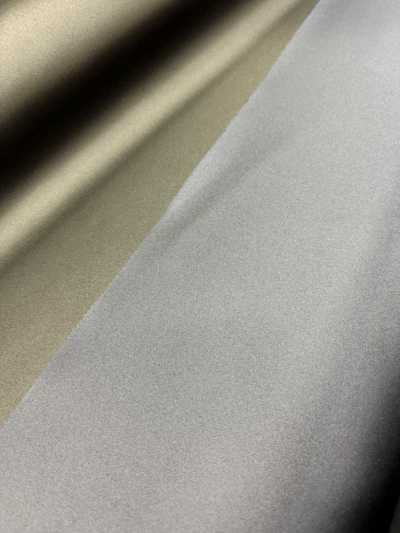
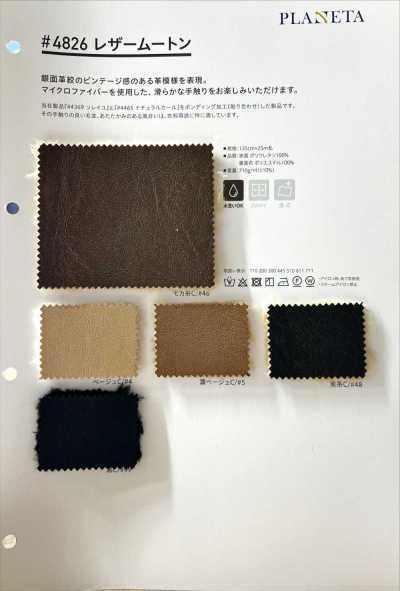
Depending on the layers combined, it is possible to design firmness, thickness, warmth retention, wind resistance, and water resistance. When a film is applied to the surface, it may create a glossy or leather-like appearance, and combining a knit or brushed material on the back can also adjust the hand feel.
On the other hand, bonding may make the textile stiffer or reduce breathability and stretch. If the layers have different stretch or shrinkage properties, wrinkles, warping, or delamination may occur after washing or over time.
- Performance can be adjusted by combining outer fabric, lining, film, and foam.
- The type of adhesive layer and processing conditions affect hand feel, durability, and sewing performance.
- Even when water resistance is required, water entry through the seams must be considered separately.
Main Applications
It is used for apparel that requires thickness, wind resistance, or weather resistance, such as outerwear, blousons, coats, pants, and sports/outdoor wear. Because it makes it easier to give fabric shape, it is also suitable for items with a three-dimensional silhouette.
Outside apparel, it is also used for bags, cases, hats, miscellaneous goods, and interior applications. Depending on the application, it is important to check surface abrasion resistance, back-side slipperiness, and stiffness as a core material.
Selection and Handling Notes
When selecting, check not only the materials of each layer to be bonded, but also thickness, fabric weight, stretch direction, breathability, and bonding strength according to the intended use. When the goal is waterproof breathability, check the film performance as well as seam finishing in the finished product.
During sewing, needle holes may become noticeable, and water may pass through them. Thick materials are more likely to experience skipped stitches or seam misalignment at stepped sections, so test the needle, thread, feed, and overlap at the seam allowance in advance.
Whether washing, dry cleaning, or ironing is allowed depends on the adhesive layer. High temperatures, strong friction, and prolonged hydrolysis may affect bonding performance, so perform wash tests and time-based inspections on the actual item, and set the care label accordingly.
Differences from Similar Terms
Waterproof breathability is a term that indicates performance that resists water while allowing water vapor to escape. Lamination is one method for achieving that performance, but not all laminated textiles are waterproof and breathable.
Water-repellent finishing is a treatment that makes the textile surface less likely to repel water, and its mechanism differs from lamination and bonding, which join layers together. Because water repellency can decrease with use and washing, it is evaluated separately from waterproofness.
Frequently Asked Questions
Are lamination and bonding the same?
Both terms relate to processing that integrates multiple layers, but lamination may be used to mean layering film and similar materials, while bonding may be used to mean adhering materials to each other. In practice, the terms overlap, so confirm the layer structure and bonding method.
Can bonded textile be machine washed at home?
Whether home washing is possible depends on the combination of outer fabric, lining, adhesive, and film. Because heat and friction may affect the adhesive layer, it is important to judge not only from the care label of the textile but also from wash tests on the product in its finished state.
Does laminated textile leak water through the seams?
Even when a waterproof film is laminated, sewing creates needle holes, so water may enter through the seams. For products where waterproof performance is important, consider additional waterproof treatment such as covering the seams with seam tape.