Selvedge Denim
Selvedge denim is denim fabric woven on old-style looms and has self-finished edges that prevent fraying on both sides.
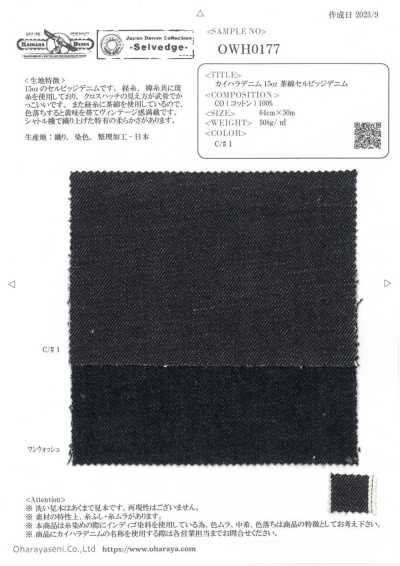
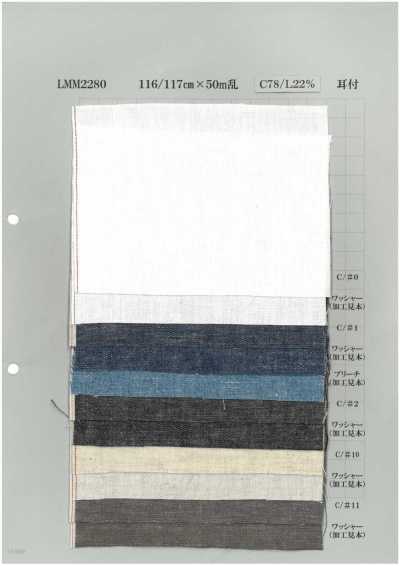
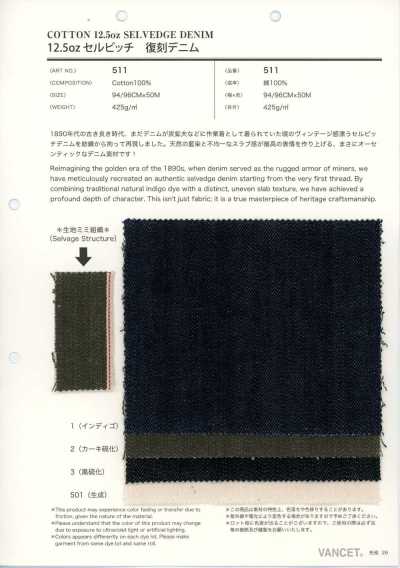
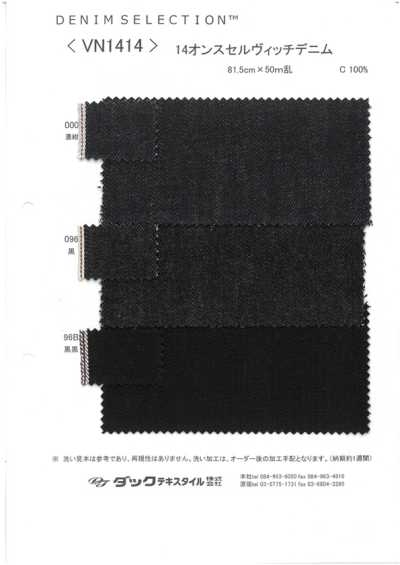
Contents6 sections
Definition and Overview
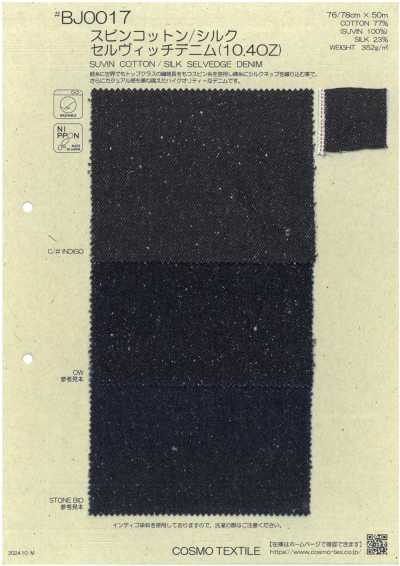
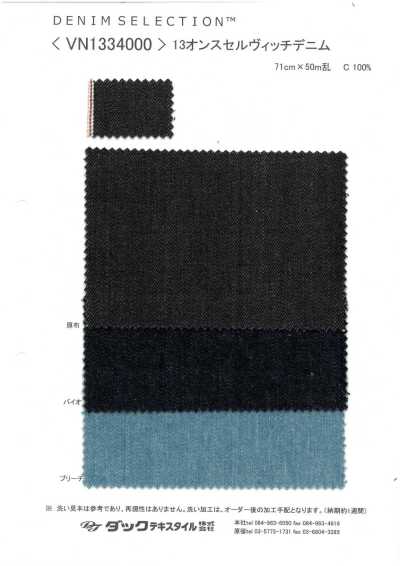
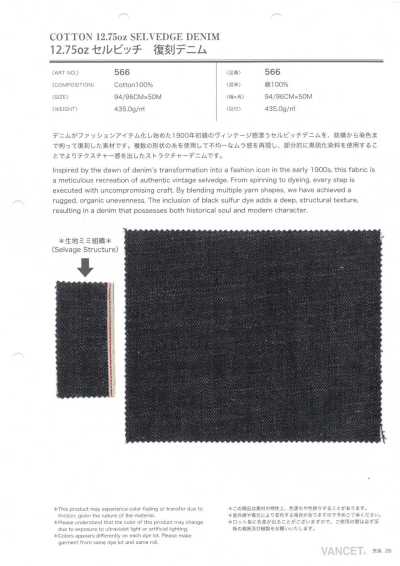
Selvedge denim is denim with a woven "selvedge" at both ends of the textile. The selvedge refers to the fray-resistant edge formed by folding back the warp yarns. Instead of finishing the cut edges with overlocking like ordinary denim, this selvedge is also used in designs where it is shown at the side seam and other areas.
Denim is usually a twill weave textile made with dyed warp yarns and white weft yarns. Selvedge is not a term that indicates the weave structure, raw material, or color name of denim; it is mainly a term that refers to the construction of the textile edge and the weaving method related to it.
Features
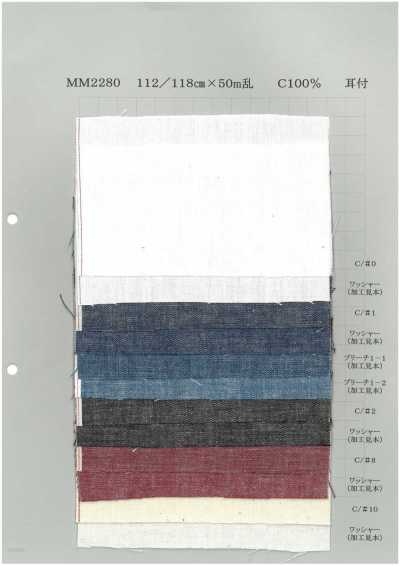
The selvedge may include colored yarn, and those with a red line are called red selvedge. However, the color of the selvedge is not limited to red, and red selvedge is not a strict synonym for all selvedge denim. The presence or absence of colored yarn and the color arrangement vary by textile.
With items made on old-style looms, the weaving width is relatively narrow, and weaving irregularities, slub in the yarn, and uneven texture may appear as part of the character. On the other hand, the texture, thickness, stiffness, and fading pattern vary greatly depending on the type of yarn, density, dyeing, and finishing.
In indigo-dyed products, the surface dye may wear away with use and washing, allowing changes in depth of color to be enjoyed. This is not a property determined only by being selvedge; it is also affected by the dyeing method, processing conditions, and wearing conditions.
Main Applications
It is used mainly for jeans, as well as denim jackets, coveralls, work pants, and skirts. Designs that show the selvedge at the side seam or coin pocket are an easy way to convey that the item is made from selvedge denim as a design feature.
The most suitable items vary depending on the fabric weight and processing. Heavier, firmer types are used for pants and outerwear, while relatively lighter types are also used for shirts and spring/summer items. During planning, check the thickness, stiffness, and load on moving parts for the intended application.
Selection and Handling Notes
When selecting, check not only for the presence of a selvedge but also the material blend, fabric weight, weave density, stretch, finish, and textile width. Selvedge denim may affect material consumption more than ordinary wide-width denim, so it is important to consider pattern layout and required quantities in advance.
With textiles that are not pre-shrunk or that retain shrinkage, dimensions may change after washing or water soaking. Before mass production, check shrinkage rate, skewing, and color transfer under the planned washing and drying conditions, and perform straightening, water soaking, or pattern adjustments as needed.
In sewing, adjust the needle, thread, and feeding conditions to suit the textile so that needle breakage or skipped stitches do not occur in areas where layers overlap, such as the waistband, side seams, and hems. For areas where the selvedge is shown on the outside, align the selvedge position and left-right appearance during cutting, and check the seam allowance design as well.
- For dark-colored items, take care to prevent color transfer due to friction, sweat, or moisture.
- Handle according to the care label for each product, such as washing separately.
- When performing washing processing, also check color transfer to accessories and differences in shrinkage in advance.
Differences from Similar Terms
Denim is a general term for textiles represented by twill weave, while selvedge denim refers to denim with a selvedge. Therefore, there is also denim that is not selvedge. Also, even selvedge denim does not necessarily have a red selvedge.
Red selvedge is a common term referring to a specification with red colored yarn in the selvedge. It may also be used to refer to the selvedge itself or as a customary term for selvedge denim. In commercial transactions, the selvedge color, width, and way it is shown are clearly specified in the specification sheet.
Knit denim is a knit fabric with a denim-like appearance, and its structure differs from selvedge denim, which is a woven textile. Its stretch and edge properties are also different, so when substituting it as a denim-like material, the pattern and sewing specifications should be reviewed.
FAQ
Are selvedge denim and red selvedge denim the same?
Selvedge denim with a selvedge containing red colored yarn is called red selvedge denim. However, because selvedges can also be other colors or solid colors besides red, not all selvedge denim is red selvedge. When ordering, confirm the selvedge color arrangement and how it will be shown.
Does selvedge denim shrink when washed?
The degree of shrinkage varies depending on whether it has been shrink-proofed, the finishing process, the material blend, and the washing and drying conditions. Since textiles that are close to unshrinked may change in size, it is important to perform a trial wash before productization and reflect the shrinkage rate in the pattern and specifications.
Where is the selvedge of selvedge denim used?
It is used in the facing of pants side seams, rolled hems, the inside of jacket plackets, pocket openings, and more. Even when the selvedge is not shown, it can be used in edge finishing, but the cutting layout must be designed with the selvedge width and textile width in mind.