Shoddy
Shoddy is the process of loosening clothing cutting waste and collected wool fabrics back into fibers for reuse, mainly as material for woolen yarn and textiles, or the regenerated fibers themselves.
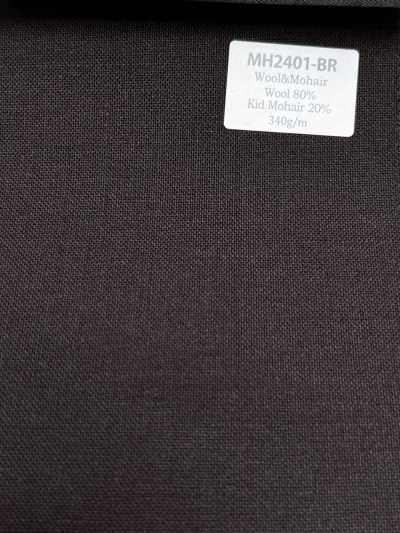
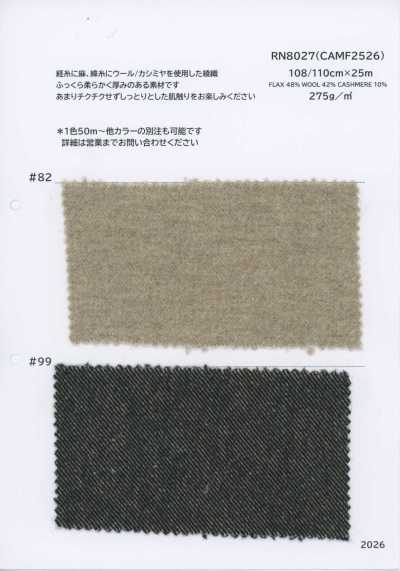
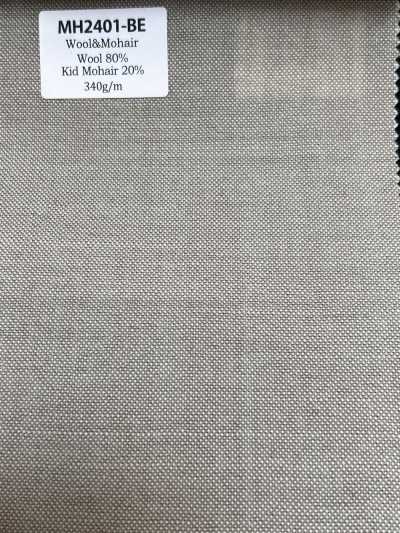
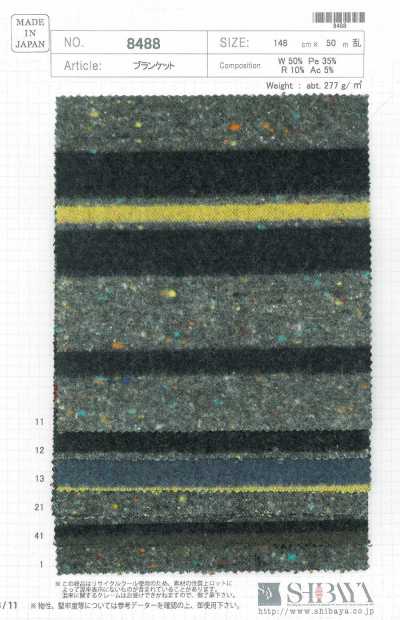
Contents6 sections
Definition and Overview
Shoddy is a method of mechanically tearing wool textile scraps, waste generated in spinning processes, collected clothing, and similar materials into fine fibers again for reuse. The resulting fibers are also called shoddy wool and are spun into woolen yarn and used in textiles.
Shoddy refers not only to the material name but also to the process of loosening raw materials and regenerating them. Because properties vary depending on the source material and blending ratio, the term shoddy alone does not allow a uniform judgment of fiber composition or performance.
Characteristics and Appearance
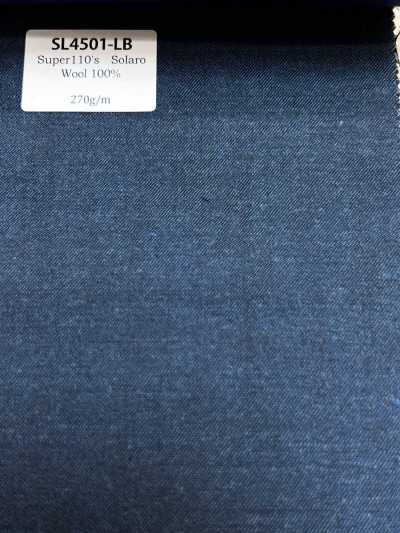
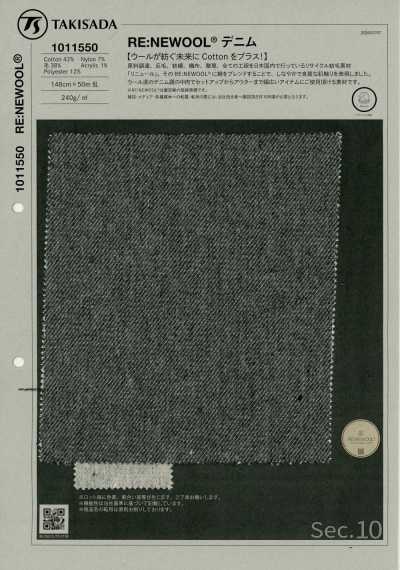
In shoddy, the fibers are loosened once, so the fiber length tends to become shorter, and the result is often a bulky, rustic texture different from the uniform, smooth surface of combed materials. Mixing different source colors and fibers may also create a heathered look or a neppy appearance.
Properties such as warmth retention and moisture absorption can still make some use of wool characteristics if wool is the main source material. However, strength, fuzzing, and pilling tendency vary depending on the ratio of regenerated fibers, fiber length, blended fibers, and the yarn and textile design.
Main Applications
Woolen materials made with shoddy are used for autumn and winter items that make use of warmth and texture, such as coats, jackets, pants, skirts, dresses, hats, and mufflers. They also pair well with textiles that have surface character, such as tweed-like or brushed materials.
Outside of apparel, they may also be used for blankets and miscellaneous goods. When deciding on an application, check not only that the material is regenerated, but also fabric weight, thickness, tensile strength, and resistance to abrasion and pilling against the performance required for the product.
How to Choose and Handling Precautions
Depending on the composition of the source material and the lot, shoddy materials may differ in color tone, neps, fuzz, and hand feel. Before full production, confirm the appearance with an actual sample, and if necessary, check lot-by-lot color differences and blending ratios. When combining with light colors, be careful about fuzz transfer caused by friction.
Shoddy textiles containing wool may shrink or felt when washed. Whether they can be machine washed at home depends on the material composition and finishing, so follow the care label and test results for the textile. Before cutting, let the fabric relax and confirm shrinkage before setting the required yardage and pattern.
In sewing, adjust the needle, thread, and feed conditions according to fuzz and thickness. On heavy or brushed textiles, seam allowances tend to become bulky, so consider seam allowance grading and edge finishing in advance. Check seam puckering and seam slippage with a test stitch.
- Check neps, color blending, and fuzzing with a textile swatch.
- Check shrinkage and appearance changes after washing or steaming.
- Perform a test stitch before sewing to check needle holes, seam slippage, and seam allowance thickness.
Differences from Similar Terms
Recycled wool is a broad term for materials that contain reused wool raw material. Shoddy is one of those reuse methods, and refers to the process of physically loosening fibers and regenerating them, or to those fibers themselves. Not all recycled wool is shoddy.
Regenerated fibers often refer to rayon and similar materials made by chemically dissolving natural raw materials and regenerating them into fibers, and the manufacturing method differs from shoddy. Woolen spinning is a spinning method that uses short fibers to make thick, bulky yarn, and shoddy may be used as a raw material for woolen yarn.
Frequently Asked Questions
Do shoddy and recycled wool mean the same thing?
They are sometimes used to mean the same thing, but strictly speaking they are different. Recycled wool refers broadly to materials containing reused wool raw material, while shoddy refers to the process of loosening scraps and collected fibers back into fibers, or to those fibers themselves. In labeling, check the raw material and blending ratio.
Can shoddy materials be washed at home?
It cannot be uniformly decided that shoddy materials cannot or can be home washed. The degree of shrinkage and appearance change varies depending on the wool content, blended materials, shrink-resistant finishing, and fabric structure. Always check the product care label, and during planning confirm dimensional changes with a washing test.
What should be noted when sewing shoddy textiles?
The tendency to fray, which comes from fuzz, thickness, and short fibers, differs by textile. Before cutting, let the fabric relax to stabilize dimensions, and use test stitching to check needle holes, seam slippage caused by feeding, and puckering. For areas where seam allowances become thick, consider edge finishing and seam allowance treatment in advance.