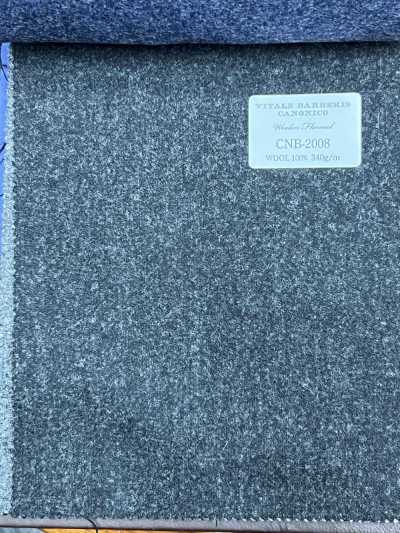
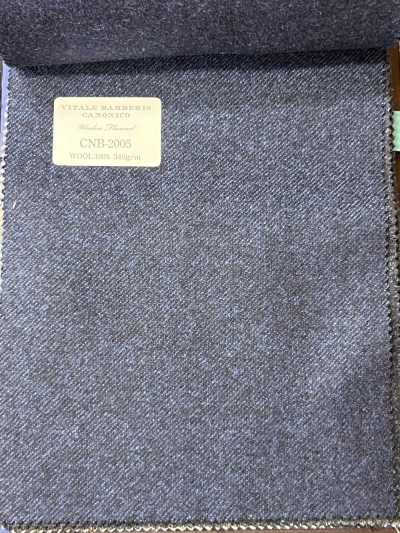
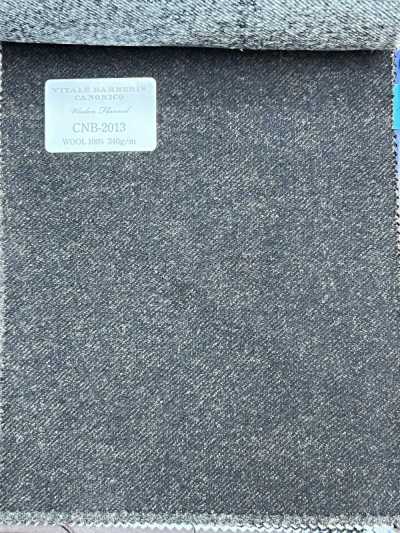
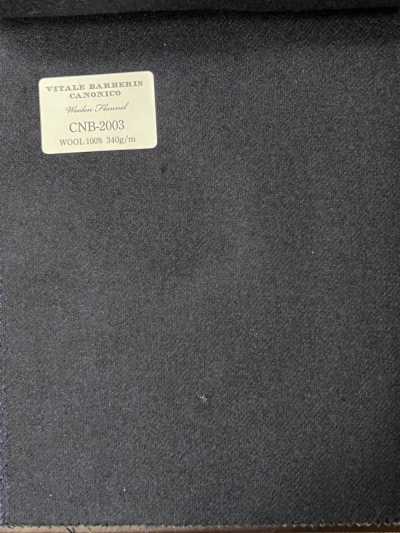
Woolen
Woolen refers to spun yarns and the use of those yarns, made by carding relatively short wool fibers and spinning them to trap air, resulting in a lofty, fuzzy texture.
Contents6 sections
Definition and Overview
Woolen refers to a method of spinning, or the yarn obtained from it, in which short fibers such as wool are loosened and blended mainly through the carding process and then spun without fully aligning the fiber direction in parallel. Because it easily traps air inside the yarn, it has a rustic, warm appearance.
This is a term for a yarn spinning method, not a fabric name. For that reason, it is classified differently from weaves such as plain weave and twill weave, and from fabric names such as tweed and flannel, and woolen yarn is used in fabrics with a variety of structures and finishes.
Features
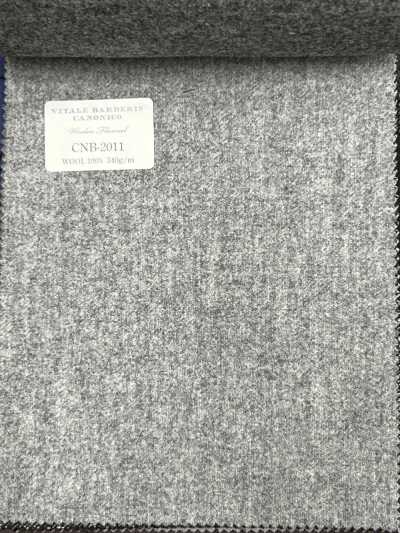
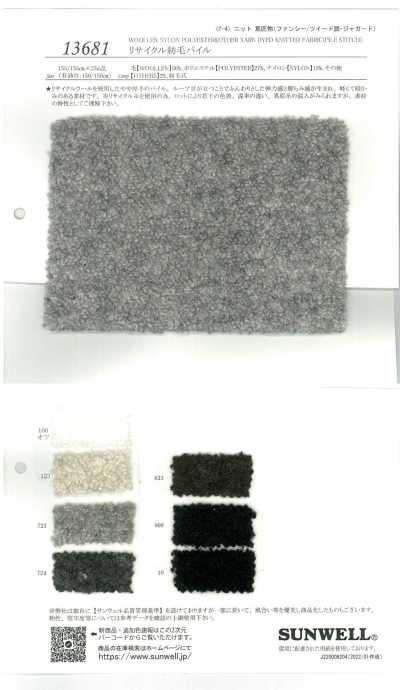
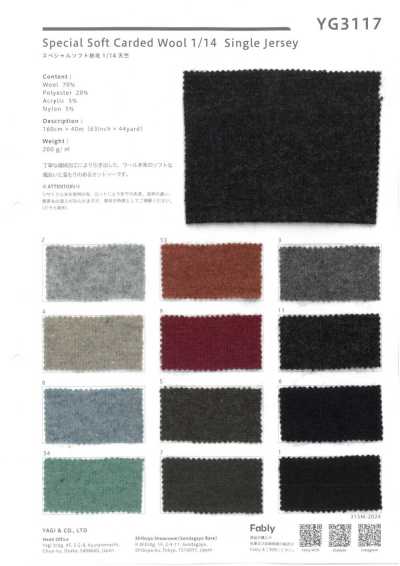
Woolen yarn tends to have fiber ends appear on the surface, so it is characterized by bulk, fuzz, and a soft brushed feel. Because of the air layer, it readily provides warmth and gives a matte, warm impression in appearance.
On the other hand, because the fibers are short and tend to fuzz, it is generally harder to achieve the surface smoothness, luster, and uniformity at finer counts than with worsted yarn. Pilling and fuzzing caused by friction vary depending on the raw material, twist, structure, and finish.
- Bulkiness: a property that makes it easy to give yarn and fabric thickness and fullness.
- Warmth retention: the air contained in the yarn and fabric makes heat less likely to escape.
- Natural appearance: it pairs well with uneven looks such as neps and heathered effects.
Main Applications
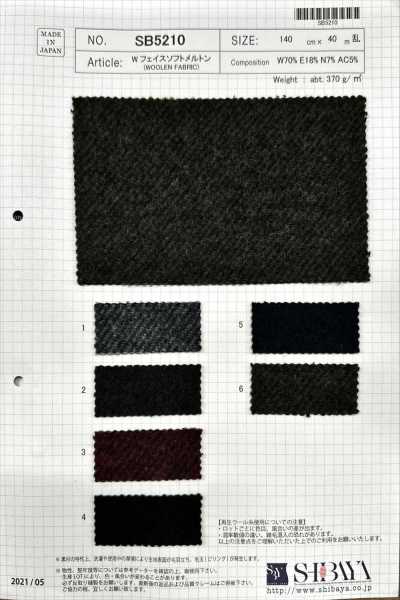
Fabrics made with woolen yarn are used for autumn and winter coats, jackets, suits, pants, skirts, and dresses. By adjusting thickness and the degree of brushing, they become materials with different appearances suited to applications such as tweed, melton, and flannel.
When light weight is a priority, check the fabric weight, structure, and blend ratio. While woolen readily provides warmth, in heavy fabrics the product weight and seam allowance thickness increase, so it is important to confirm through prototyping whether it suits the design and tailoring.
Selection and Handling Notes
When selecting, in addition to fuzziness, thickness, fabric weight, firmness, and drape, check pilling, friction fastness, and shrinkage rate. For designs that emphasize surface texture, also anticipate pilling and fuzzing in areas that are easily rubbed during wear, such as the sides, underarms, and places where bags make contact.
Wool-based woolen fabrics may shrink or felt due to the effects of moisture, heat, and friction. Washing methods differ by fabric, so follow the care label and prewashing tests. Before cutting, if necessary, scouring in hot water should be performed to confirm dimensional changes during mass production.
In sewing, thick fabrics and brushed fabrics tend to become bulky where seam allowances overlap, so it is necessary to consider seam finishing and pressing conditions. For fabrics with nap or a brushed direction, align the cutting direction and correct any grain distortion before cutting.
Difference from Worsted
Worsted is a method in which longer fibers are sorted and aligned in parallel through a combing process, then spun into a relatively smooth and uniform yarn. Woolen uses shorter fibers as well, and because the fiber direction is irregular, it differs in that it more easily creates fullness and fuzz.
In general, worsted yarn is suited to a clear, neat surface, while woolen yarn is suited to a soft, rustic surface. However, the actual texture is also influenced by the raw material, twist, woven or knitted structure, and post-processing such as fulling and brushing, so the material should be checked in person rather than judged by name alone.
Frequently Asked Questions
How do you choose between woolen and worsted?
If you want a warm appearance that makes use of fullness, fuzz, and warmth retention, woolen is suitable. If you prioritize smoothness, luster, and a sharp tailored look, worsted is generally chosen. For the final decision, also check thickness and firmness with a fabric swatch.
Can woolen fabric be washed at home?
You cannot say uniformly that woolen fabric cannot be washed, or that it can be washed. The suitable care varies depending on the wool blend ratio, structure, whether it is fulled, and any post-processing. The product care label is the basic reference, and during planning, shrinkage and appearance changes should be checked with washing tests.
What should you pay attention to when sewing woolen fabric?
With thick fabrics, attention is needed for ridges and press marks caused by overlapping seam allowances. If the fabric has nap or a pile direction, align the direction for all pieces. Before cutting, straighten the grain and adjust the needle, thread, and feeding conditions to the fabric through test stitching.