Suede
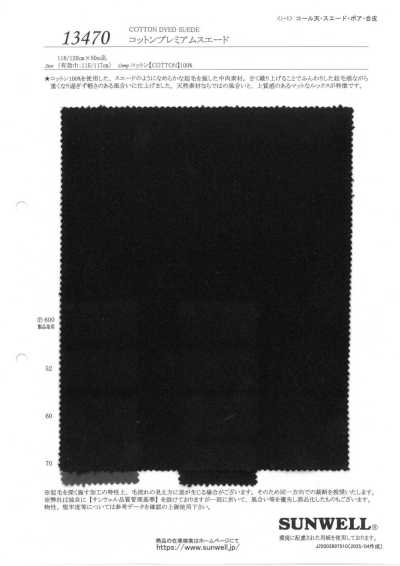
Suede is a material made primarily by finely raising the back side of leather to create a soft, slightly moist feel and a matte appearance from its short nap.
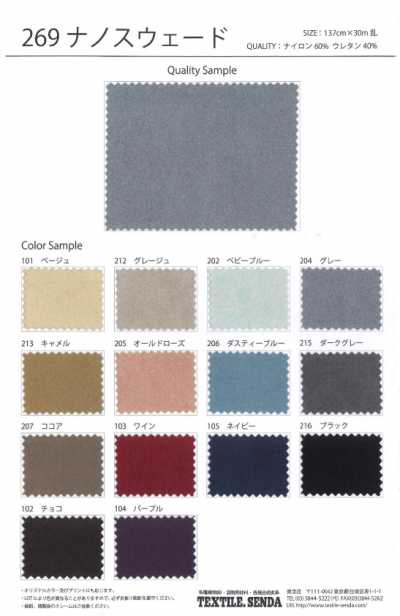
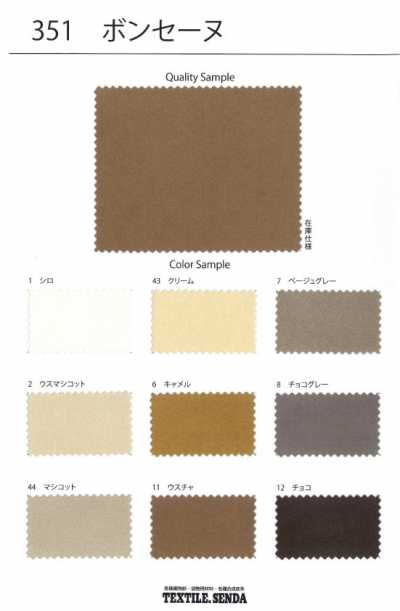
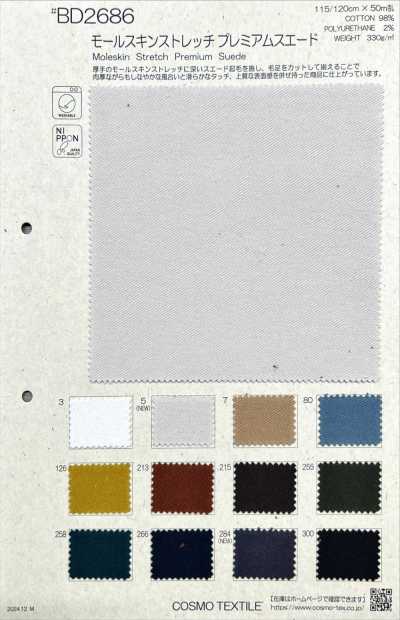
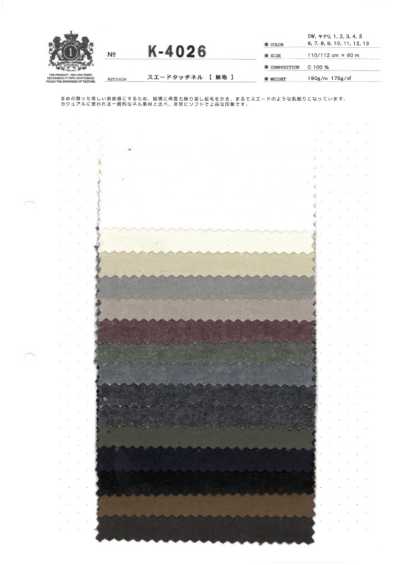
Contents6 sections
Definition and Overview
Suede originally refers to leather made by buffing the reverse side of tanned animal hide to raise a fine nap. It is not a structural name for woven or knitted fabrics, but a name that describes a surface appearance created by short pile.
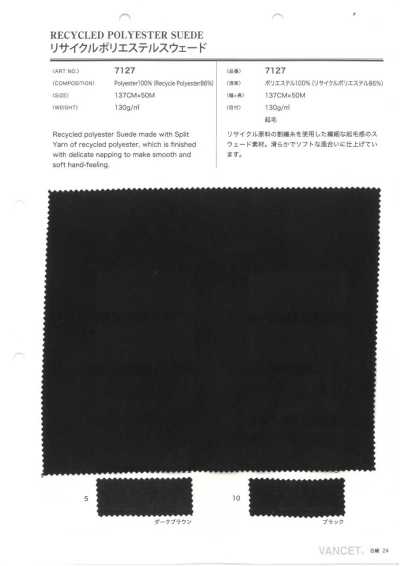
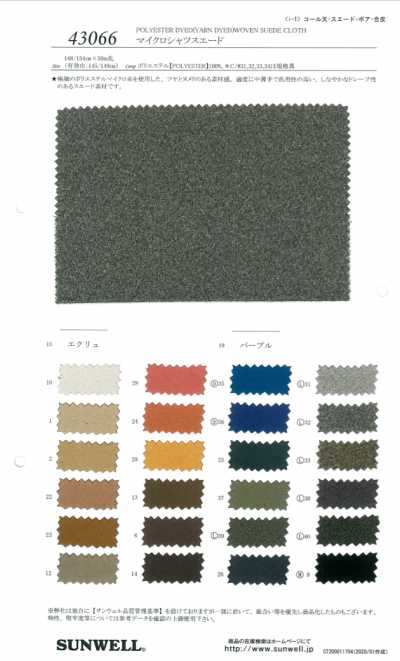
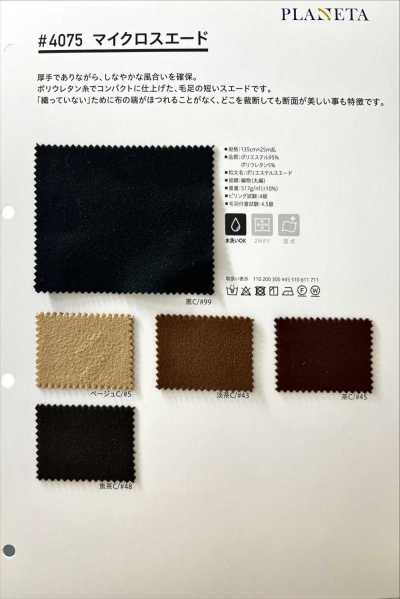
In apparel, fabrics and knits that express a suede-like texture using polyester and other materials are also sold as “suede-like” materials. Because natural suede and suede-like textiles differ in material, performance, and care methods, check the labeling details.
Features
The surface has a fine nap, and changes in light and pile direction may create light and dark variations. It is characterized by a subdued luster and a soft, warm feel.
Natural suede is a material in which differences in appearance can easily occur depending on the area and the individual hide, and it is also easily affected by moisture and oil. By contrast, suede-like textiles vary greatly in stretch, washability, thickness, and drape depending on the material composition and processing.
- Depending on the direction of the pile, it may look like there is a color difference.
- The brushed surface may flatten through friction, causing fading or shine.
- Aligning the pile direction during cutting makes it easier to keep the product appearance consistent.
Main Applications
Natural suede is used for jackets, coats, skirts, pants, shoes, bags, and more. It is often selected for fall and winter projects that make use of its brushed texture, but depending on the thickness and finish, it can also be used for accessories year-round.
Suede-like textiles are used for shirts, blouses, dresses, skirts, pants, jackets, stage costumes, and more. Some are lightweight or stretchy, and they may be easier to use for specifications and sewing that are difficult to achieve with leather.
Selection and Handling Notes
When selecting, distinguish between natural leather and suede-like textile, and check the composition, thickness, fabric weight, elasticity, backing condition, and care label against the specifications. For natural leather, it is important to inspect the entire piece before cutting, taking into account color variation and differences in appearance.
Natural suede may become stiff, deform, shrink, or change color when washed with water, so in general follow the care label and consider professional cleaning if necessary. Suede-like textiles also vary in shrinkage and texture changes after washing depending on the material and processing, so conduct testing in advance.
In sewing, unify the pile direction on the pattern and consider cutting all pieces in one direction. The brushed surface may show feeding shifts or presser-foot marks, and needle holes may also stand out, so check the needle, thread, presser-foot pressure, and stitch conditions with a test stitch.
Differences from Similar Terms
Velour and velvet are materials made by cutting the pile of woven or knitted fabrics to create a raised nap. Suede originally refers to brushed leather, and the structure is different. However, suede-like textiles may look similar.
Artificial leather is a general term for materials that reproduce the structure and texture of leather by impregnating or coating a base fabric with resin. There are also suede-like artificial leathers, but “suede-like” may indicate surface appearance and does not necessarily define the material category.
Frequently Asked Questions
Are suede and suede-like textiles the same?
No, they are not. Suede originally refers to brushed natural leather. Suede-like textiles refer to materials made from fibers or artificial leather that express a similar appearance and feel. Because washability, stretch, thickness, and the way color differences appear vary, check the composition and care instructions.
Can suede be washed at home?
Natural suede may stiffen, shrink, lose its shape, or change color when washed with water, so avoid washing it on your own and follow the product care label. Some suede-like textiles can be washed, but always check the instructions and conduct a prior test.
What should be noted when cutting and sewing suede-like textiles?
To keep the appearance of color differences caused by the pile consistent, in principle cut all parts in the same direction. Also, the brushed surface may show feeding misalignment, presser marks, or needle holes. Before mass production, make a sample including interlining and determine the sewing conditions.