Velour
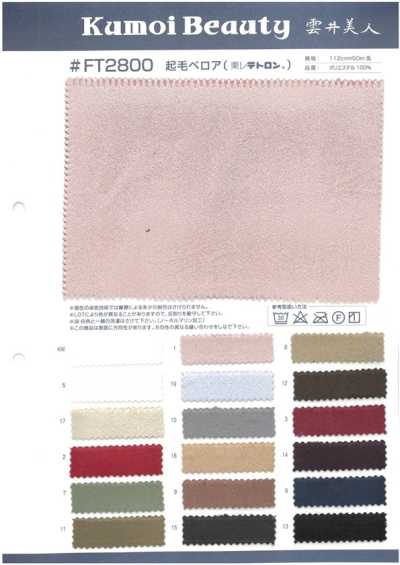
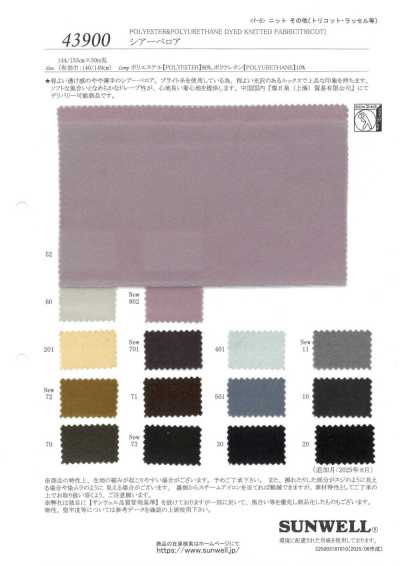
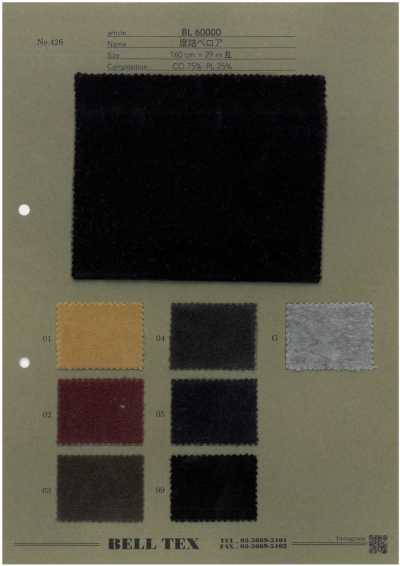
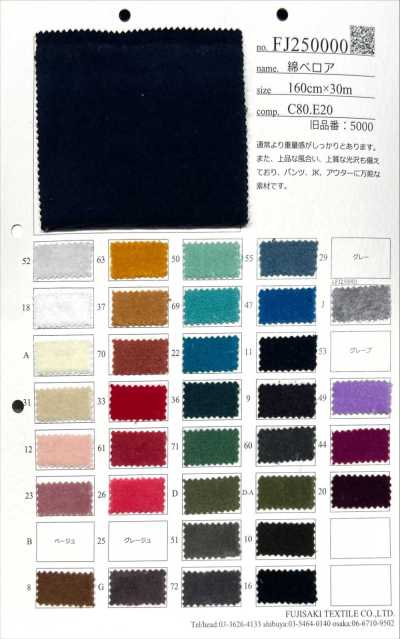
Velour is a textile with short, dense nap or pile raised on the surface of a knit or woven fabric, giving it a smooth feel and a deep luster created by the pile direction.
Contents6 sections
Definition and Overview
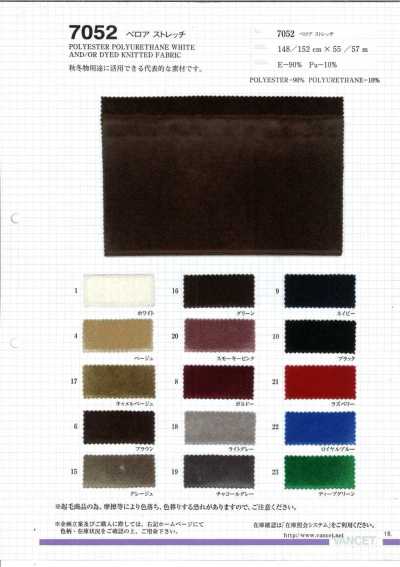
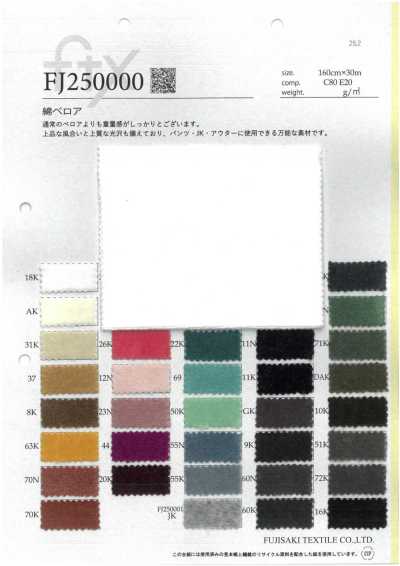
Velour is a textile that has a soft hand and a distinctive sheen created by short, dense nap or pile on the surface. It is often made by brushing and shearing knit fabric, and some types have stretch. Materials vary depending on the application, including cotton, polyester, and rayon.
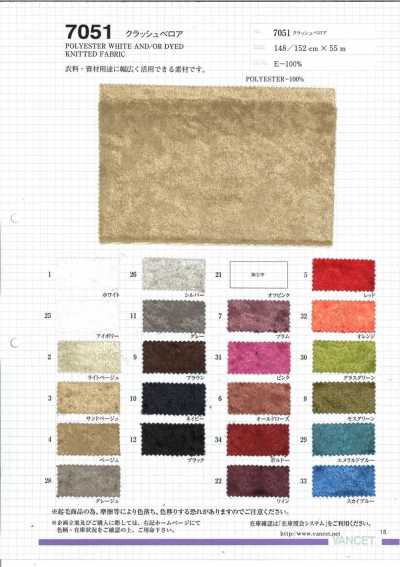
Because the reflection of light changes depending on the direction of the nap, light and dark tones appear depending on the viewing angle and cutting direction. This look is part of what gives velour its character, but it can also cause color tone differences to appear between the left and right sides of a product or between parts.
Texture and Function
The surface is moist and smooth, and thicker types are a textile that more easily provides warmth. Because the nap holds air, it tends to have an autumn-winter feel, while thin velour with a flowing drape is also used for year-round dresses and tops.
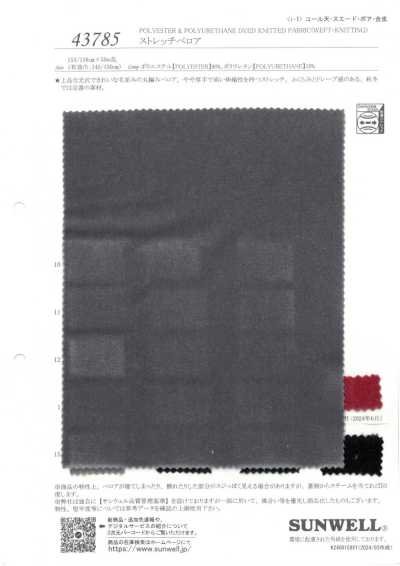
Knitted velour generally has stretch and is suitable for items that follow the body. However, stretch, moisture absorption, durability, and sheen vary greatly depending on the composition, knit structure, and pile length and density.
Main Applications
It is used for cut-and-sew items, dresses, skirts, pants, jackets, loungewear, and stage costumes. In addition to being used for formal and dress applications by taking advantage of its rich sheen, stretchy types are also suitable for dancewear and costumes that require a close fit.
Outside of apparel, it is sometimes used for interior applications such as cushions and upholstery. When choosing an application, check resistance to nap shedding and abrasion, the required stretch, and whether home washing is possible.
- In autumn-winter clothing, it can make good use of warmth and a rich feel.
- Thin types are suitable for dresses and tops that use drape.
- For costume applications, check in advance how the sheen and nap appear under lighting.
Selection and Handling Notes
When choosing the textile, check the nap direction, pile density, thickness, stretch, and the structure of the back side. If the fabric is not cut with the nap aligned in one direction, the same color may look different from piece to piece. Before cutting, spread out the textile and note the direction on the pattern for easier management.
Knitted velour tends to curl at the cut edges, and during sewing it may stretch or the pile may be caught in the seam. If necessary, use stay tape and do test stitching while controlling feed-related stretching. Be careful of crushed nap and fading caused by seams and pressing with an iron.
The possibility of shrinkage, disturbed nap, and color transfer during washing varies depending on the composition and processing. Always follow the care label and the handling conditions for each textile, and before mass production perform washing and sewing tests to check shrinkage rate, changes in appearance, and seam condition.
Differences from Similar Terms
Velvet generally refers to a woven pile fabric, and is often used for fabrics with high density and a more luxurious, elegant sheen. In contrast, velour often refers specifically to knitted pile fabrics or brushed fabrics, and may have more stretch than velvet. However, usage of the terms can overlap depending on the sales category and the textile.
Corduroy is also a type of pile fabric, but it is characterized by pronounced ridges that leave the pile in a ribbed pattern. Velour differs in that the entire surface appears to have a relatively even nap. Pile is a broader term that refers to structures with loops or nap on the surface.
Frequently Asked Questions
What is the difference between velour and velvet?
Velvet often refers to a woven pile fabric and is characterized by a dense, luxurious sheen. Velour often refers to knitted pile fabrics or brushed fabrics, and some types have stretch. However, the usage of the names can overlap depending on the textile sales category and common practice, so it is important to check the structure and specifications.
What should I be careful about when cutting and sewing velour?
Align the nap direction for all pieces and record the direction when cutting. If directions are mixed, the reflection of light changes and may look like a color difference. Knitted velour stretches easily, so check feed-related stretching with test stitching and use stay tape or suitable presser feet if necessary.
Can velour be washed at home?
Whether home washing is possible depends on the fiber composition, the pile construction, and the dyeing and finishing processes. Even washable items may have disturbed nap, shrinkage, or color transfer due to friction or strong spin drying. Always follow the care label on the product or textile, and in the planning stage check appearance changes through washing tests.