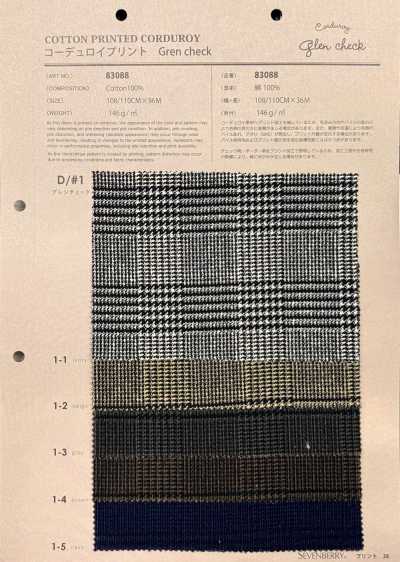
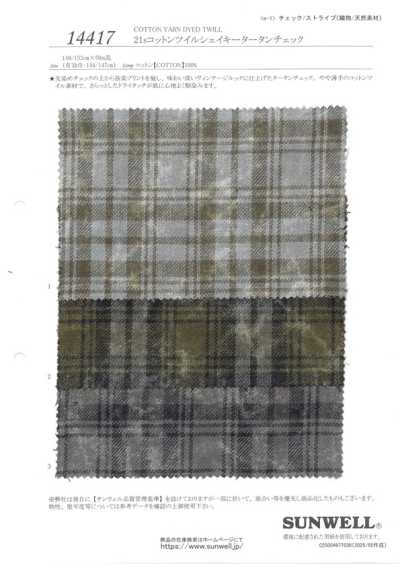
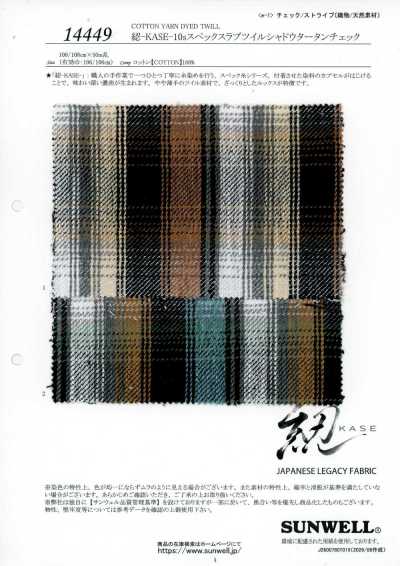
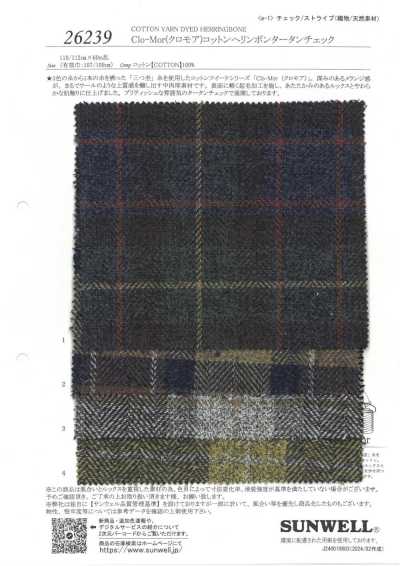
Tartan Check
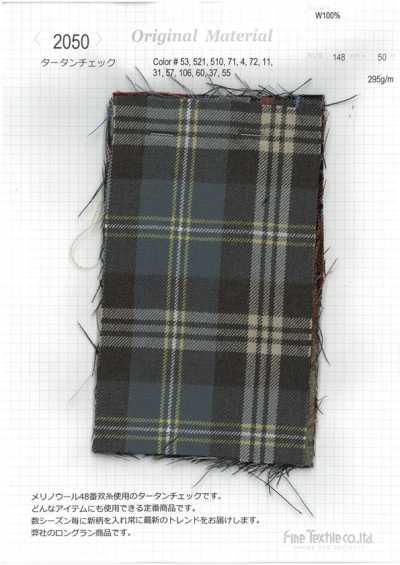
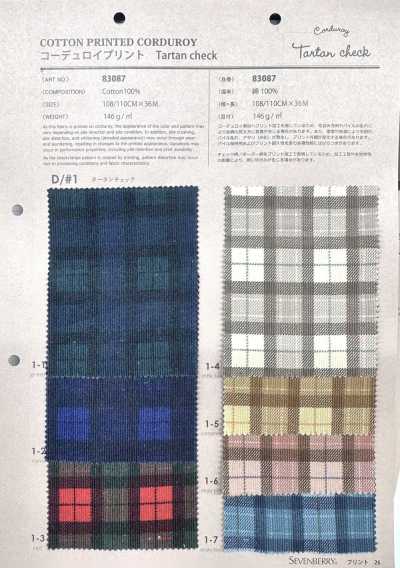
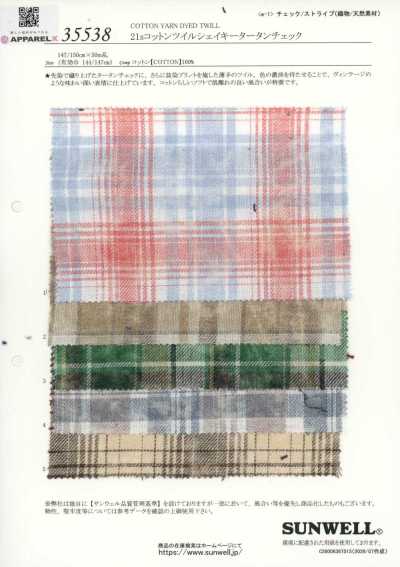
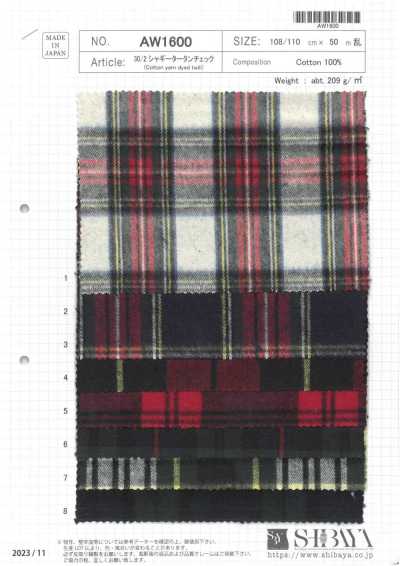
Tartan check is a checkered pattern made by intersecting vertical and horizontal bands of multiple colored threads in a fixed repeating unit.
Contents6 sections
Definition and Overview
Tartan check is a plaid pattern made by arranging stripes of different colors and thicknesses in warp and weft yarns and forming the design through their intersections. Because the same or corresponding color bands are repeated vertically and horizontally, it creates a look with regularity and depth.
Originally, it often refers to a pattern woven with yarn-dyed threads, but in apparel it is also used to describe printed versions. In product planning, it is important to distinguish between the pattern expression method and the fabric structure.
Pattern Structure and Naming
Tartan is a pattern with repeating units of color, line width, and arrangement that make up the plaid. This repetition is called the pattern repeat, and when the vertical and horizontal color arrangements correspond, a mixed-color look appears at the intersections.
Some traditional tartans associated with Scotland have their own names and origins. However, in general fabric distribution, tartan-style multicolor plaids may be called tartan check even if they are not limited to traditional registered patterns.
- Large plaids with strong color presence are suited to items that serve as the main focus.
- Small plaids and low-saturation color combinations are often easier to use for shirt fabrics and traditional-style items.
- Deep color combinations such as red, green, and navy tend to give an autumn-winter impression, while bright combinations and lightweight fabrics are also used for spring and summer.
Main Uses and Fabric Selection
It is used for shirts, blouses, skirts, dresses, jackets, coats, scarves, and more. Even with the same pattern, the suitable item and wearing season vary depending on the material, thickness, whether it is brushed, and whether it is woven or knit.
For shirts and blouses, relatively light plain weave or twill yarn-dyed fabrics are chosen, while flannel, tweed, and brushed materials are used for autumn-winter shirts and outerwear. The size of the pattern is selected based on the balance with the product dimensions, seam change positions, and whether pockets are included.
Cutting and Sewing Notes
Because tartan check shows misalignment easily, check the pattern repeat, grainline, and center position of the pattern before cutting. Decide as part of the specifications where the pattern will be matched, such as the left and right front pieces, side seams, center back, collar, yoke, and pockets.
When matching the pattern, the layout restrictions increase even for the same parts, so more fabric may be needed than with solid fabrics. For fabrics with an up-down direction or one-way pattern, one-way cutting may be required, so confirm whether reverse use is possible with the fabric sample.
Yarn-dyed plaids may appear slightly off from a right angle due to weaving density and finishing processes. It is reassuring to place the pattern after straightening the fabric and, before mass production, confirm the pattern position and appearance with a sewing sample.
Differences from Similar Terms
Check pattern is a general term for all plaid patterns formed by intersecting vertical and horizontal lines. Tartan check refers specifically to plaids made with repeating arrangements of multiple color bands.
Gingham is generally a relatively simple plaid made by combining yarns of the same width, such as colored yarn and white yarn. Glen check is a pattern made by combining small plaids. Madras check is often distinguished as a bright multicolor plaid with a light, lively impression.
Frequently Asked Questions
What is the difference between tartan check and check pattern?
Check pattern is a broad term for plaid patterns in general. Tartan check refers to plaids made by repeating multiple color bands vertically and horizontally. However, in distribution, multicolor plaids other than traditional tartans may also be called tartan check.
Does tartan check require more fabric than a solid fabric?
For specifications that match the pattern at the side seams, center front, pockets, collar, and so on, you need to allow for extra fabric compared with a solid fabric. The required amount varies depending on the pattern repeat, product size range, number of parts, and pattern direction, so confirm it with marking.
Can tartan check be used in spring and summer?