Corduroy
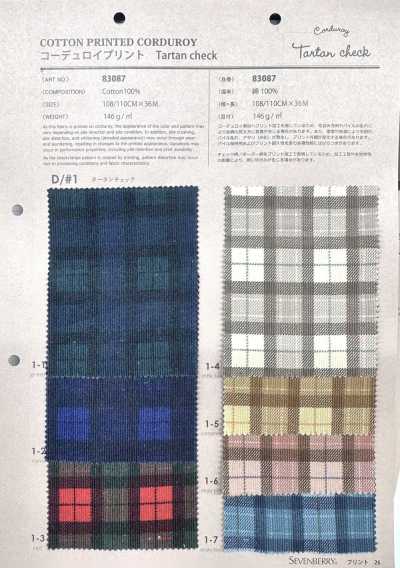
Corduroy is a woven fabric made by weaving pile yarns into the ground weave and cutting the pile to create ribbed nap. The thickness of the ribs changes its appearance, thickness, and applications.
Contents6 sections
Definition and Overview
Corduroy is a pile textile characterized by ribs running in the warp direction. The woven pile is cut open and the surface nap is brushed to create the ribs. In Japan, it is also called corduroy and is used as a representative fabric for fall and winter apparel.
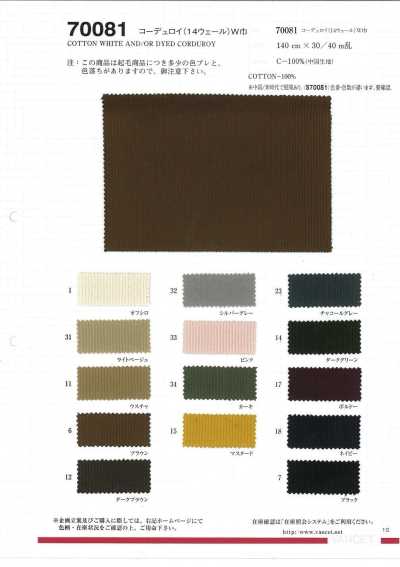
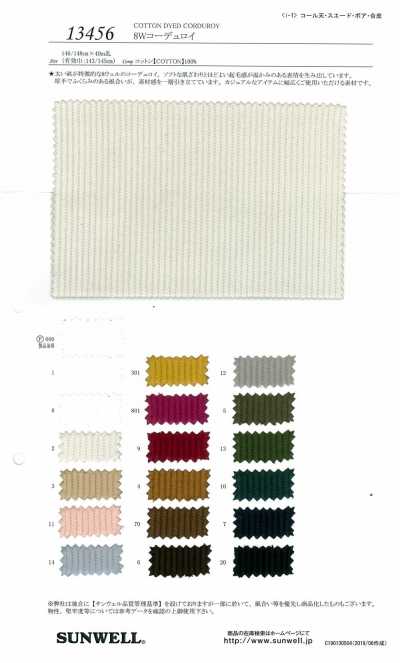
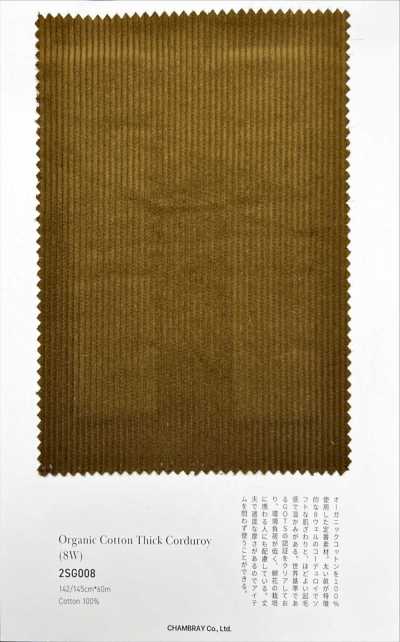
Rib density is generally expressed in "wales" and indicates the number of ribs within a given length. Fewer wales create wide ribs, while more wales create narrow ribs; wider ribs tend to have a more distinct look and a more casual impression.
Features
Its surface nap and ribbed shadows give it a soft, warm appearance. Because the color depth and sheen look different depending on the direction of the nap, it is important to align the nap direction of each pattern piece when cutting.
In addition to cotton-based versions, there are also blends with polyester and versions with added stretch. Depending on the material composition, rib width, fabric weight, and finishing, it ranges from thin and supple to thick and substantial.
- Wide-rib corduroy tends to have a strong raised look and is suited to outerwear and pants.
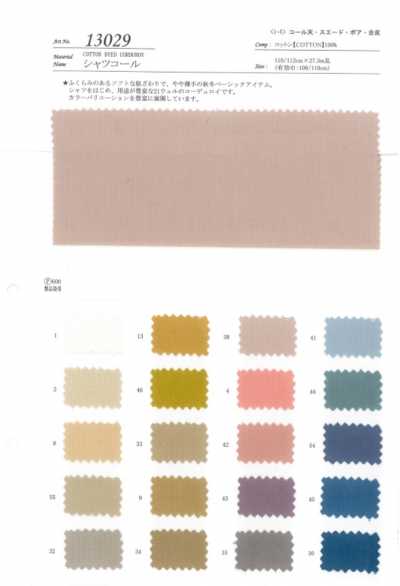
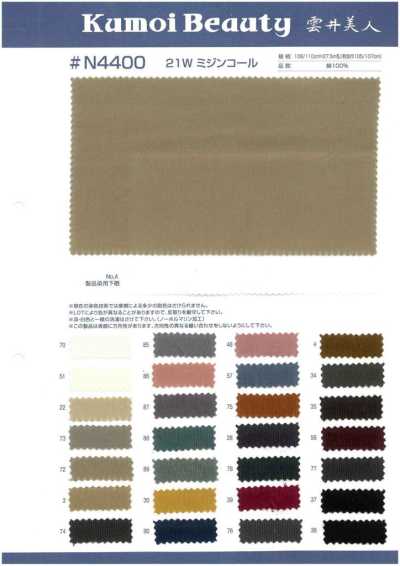
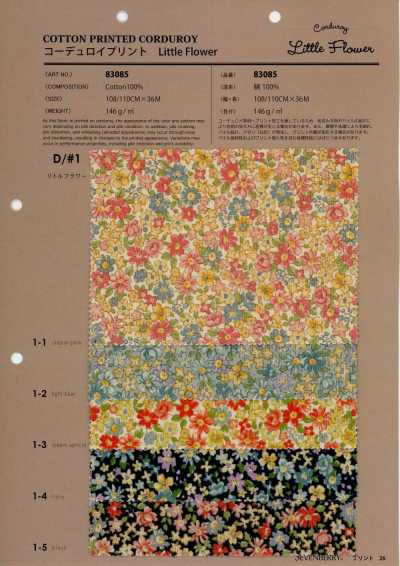
- Narrow-rib corduroy has a relatively delicate appearance and is also used for shirts and dresses.
- The pile section is prone to friction, and the nap may become disordered through wear or washing.
Main Applications
It is used for pants, jackets, blousons, skirts, dresses, and more. This textile makes good use of the presence of its ribs and is often chosen for casual wear, work-style items, and children's clothing.
Thicker versions are used for fall and winter outerwear and bottoms, while narrow-rib and lightweight versions are used for shirts, blouses, and light apparel. In addition to clothing, it is also used for miscellaneous goods and interior applications that take advantage of its textured surface, such as bags and cushion covers.
Selection and Handling Notes
When planning, check not only the rib width but also the material composition, fabric weight, stretch, nap, and changes after washing. Determine the required performance according to the item, such as durability and ease of movement for bottoms, or lightness and suppleness for shirts.
During cutting, place all pattern pieces in the same nap direction. If directions are mixed, the finished item may appear to have different colors. Because the pile can make cutting edges shift easily, care is also needed with pattern matching and fixing before sewing.
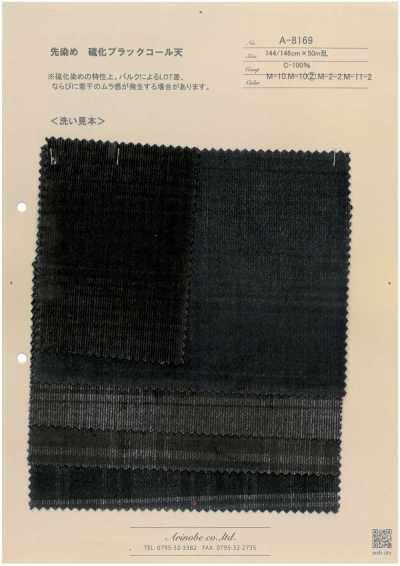
Wash according to the product's care label. Dark-colored items may transfer color through friction or washing, so precautions such as washing separately are necessary. To prevent the nap from flattening or becoming disordered, wash inside out and lightly smooth the surface along the nap direction after drying.
Differences from Similar Terms
Velvet is also a woven fabric with cut pile, but the entire surface is generally covered with an even nap and has no ribs. Corduroy has continuous ribs, so it gives a more casual and raised appearance.
Velour often refers mainly to knitted pile textiles, and its structure differs from corduroy, which is a woven fabric. Brushed textile is a broader term that includes finishing that raises fibers on the surface, and its manufacturing method differs from corduroy, which creates ribs by cutting the pile.
Frequently Asked Questions
How do you choose between wide-rib and narrow-rib corduroy?
Wide-rib corduroy has a stronger raised texture and is suited to pants, jackets, and outerwear where thickness and a casual feel are desired. Narrow-rib corduroy looks cleaner and is also easy to use for shirts and dresses. Ultimately, check the fabric weight, material composition, and drape as well.
Do the cutting directions need to be aligned for corduroy?
Yes. The direction of the nap changes the way light reflects, which affects how the color appears. All pieces, including the body, sleeves, collar, and pockets, should be arranged in the same direction, and yardage should be estimated on the assumption of one-way cutting.
Does corduroy shrink when washed?
The degree of shrinkage varies depending on the fiber type, density, and finishing process. Fabrics with a high cotton content may change especially, so before mass production, check the shrinkage rate and nap changes with a washing test. After production, always handle the item according to its care label.