Waist Interlining
Waist interlining is a interfacing inserted into the waistbelt area of pants and skirts to maintain shape, suppress stretching and wrinkling, and improve stability when worn.
Contents6 sections
Definition and Overview
Waist interlining is an interlining used in the waistband of pants and skirts, or around the waist in a facing construction. It provides the waistband with the necessary firmness and stability, and helps prevent stretching, twisting, and creasing caused by repeated wear and opening and closing.
Unlike fusible interlining and woven interlining, which refer to interlining in general, waist interlining is a name that primarily indicates the area of use and purpose. Therefore, depending on the product specifications, suitable materials are selected from woven fabric, nonwoven fabric, fusible type, or sew-in type.
Areas of Use and Role
The main areas of use are the waistbands of pants, skirts, and shorts. The areas near the hook and eye closure, buttons, and zipper are especially subject to stress, and waist interlining helps shape the outline of the waistband and improves the stability of the fastening position.
The firmness of waist interlining affects the appearance around the waist and the wearing feel. Appropriate waist interlining prevents the waistband from rolling or rippling, but if it is too firm, it can cause rubbing or pressure against the body, so a balance suited to the garment type and design is necessary.
Materials and Types
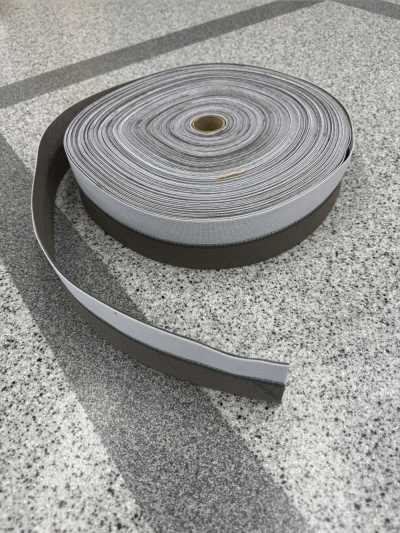
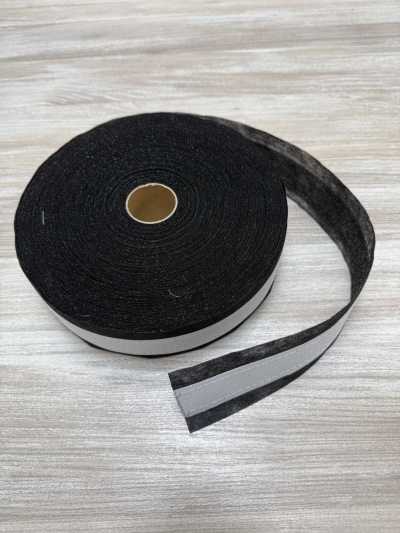
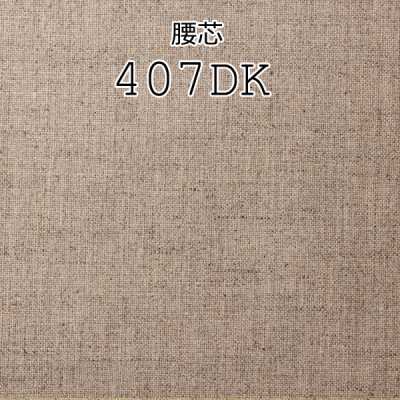
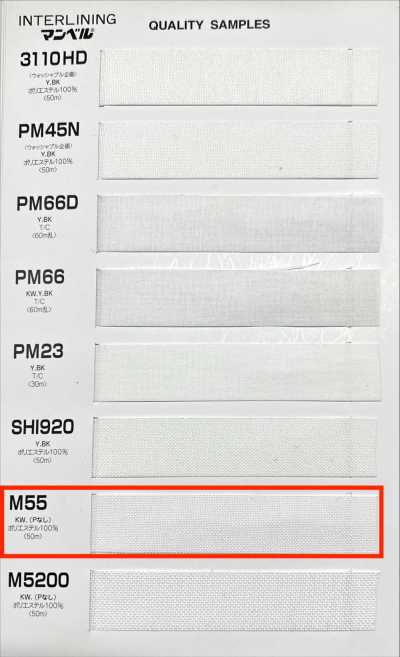
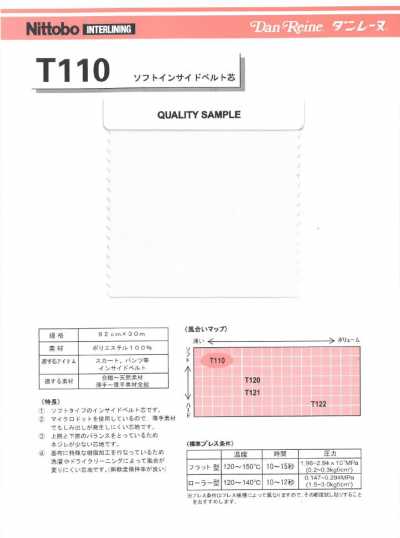
Waist interlining includes woven fabric types and nonwoven fabric types made from cotton, polyester, and other materials, as well as fusible types coated with adhesive and non-fusible types that are sewn in. Woven fabric types can be used with the grain direction in mind, while nonwoven fabric types have relatively little difference in properties depending on the cutting direction.
In addition to products cut into strips for use, some are supplied in widths matched to the intended application. For stretch outer fabrics, interlining with suitable followability is used, and where stretch needs to be controlled, a choice that provides stability in the required direction is made.
- Fusible type: used by bonding it to the outer fabric or a lining part with heat and pressure.
- Sew-in type: fixed by sewing, and also used when it is desirable to avoid the effect of bonding on the outer fabric.
- Woven fabric type: can be designed by using differences in firmness and stretch by direction.
- Nonwoven fabric type: makes it easier to achieve a uniform appearance, and is used according to the specification.
How to Choose and Precautions for Bonding and Sewing
It is important that only the waist interlining does not stand out against the outer fabric in terms of thickness, fabric weight, stretch, and texture. For thin or softly draping materials, consider a thin and soft type; for firm outer fabrics such as denim, consider a type that can support the shape. In prototypes, check the waistband return, overlapping seam allowances, and effect on the surface.
For fusible types, confirm the bonding conditions for each combination of outer fabric and interlining. If the temperature, time, or pressure is inappropriate, peeling, bubbling, or adhesive bleed-through may occur. Before mass production, test it on the actual fabric and also check the condition after washing and pressing.
In sewing, match the grain direction and stretch direction of the interlining to the specification, and prevent mistakes during cutting. With thick interlining, seam allowance overlap can easily create steps, so check the finish at the waistband edge, including seam allowance trimming, pressing open, and the pressing process.
Differences from Similar Terms
Fusible interlining is a general term for interlining used with heat bonding. Waist interlining refers to interlining used around the waist, and both terms are often used together, as in fusible waist interlining. Woven interlining and nonwoven interlining are also classifications based on material structure, and are used as terms indicating the structure of waist interlining.
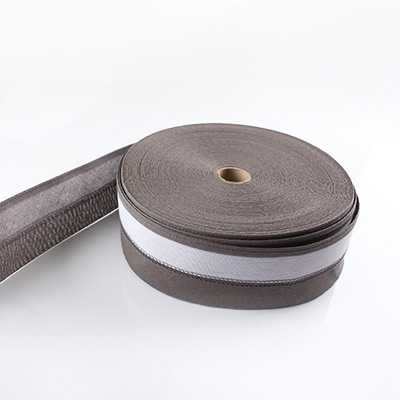
Waistband interlining is a tape-like accessory attached mainly to the inside of the waistband of pants, and is used to prevent shirts from coming untucked and for finishing the inside waist area. Waist interlining is the interlining that supports the shape of the waistband, whereas waistband interlining is a component and finishing material seen on the inside, so their roles differ.
Frequently Asked Questions
Can waist interlining be replaced with fusible interlining?
Fusible interlining is sometimes used as waist interlining, but not all fusible interlining is suitable. Consider the waistband width, the stretch of the outer fabric, the required firmness, and washing conditions, and choose a material that provides the shape retention needed around the waist. It is important to carry out bonding tests and sewing prototypes on the actual fabric.
What problems occur if waist interlining is too firm?
If waist interlining is too firm, the waistband may have difficulty following the movement of the body, and pressure may be felt when sitting. Also, with thin outer fabrics, the outline or steps of the interlining are more likely to show on the surface. Adjust the firmness to the minimum necessary, according to the texture of the outer fabric and the intended use of the product.