Wale
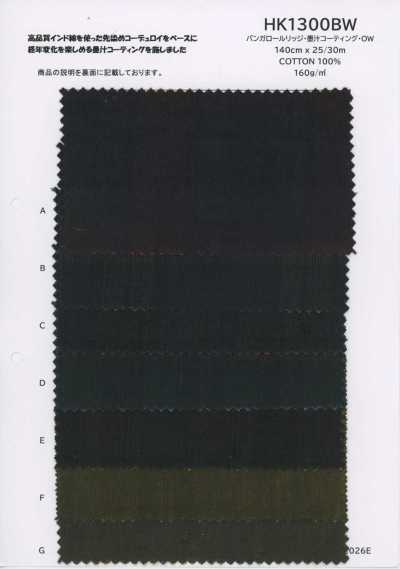
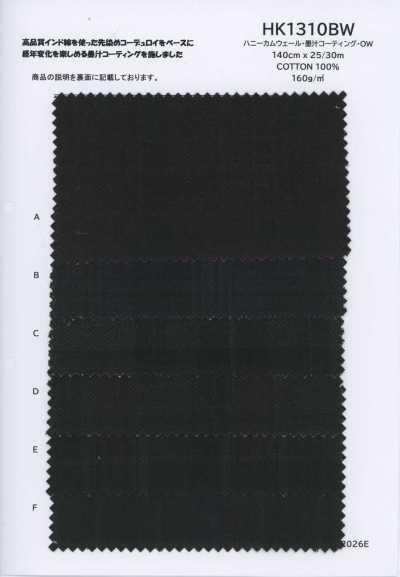
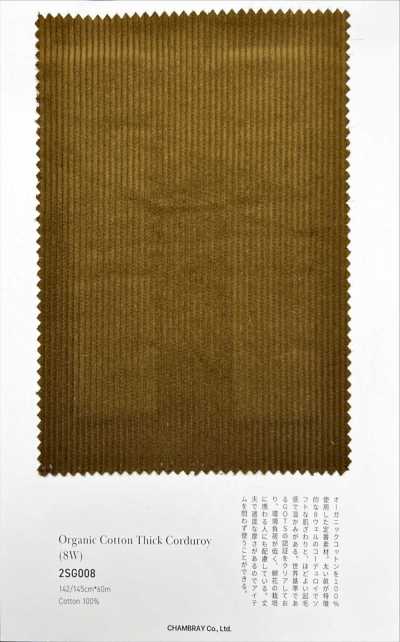
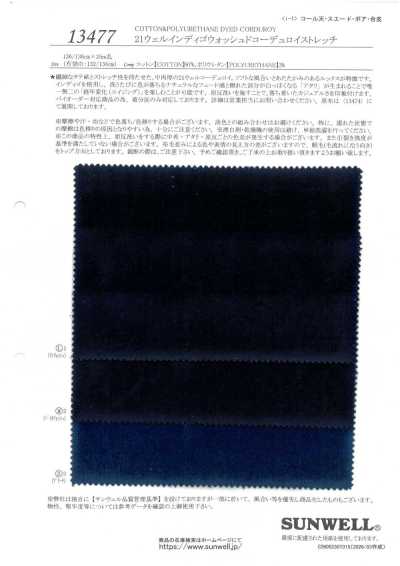
A wale is a raised, linear ridge that appears continuously on the surface of a textile, or a term used to describe its width or number. In corduroy in particular, it refers to the rows of pile and affects the appearance and texture.
Contents6 sections
Definition and Overview
A wale is a ridged, linear texture that appears on the surface of a textile in a fixed direction, formed by weaving, knitting, or brushing. It is not the fabric name itself, but a term used to describe the surface shape and the spacing between ridges.
In apparel, it is typically used to refer to the vertical ridges of raised pile in corduroy. In knitting, the vertical columns of stitches are called wales, and depending on the context, they may also be described as wales.
Wale Thickness and Appearance
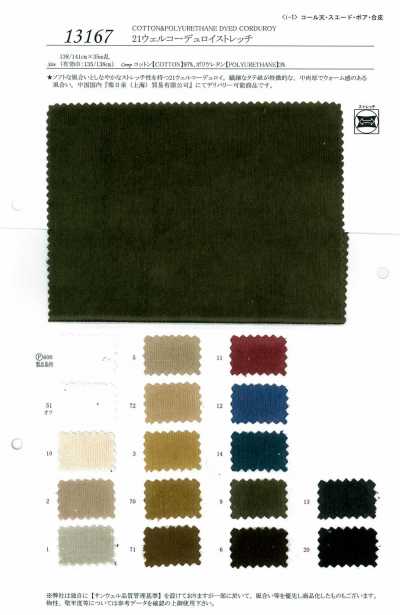
In corduroy, the number of wales may be shown per a certain length and handled as the wale count. Generally, the smaller the number, the wider each wale becomes, resulting in a wide wale; the larger the number, the narrower each wale becomes, resulting in a narrow wale.
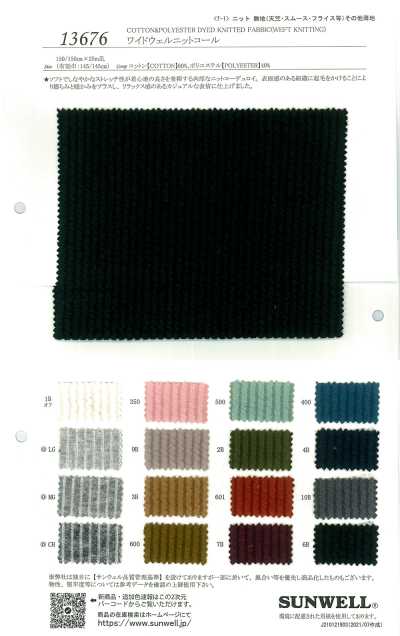
Wide wales tend to show stronger texture and pile presence, creating a casual, voluminous impression. Narrow wales tend to look delicate and neat, giving a comparatively clean impression. Medium wales sit between the two and are a versatile option with a wider range of applications.
- Wide wale: The three-dimensional texture stands out and gives a rough, warm impression.
- Medium wale: It tends to strike a balance between the look of the wales and ease of wear.
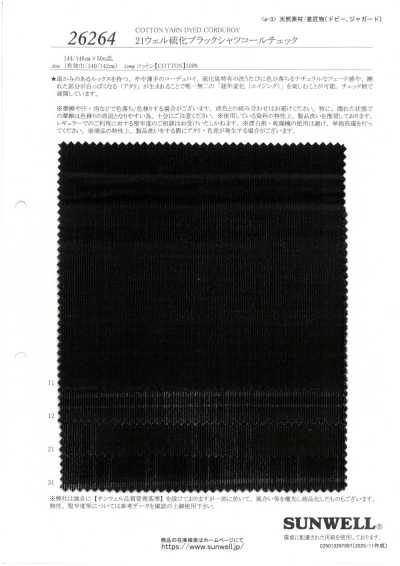
- Narrow wale: The surface looks finer and tends to create an elegant, light impression.
Main Applications and Seasonality
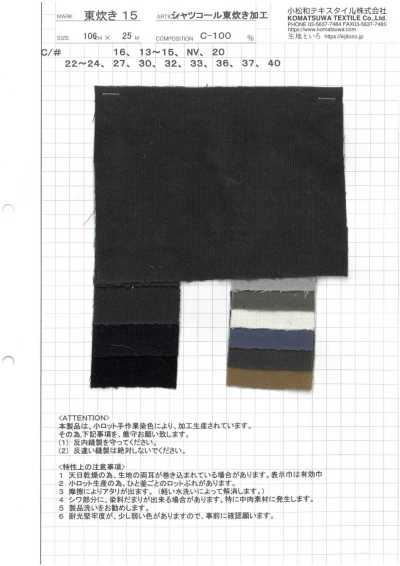
Corduroy with pronounced wales is used for pants, jackets, shirts, skirts, and dresses. The wale direction is usually vertical, but horizontal use or partial use can serve as a design accent.
Wales in brushed fabrics made with cotton are easy to create a sense of warmth both visually and to the touch, so they are often seen in autumn and winter clothing. However, thickness and warmth vary depending on the material, fabric weight, degree of brushing, and finishing, so season should not be judged by wale thickness alone.
How to Choose and Handling Precautions
When choosing wale thickness, check not only the design image but also the fabric thickness, pile length, drape, and the silhouette of the item to be sewn. Fabrics with wider wales make the continuity of the wales more noticeable at pockets and seam lines, so pattern matching during cutting is important.
Wale fabrics that include natural fibers may change in shrinkage, nap, and wale definition depending on washing and finishing. Before mass production, it is important to conduct fabric testing and washing tests, then reflect the shrinkage rate in the pattern.
During cutting, align the wale direction and nap so the appearance does not change between the left and right body panels or between parts. During sewing, watch for feeding differences and puckering caused by the pile, and use test stitching to check presser foot pressure, thread tension, and seam appearance.
Differences from Similar Terms
Corduroy is the name of a woven fabric that has cut pile to create ridge-like nap. By contrast, wale is a descriptive term referring to the ridged surface itself, or its width or number, and is not limited to corduroy.
Wales and courses are terms that indicate the direction of stitches in knitting: wales refer to vertical rows, and courses refer to horizontal rows. Since wale can also refer to the surface ridges seen in appearance, specifications and technical design should make clear whether the subject is woven fabric or knit fabric.
Frequently Asked Questions
Do more wales mean the wales become narrower?
What should be checked when cutting wale fabric?
The basic rule is to keep the wale direction and nap consistent across all parts. In particular, brushed corduroy may look different in depth of color and sheen depending on the direction of the nap. Also check the continuity of the wales at pockets, collars, and seam lines.
Do wale and corduroy mean the same thing?
No, they do not mean the same thing. Corduroy is the name of a woven fabric with ridge-like pile, while wale refers to the ridged surface appearance. In addition to corduroy, ridges created by weave structure or knitting method may also be called wales.