Bare Jersey
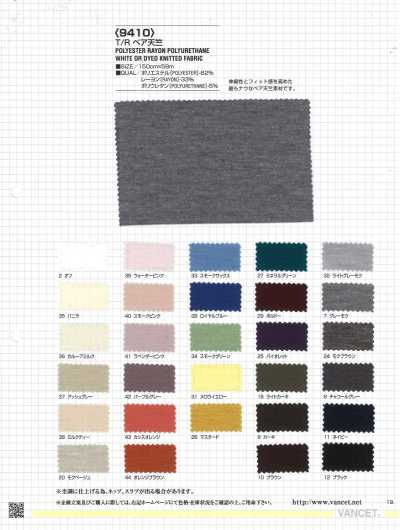
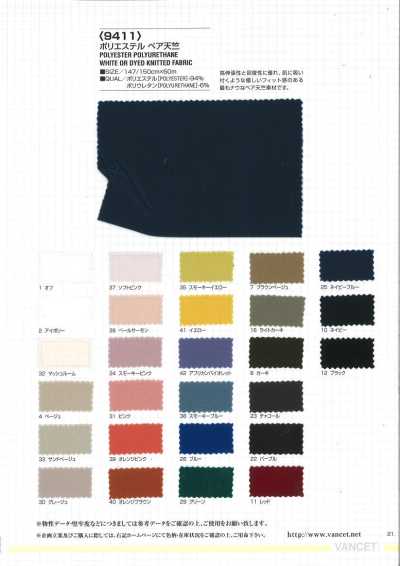
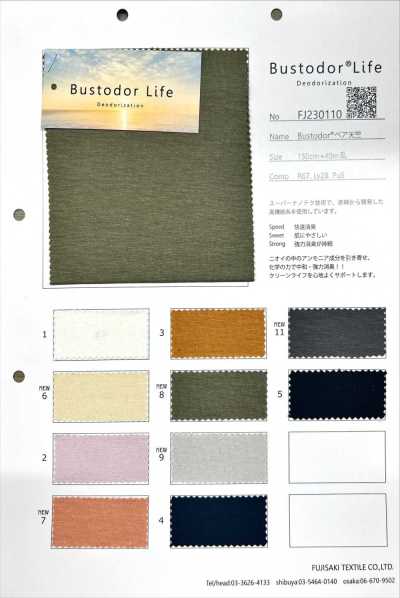
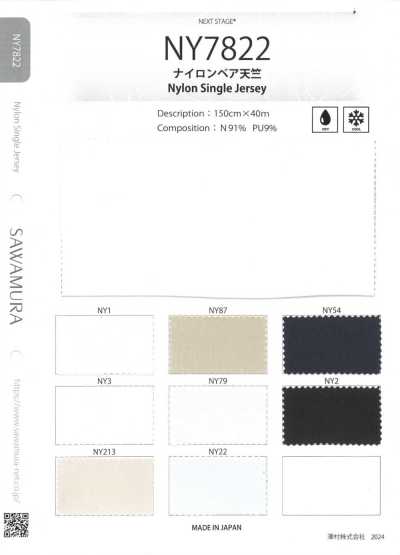
Bare jersey is a knitted textile made by adding polyurethane yarn to the ground yarn of a jersey knit, giving it a jersey-like surface and high stretch and recovery.
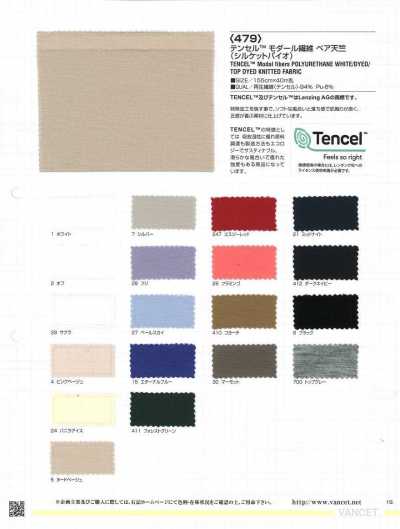
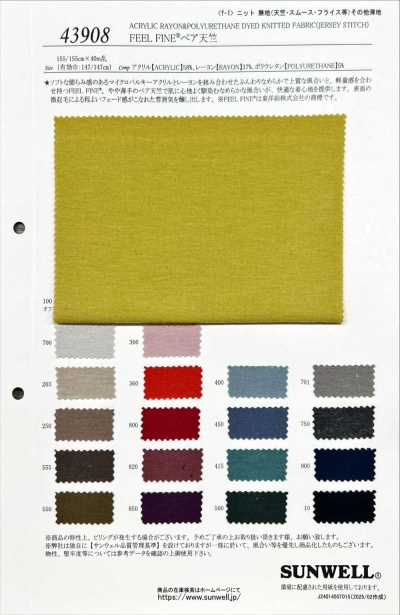
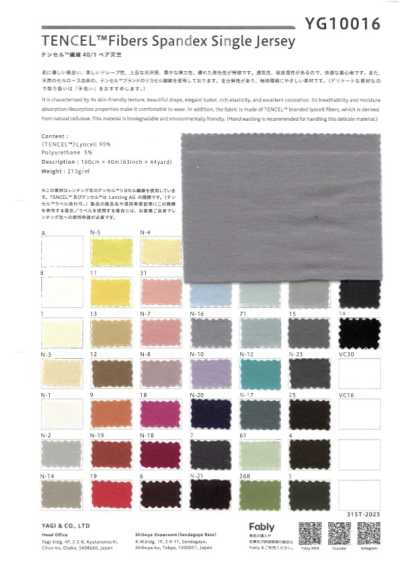
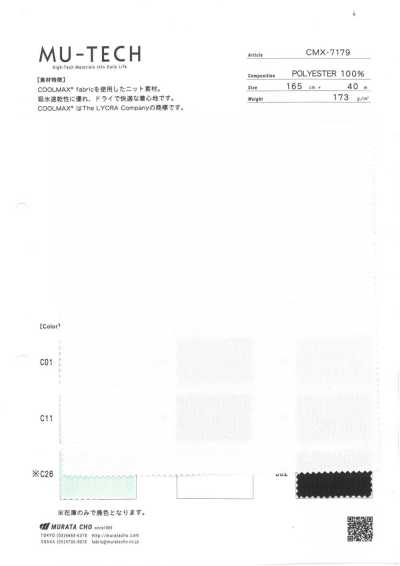
Contents6 sections
Definition and Overview
Bare jersey is a circular knit textile generally made by plating together a ground yarn such as cotton and polyurethane yarn. Plating refers to a method of knitting multiple yarns while maintaining their front-and-back positional relationship.
The “jersey” in the name refers to a type of plain knit in which V-shaped stitches appear on the front side and horizontal loops appear on the back side. In bare jersey, the basic appearance of jersey knit is combined with the fit of polyurethane.
Feel and Function
It stretches better in the horizontal direction than ordinary jersey and has a force that makes it try to return after being stretched. It follows body movement well and conforms to the body moderately, making it a material that is easy to wear in garments close to the skin.
The surface is relatively flat, like jersey, and softness, smoothness, thickness, and sheerness vary depending on the material composition and yarn type. Thin styles made with fine yarn feel light to wear, but in light colors, sheerness should be checked.
Main Applications
It is used for innerwear, underwear, cut-and-sew items, T-shirts, leggings, and loungewear. Taking advantage of its fit, it may also be combined with rib knit and other accessory textiles.
There are standards ranging from lightweight to medium weight, and seasonal suitability differs depending on the material composition, fabric weight, and finishing. Lightweight bare jersey is often used for all-season innerwear and layering items.
Selection and Handling Notes
When selecting, check not only the blend ratio but also the fabric weight, thickness, stretch recovery rate, sheerness, skew, and shrinkage after washing with actual samples. Even within bare jersey, the yarn type for the ground yarn, the amount of polyurethane, and the knitting density can greatly affect tightness and shape retention.
Before cutting, it is important to relax the roll and let the textile settle. In sewing, do not pull the textile, and adjust the differential feed and stitches to accommodate stretch. Consider a ballpoint needle that is less likely to damage the stitches, and confirm skipped stitches and puckering with test sewing.
Shrinkage from washing or heat, and deterioration of polyurethane, vary depending on the material composition and processing conditions. Follow the product's washing instructions and confirm the set conditions in advance, such as avoiding high-temperature drying and ironing.
Differences from Similar Terms
Jersey is the basic knit structure name and does not necessarily include polyurethane yarn. Bare jersey refers to jersey with polyurethane yarn added as the base, and is suitable for applications that require greater fit.
Rib knit is a knit fabric whose front and back sides often have a similar appearance, and many types have more horizontal stretch than jersey. Circular interlock knitting is a knit fabric with relatively smooth surfaces on both sides. Since either may also use polyurethane, compare the specifications rather than relying on the name alone.
Frequently Asked Questions
What is the difference between bare jersey and ordinary jersey?
Ordinary jersey is the name of a plain knit structure, and it is not limited by whether it contains polyurethane. Bare jersey generally adds polyurethane yarn to the ground yarn when knitting, so compared with ordinary jersey, it is easier to provide stretch and body fit.
Does bare jersey shrink when washed?
The way it shrinks depends on the type of ground yarn such as cotton, knitting density, dyeing and finishing processing, and washing conditions. Because it contains polyurethane, strong heat can also affect its performance. Before mass production, conduct washing tests under the expected washing conditions and check the shrinkage rate and changes in appearance.
What should be noted when sewing bare jersey?
Because it is a stretchy textile, pulling it too much during sewing may cause waviness or seam shrinkage. Adjust the needle, thread, differential feed, and stitch stretch suitable for the textile through test sewing. Relaxing the roll before cutting and cutting with the grain aligned also help maintain dimensional stability.