Chemical Wash
Chemical wash is a washing process that mainly uses chemicals on denim and similar materials to create partial fading and tonal variations, producing a worn-in used look.
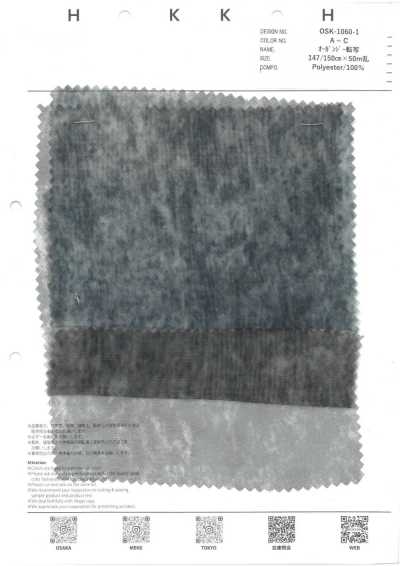
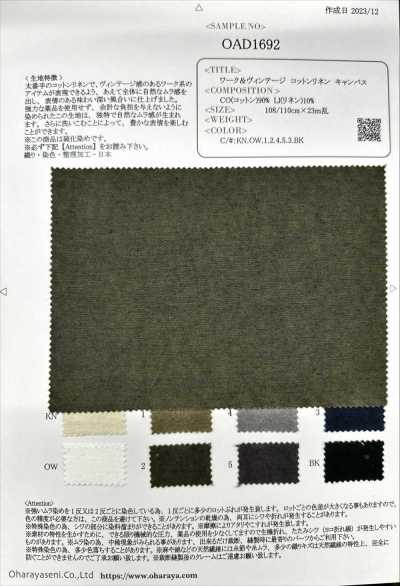
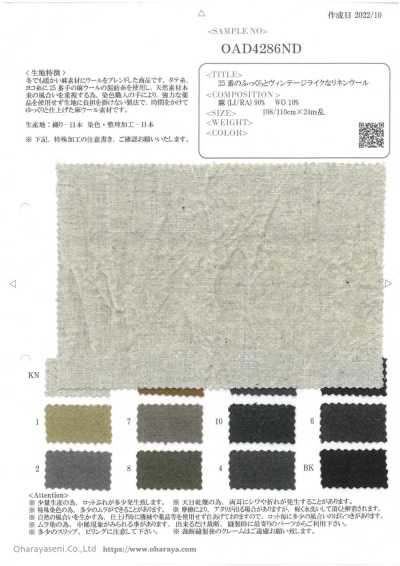
Contents6 sections
Definition and Overview
Chemical wash is a finishing process that applies chemicals to dyed textile or products to remove color unevenly and create light and dark variations on the surface. It is often used on dark materials such as denim, and there are individual differences in appearance from one piece to another after processing.
It does not refer to a weaving method or material name, but to a post-processing treatment. The degree of fading, the amount of white areas, and the texture vary greatly depending on the base dye, material blend ratio, product shape, and processing conditions.
Features
Its defining feature is a high-contrast appearance, with pale color appearing in mottled patches on a dark base color. Unlike fabric that has naturally faded over years of wear, it can create a vintage look with noticeable variation in a short time.
Depending on the process, the textile surface may feel slightly softer, but this also depends on the material and on any washing or softening treatment used together with it. Chemical wash itself is not a process that adds functions such as absorbency or stretch.
Main Applications
It is used for casual clothing such as jeans, denim jackets, shirts, skirts, and dresses. Even beyond denim, it may be used on cotton materials and similar fabrics when the color variation created by processing is intended as part of the design.
Because the faded look has a strong presence, it is used from light casual styles in spring and summer to accent layering in fall and winter. During planning, it is important to consider that the processed appearance will be central to the design, and to check the color tone of trims and stitching as well.
How to Choose and Handling Precautions
When selecting, check the color depth, white area placement, fading around seams, and dimensional change using a processing sample. Even with the same process name, the appearance differs depending on processing conditions and lot, so it is important to obtain an approved sample before mass production and share the acceptable range in the specification sheet.
During washing, excess dye or color loosened by processing may come off initially. In accordance with the care label, it is common to avoid washing with light-colored items and to wash the garment inside out, separately or with similar colors. Shrinkage and fading from drying also differ by material, so confirm with a preliminary test.
When processing a sewn product, confirm whether the sewing thread, interlining, zipper, buttons, and other components can withstand the chemicals and washing. Sewing shrinkage, puckering, discoloration of metal trims, and peeling of fusible interlining may occur, so product testing including trims is necessary.
Differences from Similar Terms
Stone wash is a washing process that uses physical action from stones and similar materials to create a worn and faded look. Chemical wash is centered on decolorization by chemicals, and differs in that it generally tends to produce a more irregular, high-contrast, whitish appearance.
Bleach processing may refer broadly to treatments that remove color with chemicals. Chemical wash is used in the context of creating a mottled appearance like a washed item by taking advantage of that decolorizing effect. However, the naming and processing details vary by manufacturer and region.
FAQ
Can chemical wash be used on materials other than denim?
It can also be used on cotton materials and similar fabrics other than denim, but the way decolorization appears and its effect on the textile differ depending on the material, dye, and structure. Be sure to confirm with a processed sample of the same material whether the desired appearance is achieved and whether strength and shrinkage are within the acceptable range.
Does chemical-washed merchandise transfer color?
Immediately after processing or in dark-colored products, residual dye and similar factors may cause color transfer through rubbing or washing. Confirm washing fastness and rubbing fastness, and advise avoiding strong friction with light-colored clothing, bags, chairs, and similar items during initial wear.
Are chemical wash and used processing the same?
Used processing is a general term for treatments that create a worn-in appearance. Chemical wash is one of those methods of expression. Used processing also includes treatments other than chemical wash, such as washing, abrasion, tearing, and staining.