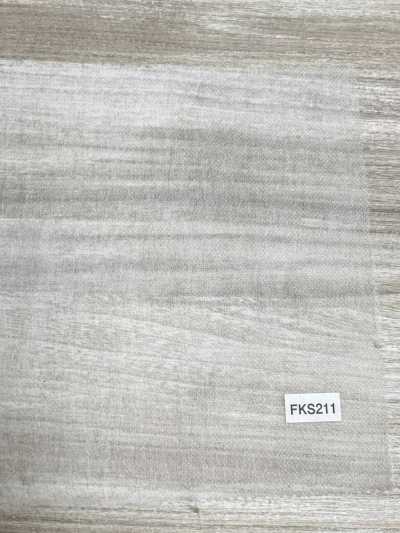
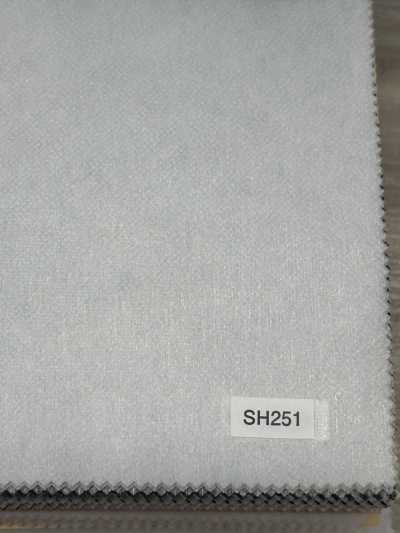
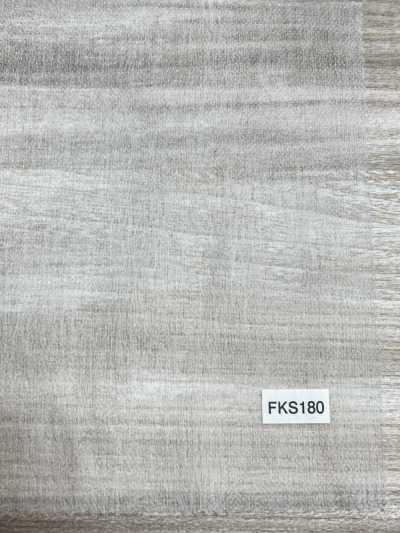
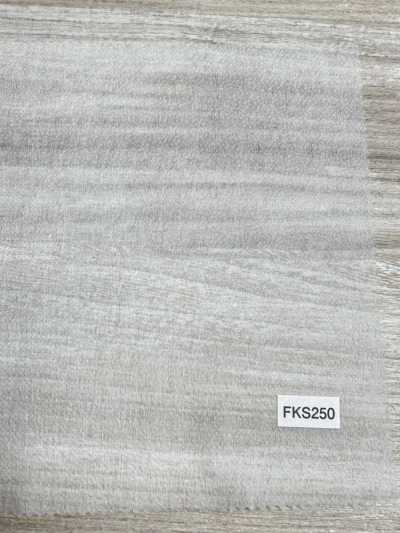
Double-dot
Double-dot is a coating method that forms two layers of adhesive resin dots on one side of a fusible interlining, reducing the resin's effect on the outer fabric and minimizing changes in hand while maintaining adhesion.
Contents6 sections
Definition and Overview
Double dot is a type of dot coating in which adhesive resin is applied in dots to fusible interlining. By making the resin dots into a two-layer structure, it aims to achieve both retention on the interlining base fabric and adhesion to the outer fabric.
It does not refer to the type of fusible interlining itself, but to the processing method for the adhesive resin applied to one side of the interlining. It is handled separately from the type of base fabric, such as nonwoven interlining, woven interlining, or knit interlining.
Uses and Role
Fusible interlining with double-dot processing is used for areas where shaping or stretch control is needed, such as collars, front plackets, cuffs, facings, and the waist area. It is considered when the surface texture and softness of a thin to medium-weight outer fabric should be preserved as much as possible.
Bonding the interlining improves handling during sewing and helps prevent loss of shape during wear. However, the final stiffness and adhesion durability depend not only on whether it is double dot, but also on the combination of the base fabric, resin, and bonding conditions.
Materials and Types
The base fabric of fusible interlining may be nonwoven, woven, or knit, often using polyester. In double dot, the properties and amount of the lower and upper resin layers are adjusted to balance fixation to the interlining and adhesion to the outer fabric.
Compared with ordinary single-layer dot coating, it is characterized by easier control of the amount of resin that contacts the outer fabric and its flow during bonding. However, the name and specific two-layer structure may differ depending on the interlining specifications and supplier.
Selection and Precautions
When selecting, check the thickness, density, elasticity, fluff, and surface unevenness of the outer fabric, as well as the required stiffness. For thin and delicate outer fabrics, it is important to choose an interlining that is less likely to leave resin marks on the face side and less likely to impair the fabric's texture.
Stiffer interlinings and specifications with more resin make it easier to create shape, but depending on the outer fabric, they may cause a hardened feel, fading, or resin strike-through to stand out. For stretch materials, consider knit interlining that matches the stretch of the outer fabric, and confirm that it does not hinder the required elongation.
- Layer the outer fabric and interlining, and compare the texture and appearance before and after bonding.
- Especially check light-colored, thin, glossy, and brushed materials, as surface changes are easier to see.
- For products that will be garment-washed, laundered, or dry-cleaned, evaluate them after the actual treatment as well.
Precautions for Bonding and Sewing
Bonding should follow the temperature, time, pressure, and cooling conditions specified for each interlining. If the conditions are insufficient, adequate peel strength will not be achieved; excessive heat or pressure may lead to glossing, shrinkage, strike-through, or changes in texture of the outer fabric.
Before mass production, conduct trial bonding using the outer fabric and interlining, and check for peeling, bubbling, and surface fading. After bonding, allowing sufficient cooling before cutting and sewing makes it easier to confirm the stability of the bonded area.
Frequently Asked Questions
Do double dot and fusible interlining mean the same thing?
No, they do not. Fusible interlining is the general term for interlining that is bonded to the outer fabric with heat and pressure. Double dot refers to the method of processing that fusible interlining with adhesive resin in a two-layer dot pattern. It is a separate classification from whether the base fabric is nonwoven, woven, or knit.
Can double dot be bonded to any outer fabric?
Compatibility with the outer fabric must be checked. On thin, light-colored, glossy, brushed, or stretch materials, strike-through, fading, a hardened feel, or interference with stretch may occur. Test bond with the outer fabric and interlining to be used, and also check after the expected treatments such as washing.
What should I do if the interlining peels off after bonding?
First, check whether the bonding conditions, such as temperature, time, pressure, and cooling, match the interlining specifications. If the conditions are fine, review the compatibility between the outer fabric's processing or surface characteristics and the resin, as well as the choice of interlining. Evaluate not only peel strength but also changes in appearance.