Faux Fur
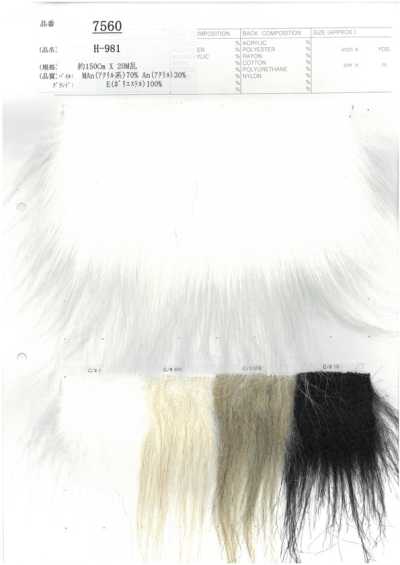
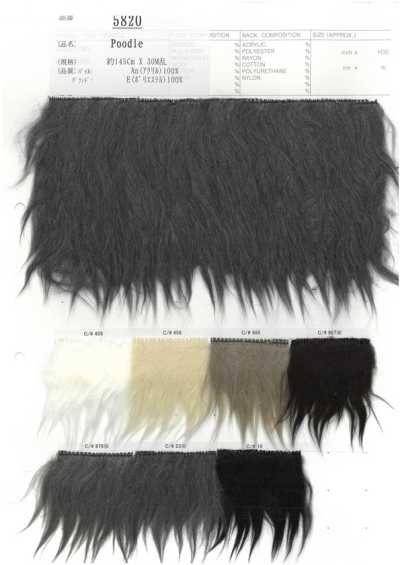
Faux fur is a pile textile made mainly from synthetic fibers that expresses animal-like fur pile, hair direction, and volume.
Contents6 sections
Definition and Overview
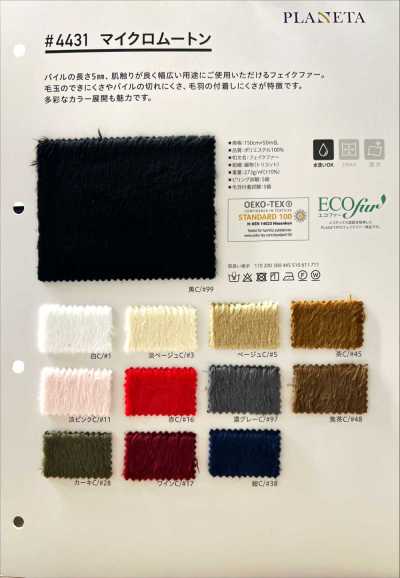
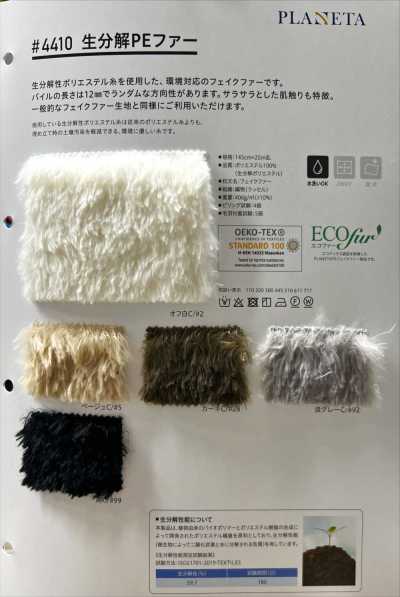
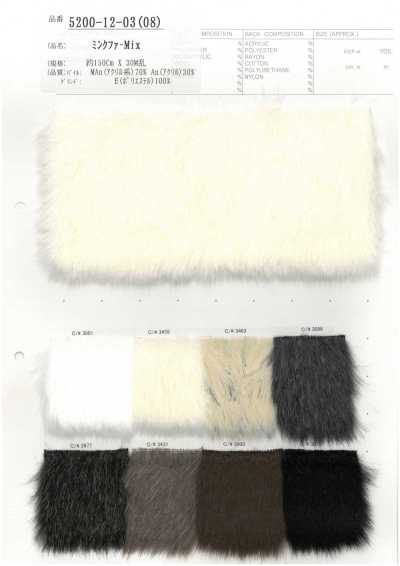
Fake fur is a textile that forms a fuzzy pile on a base fabric to express a fur-like appearance and feel. It is often made from synthetic fibers such as polyester and acrylic, and its look changes depending on the pile length, density, and the color and sheen of the fibers.
"Eco fur" is sometimes used as another name for fake fur, but the name itself does not indicate that the material has low environmental impact or that it is a certified product. The material composition, use of recycled materials, and processing conditions must be checked individually.
Texture and Function
Long-pile types have a glamorous, raised look, while short-pile types give a relatively neat impression. Because the direction of the fibers changes the appearance of color and sheen, even the same color can look different depending on the cutting direction.
The pile easily traps air, which helps provide warmth, but actual thermal performance, weight, and breathability depend on the density and length of the base fabric and pile. Fiber shedding from friction, pile distortion, pilling, and susceptibility to static electricity should also be checked according to the intended use.
Main Applications
It is used for coats, jackets, vests, trim for collars and cuffs, hats, bags, and costumes. Because it easily makes use of its appearance and warmth, it is mainly adopted for autumn and winter items.
Outside of clothing, it is also used for interior applications such as cushion covers and blankets. The longer the pile, the more easily seams and joining lines become hidden, so in design it is important to consider the balance between the area showing the pile and the use of attached parts.
Selection and Handling Notes
When selecting the material, check the pile length, density, direction, knit structure of the base fabric, thickness, weight, and stretch in the actual product. For garments, compatibility with the lining, ease of handling during sewing, and pile distortion during wear are also important. Before cutting, it is common to decide the direction of the pile and lay out all parts in the same direction.
When cutting, choose a method that does not cut deeply into the fibers, and use an awl or similar tool to pull any fibers caught in the seam allowance back to the right side and neaten them. If the pile is caught in the seam, the seam may stand out or the left and right sides may look different, so check with a prototype.
Shrinkage from washing or drying, distortion of the base fabric, disruption of the pile direction, and heat damage to the fibers may occur. Whether home washing is possible depends on the material and processing, so always follow the fabric specifications and care label, and do not apply a high-temperature iron directly to the pile.
Differences from Similar Terms
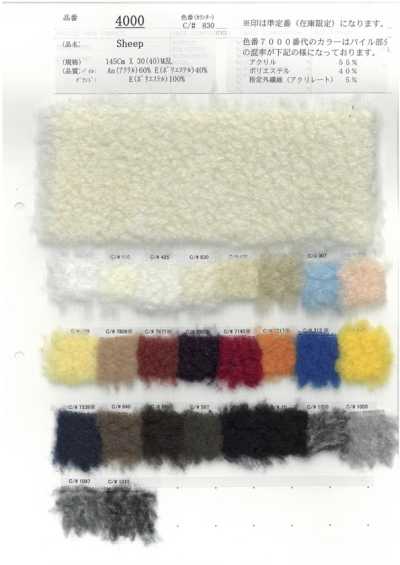
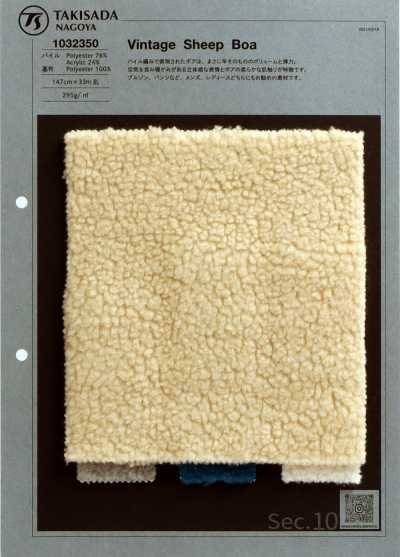
Boa fleece often refers to a pile textile with a wool-like curled or nubby surface, and it differs in appearance from fake fur, which reproduces a long fur-like flow. However, the way these terms are used can overlap depending on the product.
Fake mouton is a material that expresses the pile on the surface and a suede-like back as one integrated material. Its structure and construction differ from fake fur, which has pile on one side only. Pile is a general term for structures and surface textures with fuzz or loops, and fake fur is one type of textile that uses that expression.
Frequently Asked Questions
Does fake fur shrink when washed?
The degree of shrinkage and distortion depends not only on the pile fibers but also on the base fabric, bonding, and processing specifications. It is not possible to make a blanket judgment about whether water washing, dry cleaning, or tumble drying is acceptable. Check the fabric specifications in advance and, for finished products, follow the care label.
What should be noted when sewing fake fur?
The basic points are to align the pile direction across all parts and avoid cutting too deeply into the fibers when cutting. After sewing, pull any fibers trapped in the seam allowance back to the right side and neaten them. Because the thickness of the pile can cause sewing slippage, check the needle, thread, and feed with test stitching.
Is eco fur an environmentally friendly material?
Eco fur is widely used as a name for fake fur, but the term alone does not tell you whether it is environmentally considerate. The proportion of recycled materials, manufacturing process, and whether certification is present vary by product number, so supporting documentation must be checked.
![1500 Craft Fur [Palette Mouton]](/img/item/thumb/OKURA/1111535_t2.jpg)