Herringbone
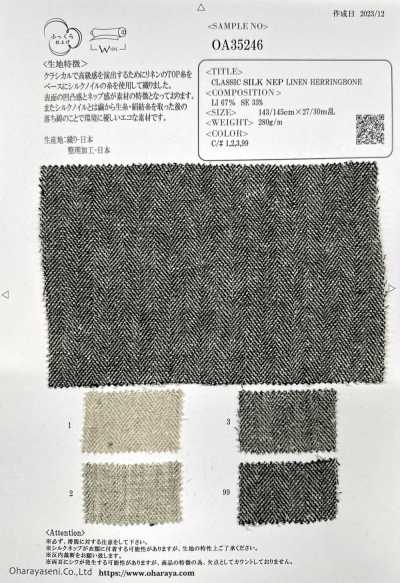
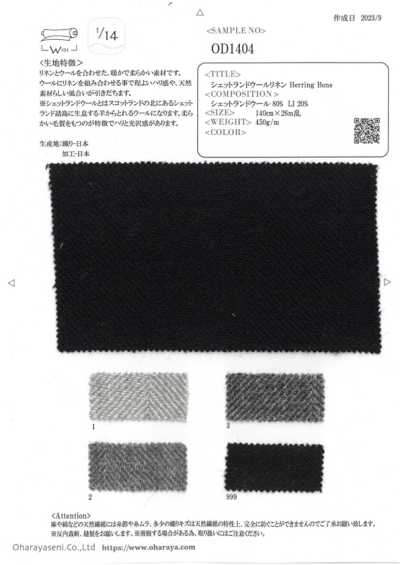
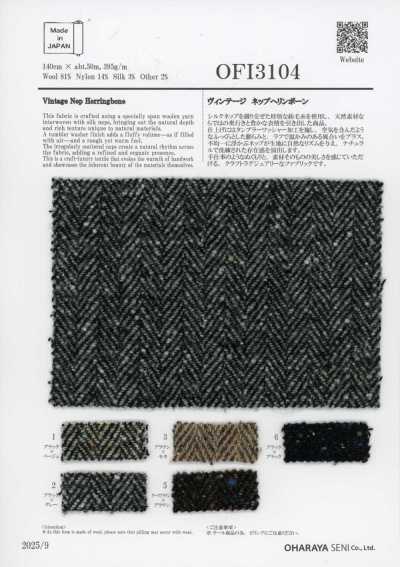
Herringbone is a woven structure or pattern in which the diagonal ribs of a twill weave reverse left and right at regular intervals, creating a continuous V-shaped pattern like a fishbone.
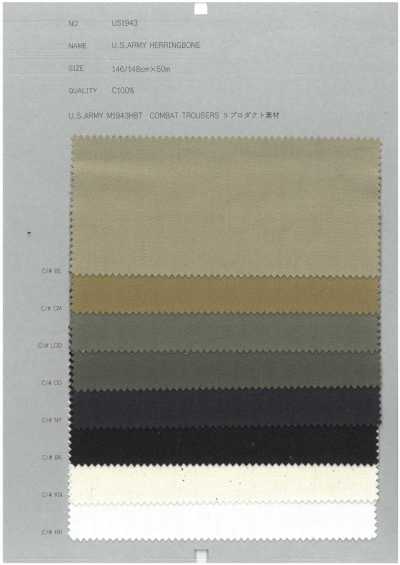
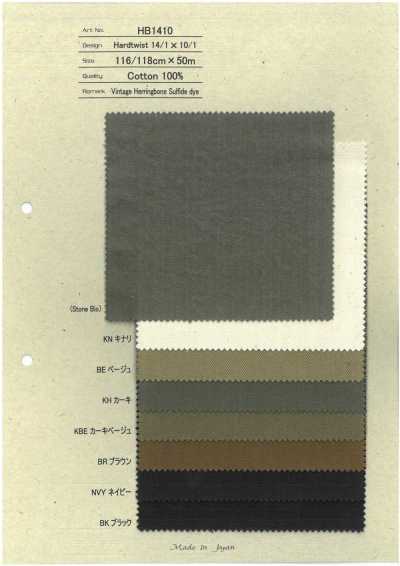
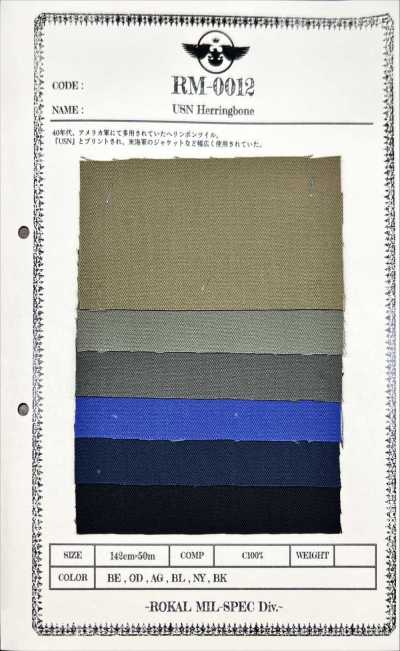
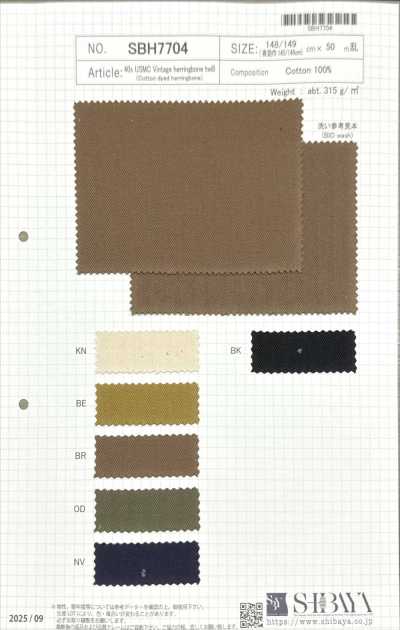
Contents6 sections
Definition and Overview
Herringbone is a weaving method in which the twill weave is reversed partway through, making diagonal lines appear in a zigzag pattern. The English word herringbone means herring bone, and in Japan it is also called sujiasaori because of its appearance.
It may refer either to the weave structure itself or to a V-shaped pattern expressed through printing or Jacquard. It is not a material name, so it is made from a variety of fibers such as cotton, wool, linen, and polyester.
Features
Its characteristics are the diagonal ribs derived from twill weave and the regularly alternating V-shaped flow. Even in solid colors, the woven pattern creates depth and a relatively calm impression while still having character.
Depending on thread thickness, density, material, and whether it is brushed, the look changes from a delicate pattern to a rugged, heavy one. In general, the direction of the ground weave also changes at the points where the weave structure switches.
- Those with narrow ribs give a delicate, understated impression.
- Those made with thick thread or brushed finishes tend to have a casual, warm look.
- When color differences are created with yarn dyed thread, the pattern’s depth and visibility can be enhanced.
Main Applications
It is used for apparel fabrics such as jackets, coats, pants, and skirts. In medium-weight fabrics made from wool or cotton, it is sometimes used for traditional autumn/winter items and workwear-style products.
It is also used for lightweight shirting, lining, and pocket lining, and fine herringbone is used as a subtle woven pattern. Outside apparel, it is also found in bags, interior textiles, and tapes and ribbons.
Selection and Handling Notes
Depending on the application, check the pattern size, fabric weight, thickness, fiber composition, and finish. When used over a large area of a product, the herringbone zigzag becomes noticeable, so it is important to confirm in advance the pattern direction and how it will look when sewn together.
In cutting, aligning the pattern direction on the left and right body panels and pockets gives a neat finish. On the other hand, pattern matching may increase fabric usage. Since the weave structure changes the grain direction, also check for twisting or distortion before cutting and sewing.
Shrinkage from washing, color fading, and pilling vary depending on the fibers and processing, not on the herringbone structure itself. In particular, natural fibers and brushed items should be prewashed as needed and handled according to the care label.
Differences from Similar Terms
Twill is a basic weave structure in which continuous diagonal lines appear through the interlacing of warp and weft. Herringbone is a structure in which those diagonal twill lines are reversed at regular intervals, creating a continuous V-shaped pattern.
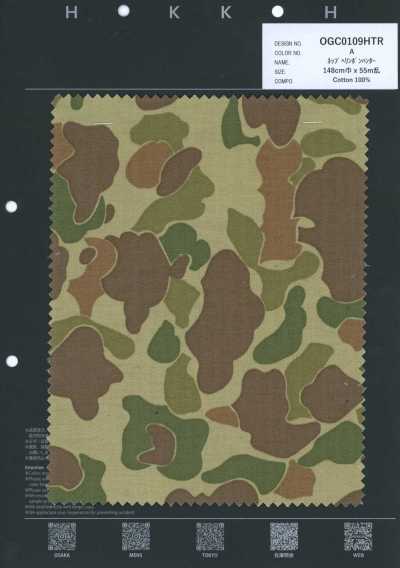
Twill is sometimes used to refer to twill fabrics or diagonal ribs with a twill-like look, but usually the diagonal lines continue in one direction. Also, herringbone patterns reproduced by Jacquard or printing may not be woven in a twill structure.
Frequently Asked Questions
Are herringbone and sujiasaori the same?
In general, herringbone and sujiasaori refer to the same V-shaped woven pattern. It is called sujiasaori because it looks like overlapping cedar leaves. However, when naming fabrics, you need to check not only the structure but also the material, thickness, and finish.
Is herringbone only an autumn/winter fabric?
Does herringbone fabric require pattern matching?
To create a neat appearance, the direction and height of the V-shapes are often aligned on the front panels, pockets, and collar. However, this may not be necessary for fine patterns. Check the allowance in fabric usage and the cutting plan according to the sewing specifications.