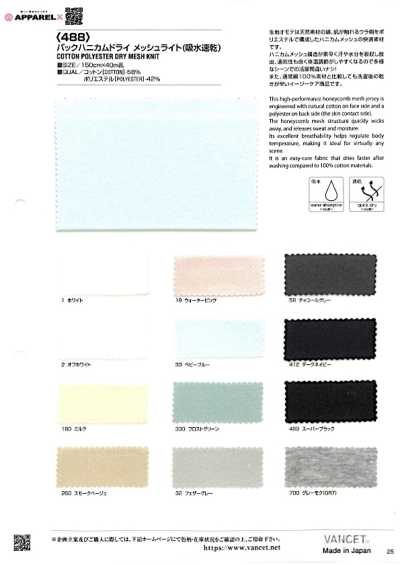
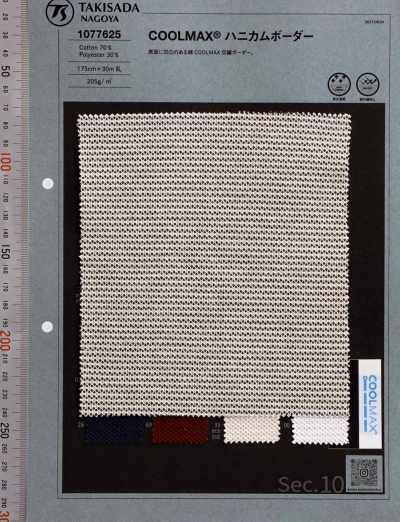
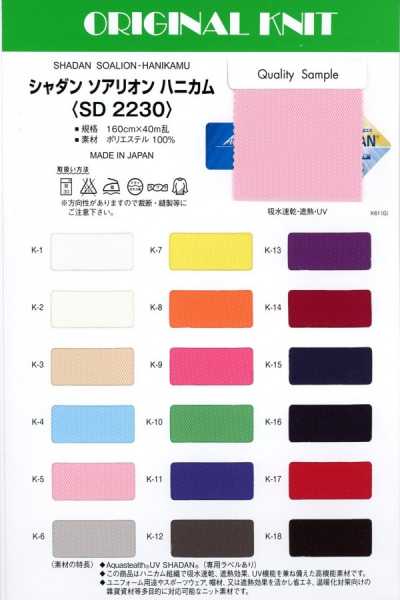
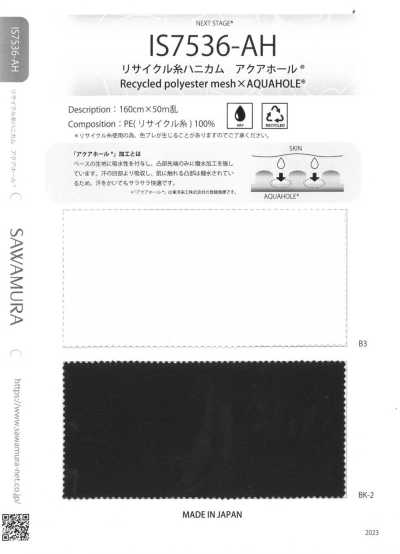
Honeycomb Weave
Honeycomb weave is a woven structure characterized by a raised surface, created by combining the up-and-down movement of warp and weft threads to produce a continuous honeycomb-like pattern of bumps and dips.
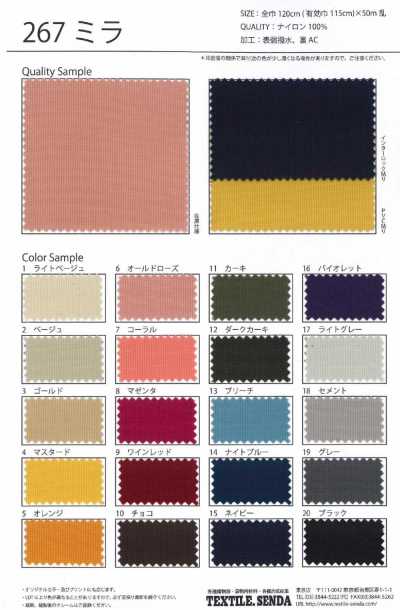
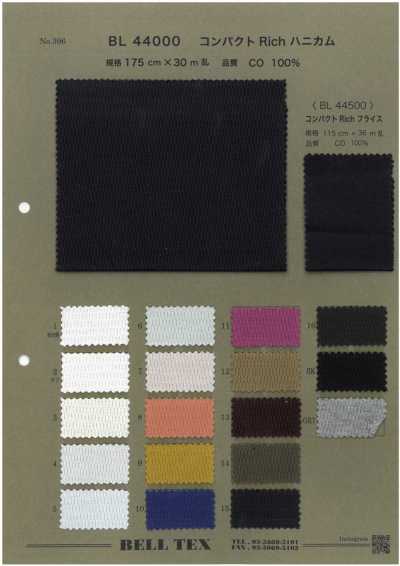
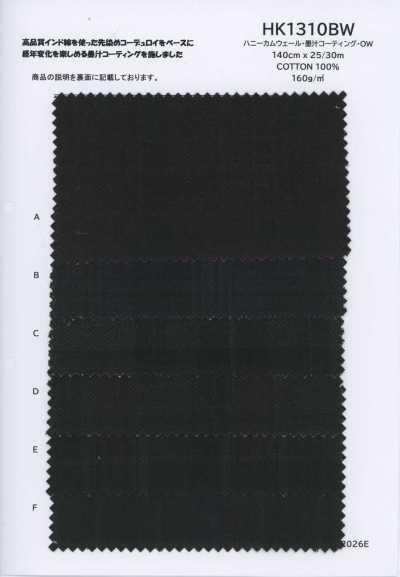
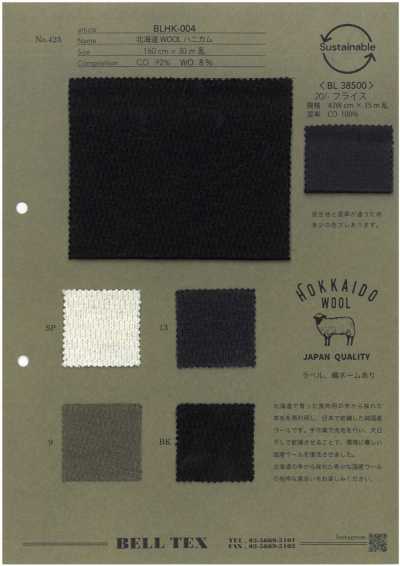
Contents6 sections
Definition and Overview
Honeycomb weave is a structure that creates a continuous textured pattern that looks hexagonal or grid-like by varying the interlacing of warp and weft yarns. The name comes from its honeycomb-like appearance, and it is also called honeycomb fabric. It is a classification based on weaving method, not the name of a material.
The structure with recessed and raised areas changes in appearance depending on the weave design, yarn thickness, density, and finishing process. It ranges from styles with fine texture to larger ones in which the weave pattern is clearly visible, and thickness and firmness vary even within honeycomb weave.
Texture and Function
The surface texture creates a three-dimensional feel and shadowing that differ from flat woven fabric. Because the area in contact with the skin tends to be relatively small, it can provide a smooth feel depending on the material and density, and it is also used as a solid material with character.
The structure that traps air between the raised and recessed areas affects lightness, breathability, and warmth, but actual performance depends on the type of fiber, yarn usage, fabric weight, and finishing. You cannot determine functions such as absorbency or quick-drying performance from the name honeycomb weave alone.
Main Uses and Seasons
It is used for shirts, blouses, dresses, jackets, and pants, as well as towels and bedding and interior applications. Because the weave texture adds a design accent, it is also suitable for projects that want surface variation without printing a pattern.
Lightly finished materials made from fine-count cotton or linen are used for spring and summer, while those with more volume made from thicker yarns or heavier textiles are used for autumn and winter. When deciding on applications, check not only seasonality but also sheerness, firmness, drape, and skin feel with the actual material.
Selection and Handling Precautions
When selecting, check the size of the texture, the direction of the weave pattern, fabric weight, thickness, and blend ratio. If the product requires the pattern direction to be aligned, be careful about cutting layout, and for areas where you want to make use of the textured surface, make prototypes in advance, including interfacing and seam allowance specifications.
Changes in shrinkage and texture due to washing vary depending on the material and finishing process. In particular, for textiles containing natural fibers or textiles with a pronounced texture, it is important to confirm the shrinkage rate before cutting. Follow the care label instructions, and perform washing tests and sewing tests before mass production.
In sewing, marking and seam lines may be hard to see because of the texture. Also, where the weave has long floats, adjust the sewing machine needle, thread, and presser foot pressure to suit the textile in order to prevent snagging, and check for seam sinking and puckering.
Differences from Similar Terms
Waffle is a name used when referring to a textile with a honeycomb-like texture, but it is also often a term for knit materials. Honeycomb weave, on the other hand, refers to a woven structure. However, in distribution, both names may be used for textiles with a similar appearance, so confirm whether it is woven or knitted.
Kanoko mainly refers to a knit structure and surface texture, and is characterized by fine texture. Pique may refer to woven textiles with ridges or texture. Both share a three-dimensional feel, but the structure, stretch, thickness, and applications differ from textile to textile.
Frequently Asked Questions
What is the difference between honeycomb weave and waffle?
Honeycomb weave is a woven structure that creates a honeycomb-like texture with warp and weft yarns. Waffle is widely used as a textile name for a textured appearance and may include knits. When placing an order, do not judge by the name alone; confirm whether it is woven or knitted, the blend ratio, and the weave diagram.
Does honeycomb weave textile shrink when washed?
The degree of shrinkage varies depending on the material, such as cotton, linen, wool, or synthetic fibers, as well as yarn usage, density, and processing conditions. Because textured structures can also change in appearance after washing, it is important to check the dimensions, appearance, and seam condition after washing before mass production.