Pique Knit
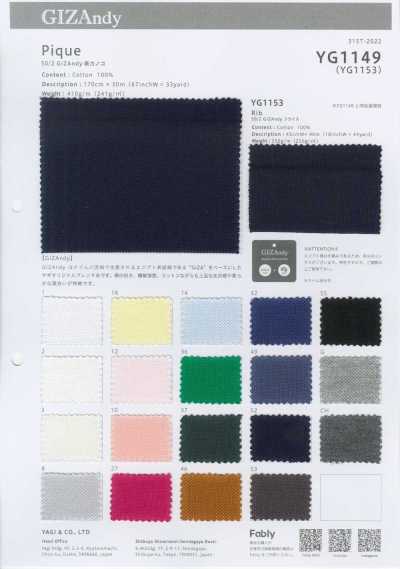
Pique knit refers to a knitted fabric with continuous small raised and recessed surfaces, a knit material that reduces the contact area with the skin and is easy to make breathable and dry to the touch.
Contents6 sections
Definition and Overview
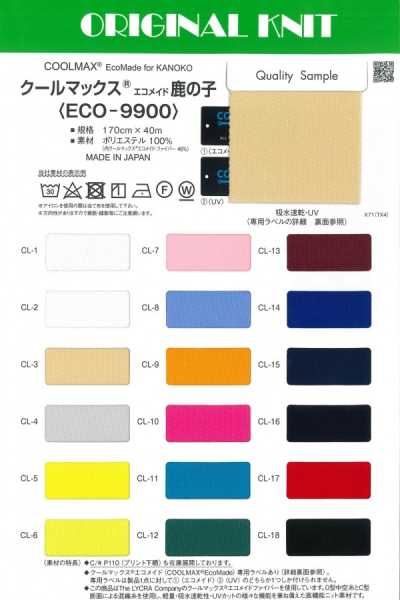
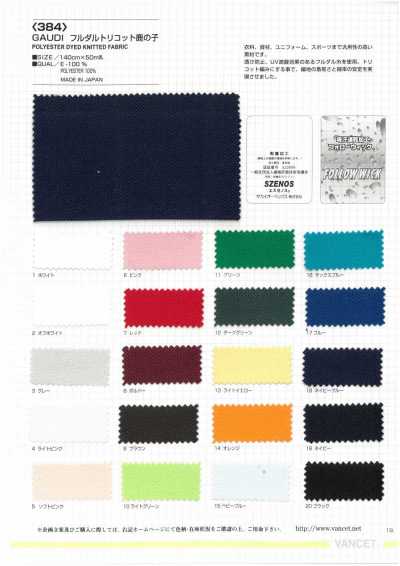
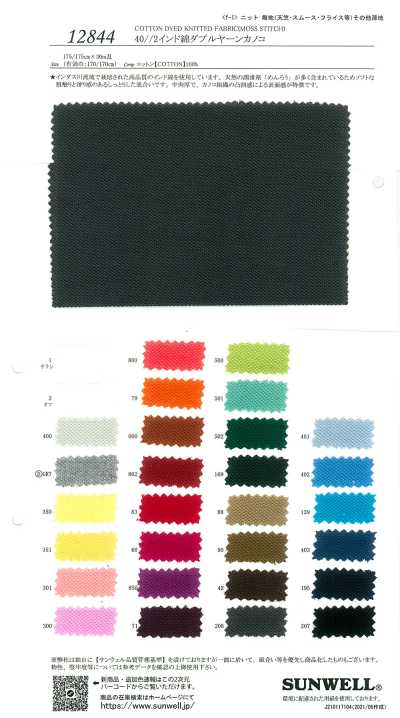
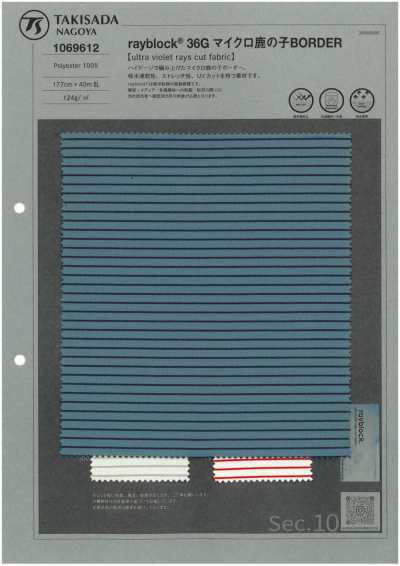
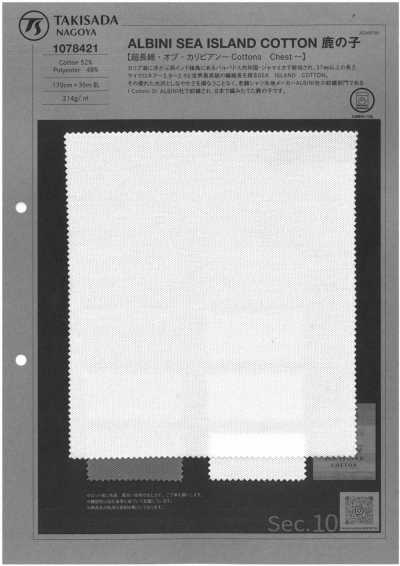
Pique knit is a knitted fabric with fine grain-like or lattice-like raised texture on the surface. Because the texture is created by the stitch structure, it has more character than smooth jersey and creates a dry, comfortable feel against the skin. In English, it is generally called pique knit.
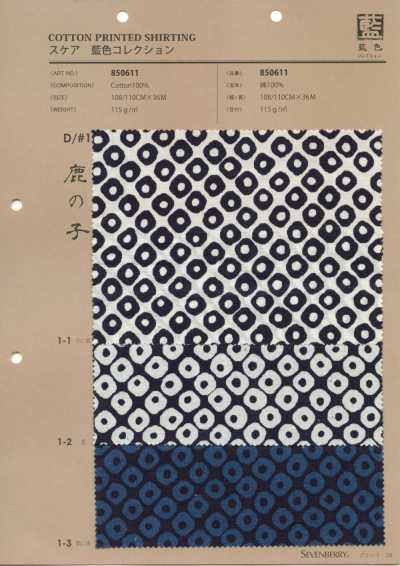
The Japanese term “kanoko” comes from the name for a fine pattern resembling the spots on a fawn’s back. While it is often used as a name for knit structures, it is also sometimes used to describe small raised patterns in woven fabrics or tie fabrics, so the material type needs to be checked separately.
Features
The raised texture tends to reduce the contact area between the fabric and the skin, making it easy to achieve a dry touch and breathability. As a knitted fabric, it also has stretch, but the amount of stretch and rebound varies depending on the knit structure, yarn usage, and blend ratio.
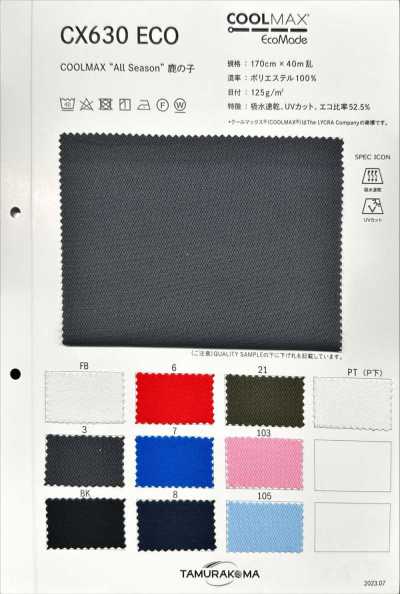
When made with cotton, it tends to have natural absorbency and a casual appearance. When made with polyester, light weight, quick drying, and compatibility with functional finishes are emphasized. Depending on the size and density of the texture, it ranges from lightweight, crisp types to firmer, thicker types.
- It has fine raised texture on the surface, giving the knit a distinctive appearance.
- It has good separation from the skin and is often used as a spring-summer material.
- Depending on the structure and yarn type, there are differences in skewing, sheerness, stretch, and durability.
Main Applications
The most typical application is polo shirts. It is also used for T-shirts, cut-and-sew tops, sportswear, uniforms, innerwear, and children’s clothing. Taking advantage of its cool appearance and moderate firmness, it is mainly used for spring and summer items.
Kanoko with added functions such as moisture absorption and quick drying, or antibacterial and odor-resistant performance, is also used for clothing worn during exercise or work. However, functionality is determined not by the kanoko structure itself, but by the fibers used, post-processing, and product design, so test information and labeling should be checked.
Selection and Handling Notes
Depending on the application, check the composition, fabric weight, thickness, size of the raised texture, stretch direction, and sheerness. When adding a collar or placket to items such as polo shirts, check compatibility between the body fabric’s stretch and the rib or interlining used for the attached parts, and make prototypes to prevent waviness or loss of shape after washing.
Because knitted fabric can stretch during cutting and sewing, it is important to align the grain and sew while preventing feed-related stretching. For washing, follow the care instructions according to the composition, and evaluate shrinkage, skewing, and pilling in advance. Dark-colored items should also be checked for color transfer due to friction.
- Before mass production, check shrinkage rate and skewing after washing.
- For lightweight product numbers, check sheerness in light colors.
- For fabrics with large raised texture, check print reproducibility and the visibility of seams.
Differences from Similar Terms
Jersey is a basic knitted fabric with a relatively smooth surface, while kanoko is characterized by its raised surface texture. Waffle knit also has a raised texture, but its lattice-like texture is generally larger than kanoko and gives a more three-dimensional appearance.
Pique is used in a meaning close to kanoko, and in knits, pique knit may refer to kanoko knitting. On the other hand, because there are also woven fabrics called pique and fabrics called kanoko pattern, when ordering it is necessary to specify whether it is knit or woven and what the composition and structure are.
Frequently Asked Questions
Is kanoko a fabric for summer?
Because it is easy to achieve separation from the skin and breathability, it is often used for spring-summer polo shirts and cut-and-sew tops. However, the season depends on thickness, composition, and finishing. Thicker kanoko and items made with heat-retaining fibers may also be used for autumn and winter.
Are kanoko and pique the same?
In the knit field, pique may be treated as nearly synonymous with kanoko knitting. However, pique is also used as a term for raised structures and surface textures that include woven fabrics. When selecting fabric, check not only the name but also whether it is knit or woven, and the structure sample.
Does kanoko fabric shrink when washed?
The degree of shrinkage varies depending on the composition, such as cotton or polyester, the knit density, and the dyeing and finishing process. Because knitted fabric can also change differently in the lengthwise and widthwise directions, it is important to conduct washing tests before productization and check shrinkage rate, skewing, and balance with attached parts.