London Stripe
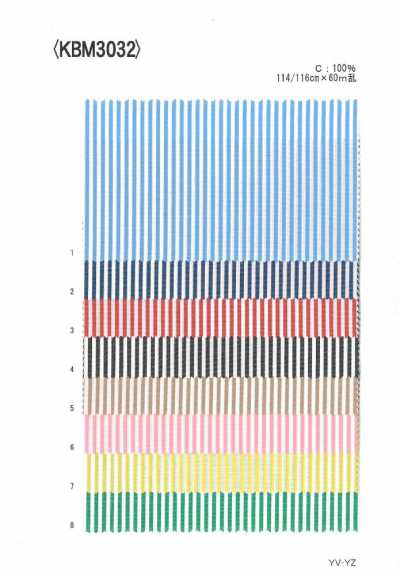
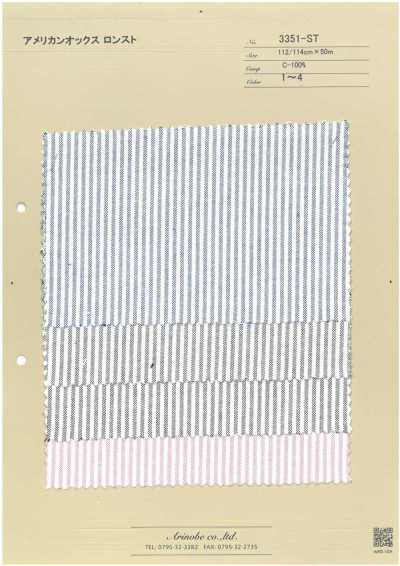
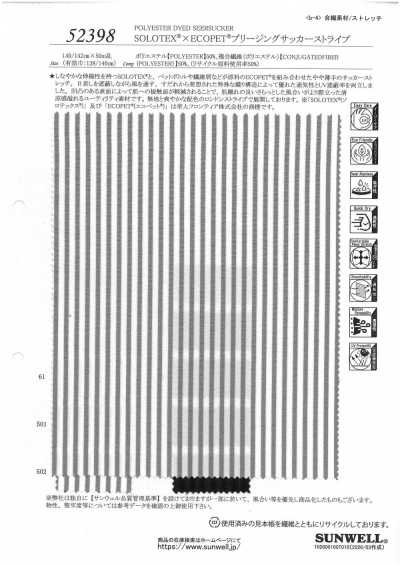
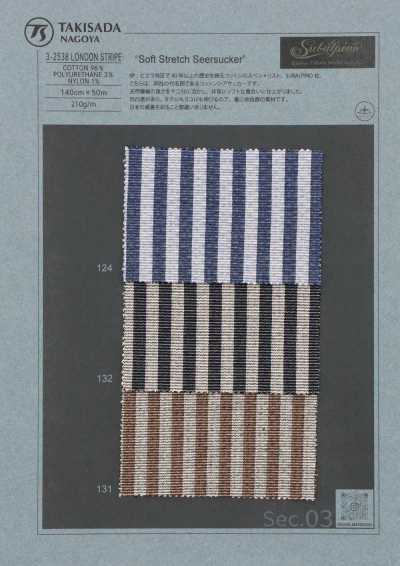
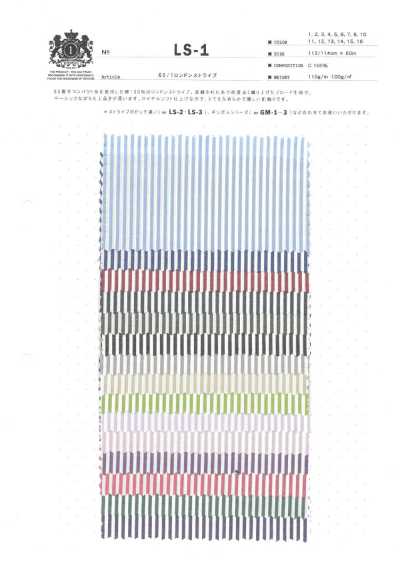
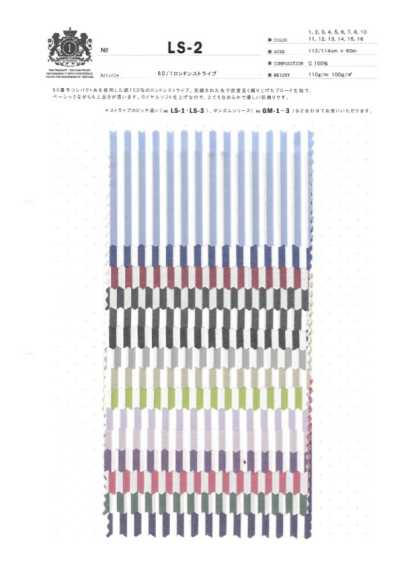
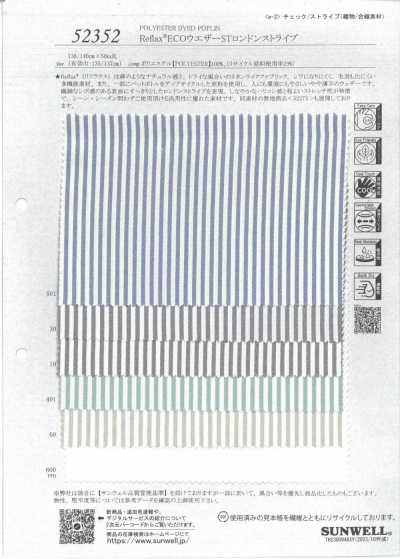
London stripe is a stripe pattern centered on clear, regular vertical stripes, with relatively wide colored lines arranged at even intervals on a ground color such as white.
Contents5 sections
Definition and Overview
London stripe is a regular stripe pattern composed so that the base color and the width of the colored lines are close, or the colored lines stand out slightly. It is often seen in shirt fabrics, and its crisp, neat impression created by clear stripes is a key feature. It is generally used in a vertical direction.
It is not the name of a fabric structure or fiber, but a name for the pattern. For that reason, it is used on fabrics of different weave structures and materials, such as broadcloth, oxford, and poplin. It is often expressed with yarn dyed fabric, but it can also be printed.
Pattern Structure and Naming
In yarn dyed London stripe, warp yarns of different colors are arranged in a fixed order to create the stripes. Unlike printing, where the pattern is added after weaving, the color is formed from the yarns, so the weave texture and stripes can appear as one.
London stripe and Bengal stripe are sometimes treated as similar terms referring to relatively wide, clear vertical stripes. However, there is no strict industry-wide boundary for line width, color scheme, or the ratio to the base color, so usage of the name varies by planning and by fabric maker.
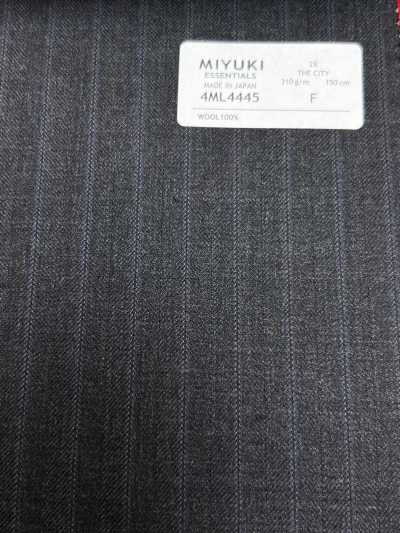
- Patterns with thin lines spaced apart are generally distinguished as pinstripes or pencil stripes.
- Stripes in which thickness or color changes alternately may be classified as alternate stripes.
- When used horizontally, the same pattern structure may be recognized as a border.
Main Applications and Seasons
It is often used for shirts, blouses, dresses, and skirts. Vertical stripes tend to lead the eye up and down and create a clean look, so they are widely used from casual items to neat shirt styles.
The season depends on the material and fabric weight. If it is a lightweight fabric made with cotton or linen, it can be used for spring and summer shirts and blouses. If it is a brushed material or a high-density textile, it can be developed for autumn and winter shirts, dresses, and more. It is important not to judge seasonality or wear comfort from the pattern name alone.
Points to Note When Selecting and Cutting the Fabric
During planning, check not only the stripe color scheme but also the pattern pitch, line width, fabric width, sheerness, and thickness. Even with the same pattern, the larger the pitch, the stronger the presence; the finer the pitch, the calmer it looks from a distance. In samples, also check how the pattern appears when worn.
When cutting, clearly state the alignment reference line in the specification sheet or pattern so that the stripe positions do not shift in the front body, collar, front placket, pocket, cuffs, and so on. Because the required fabric amount increases depending on whether the left and right bodies are cut symmetrically or the stripes are connected at the center front, this should be considered at the marking stage.
Normally, vertical stripes are placed along the grainline, but there are also designs that use the bias, or use a horizontal layout only for the yoke or pocket. In this case, the difference in stripe direction becomes part of the design, but it is necessary to confirm in advance the appearance of each part and the continuity of the pattern at the sewn seams.
Frequently Asked Questions
What is the difference between London stripe and pinstripe?
London stripe is often used for patterns with relatively wide colored lines and a clear contrast with the base color. Pinstripe refers to stripes made of thin lines arranged at regular intervals, like lines drawn with a pin. In practice, the name is determined by checking the width and color scheme of each fabric.
Does a London stripe shirt need pattern matching?
The front center, front placket, chest pocket, yoke, and collar all affect the final appearance of the pattern placement. Not everything must be matched perfectly, but it is important to share during planning, pattern making, and cutting which areas should be prioritized for matching, and reflect that in the fabric allowance.