Stripe
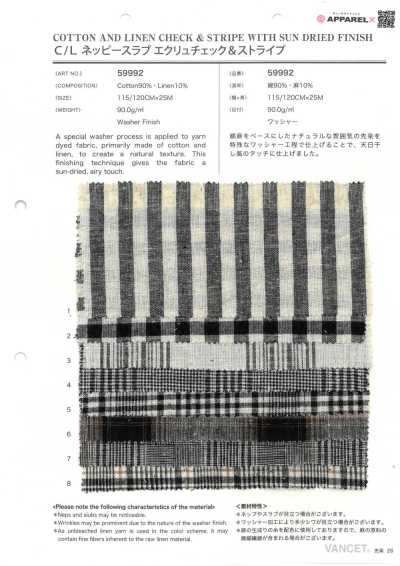
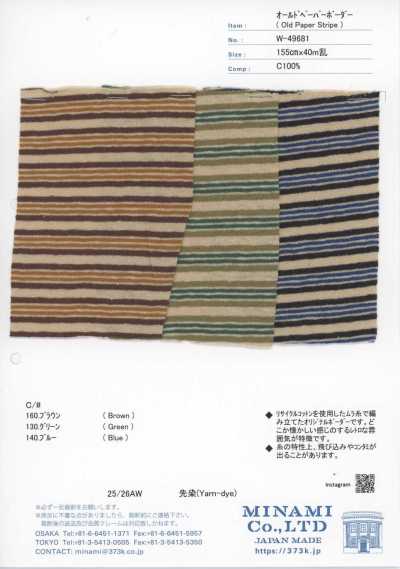
A stripe is a striped pattern made by arranging lines or bands of two or more colors at regular or varying intervals, and its impression and appearance change depending on the width, color combination, and direction of the lines.
Contents6 sections
Definition and Overview
Stripe is a pattern created by repeating linear differences in color, weave, or texture against the ground color. It generally refers to vertical stripes, but it is also used horizontally, and the direction on a garment is determined by the fabric grain and the layout of the pattern.
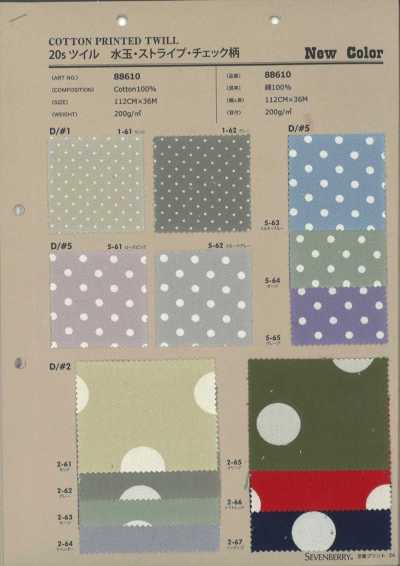
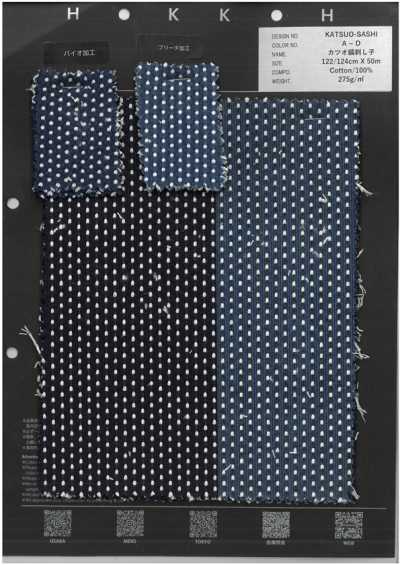
The pattern can be expressed by woven or knitted yarn-dyed yarns, or it can also be made by printing on solid fabric. In woven patterns, the combination of yarns and the structure can create a sense of depth, while printing offers greater freedom in expressing colors and lines.
How the Pattern Is Formed and Named
The name used for a stripe changes depending on line thickness, spacing, number of colors, and contrast in light and dark. However, because naming conventions and thickness standards vary by industry and by planning, do not judge by the name alone; check the pitch, line width, and color arrangement on the swatch or specification sheet.
- Pinstripe: stripes made of thin lines arranged at regular intervals, used for suits and shirts.
- Chalk stripe: stripes with somewhat soft edges that look as if drawn with chalk.
- Pencil stripe: stripes made with thin lines that look like they were drawn with a pencil.
- London stripe: used for stripes with relatively bold colored lines on a white ground, etc.
- Shadow stripe: a pattern that shows stripes subtly through weave structure or differences in sheen.
Main Uses and Seasonality
Stripes are used in a wide range of items, including shirts, blouses, dresses, skirts, pants, jackets, and suits. Thin stripes and pale color combinations tend to create a neat, light impression, while wide stripes and high contrast tend to create a more striking impression, so they are chosen according to the plan.
The pattern itself is not seasonal, but the suitable season changes depending on the material and color. Light fabrics such as lawn and broadcloth can more easily create a fresh spring-summer feel, while flannel and wool can more easily create a calm autumn-winter look.
Fabric Selection and Cutting Notes
When choosing fabric, check the stripe direction, pitch, and line edges, as well as the material, sheerness, thickness, and drape. Since the visual impression and required fabric width change depending on whether it is used as vertical or horizontal stripes, it is important to consider the design sketch together with the pattern.
During cutting, pattern matching that aligns the line positions on the front body, back body, left and right collars, pockets, sleeves, and other parts affects quality. Marking is done so the lines do not shift at the center front or side seams, and if the pattern has a one-way direction or top and bottom orientation, the direction of each piece is kept consistent.
Because pattern matching is required, more fabric than for a solid may be needed. In particular, large pitches, wide lines, and specifications with pockets or yokes can increase waste, so confirm the cutting plan based on the actual fabric width and pattern repeat.
Differences from Similar Terms
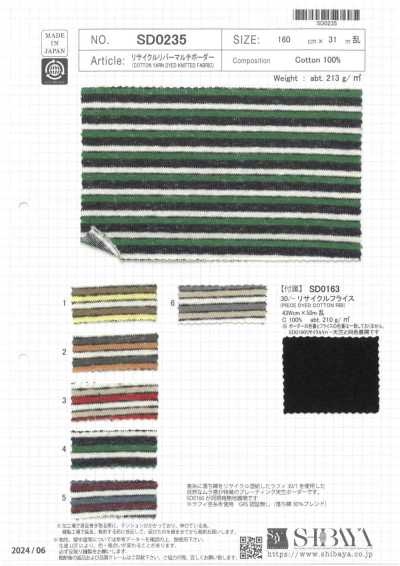
Border usually refers to horizontal stripes, while stripe is often used to mean vertical stripes. However, since the direction of the stripes in the fabric state and the appearance after the item is made can differ, specify the direction clearly to ensure understanding.
Check pattern is a pattern in which vertical and horizontal lines cross to form a grid, and it differs from stripes, which are based on lines in one direction. Also, chambray is a woven fabric that expresses tonal changes with warp and weft of different colors, and does not necessarily mean a clear stripe pattern.
Frequently Asked Questions
How are stripes and borders different?
Generally, stripes that appear vertical are called stripes, and stripes that appear horizontal are called borders. However, the direction relative to the fabric selvedge may not match the direction on the finished product. In orders and specifications, it is safer to specify both the grain direction and the vertical/horizontal direction on the finished item.
Does striped fabric require more yardage?
When pattern matching is performed, more fabric may be needed than for a solid. The required amount changes depending on the pattern pitch, fabric width, size range, and attached parts such as pockets and collars. Before mass production, lay out the pattern and confirm the required amount after determining the reference position of the pattern.
What points should be checked when matching stripes?
Check the center front, center back, side seams, shoulder seams, under sleeves, collar, pocket openings, and so on. For symmetrical designs, the line positions on the left and right are also important. If it is difficult to match everything perfectly, establish the standard as part of the specification, such as prioritizing the center front and chest area, which are more visible.