Open-end Yarn
Open-end yarn is a spun yarn made by gathering fibers in a high-speed rotating rotor, and it is used for cut-and-sew items and the like, taking advantage of its fullness and dry hand.
Contents6 sections
Definition and overview
Open-end yarn is a spinning method in which opened fibers are fed to a rotor by an air stream and gathered by centrifugal force to form yarn, or the yarn produced by that method. It is also called open-end yarn or rotor yarn in English.
Conventional ring-spun yarn is made by drawing out a fiber bundle and adding twist. In contrast, open-end yarn is characterized by a structure in which relatively straight fibers gather at the core of the yarn, while surface fibers tend to wrap around it.
Texture and appearance characteristics
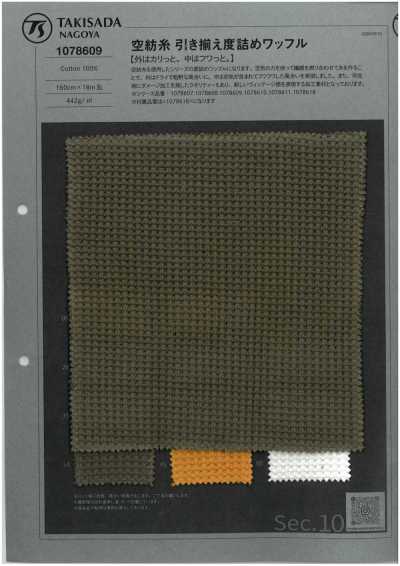
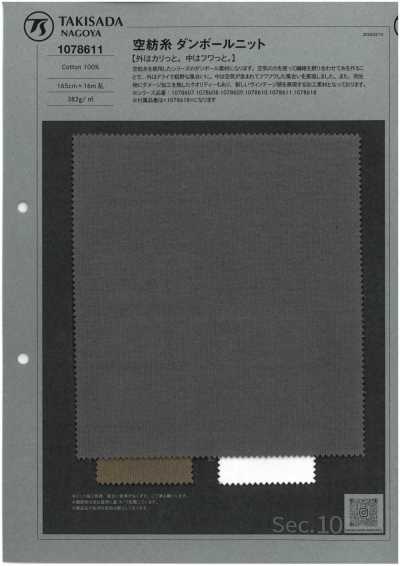
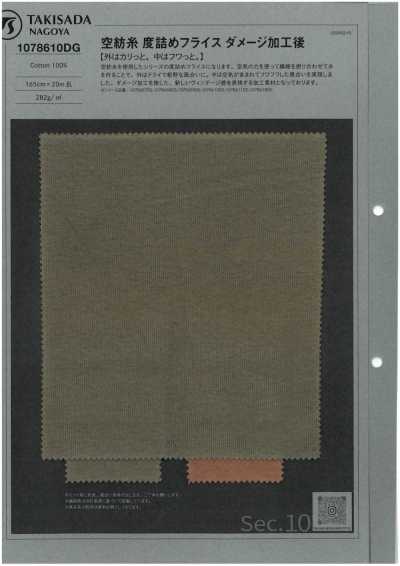
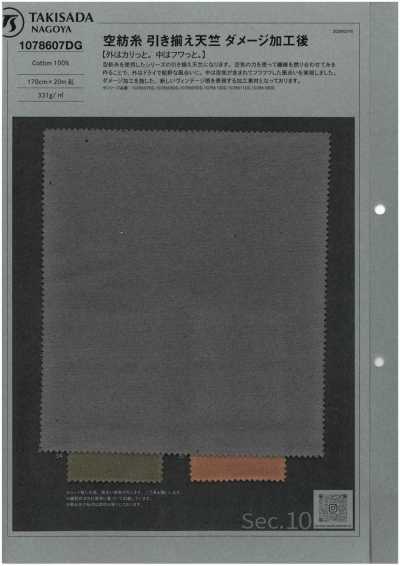
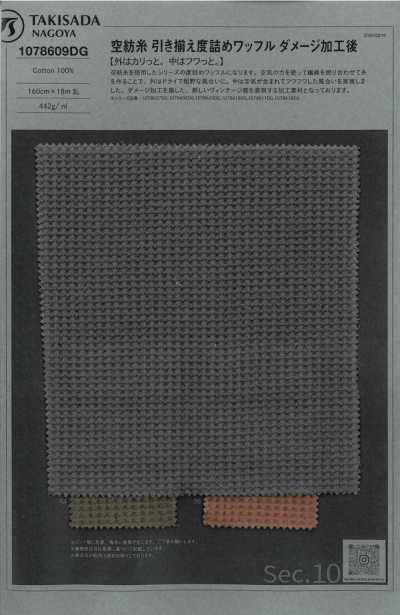
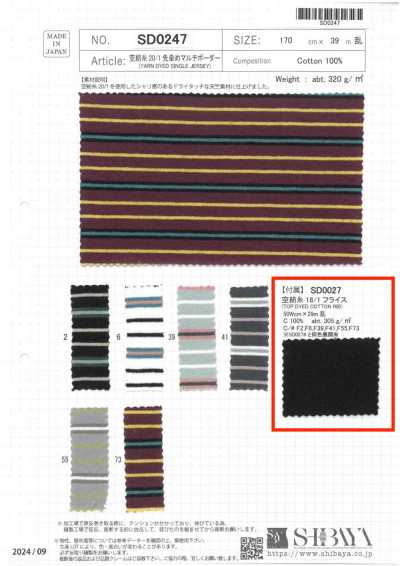
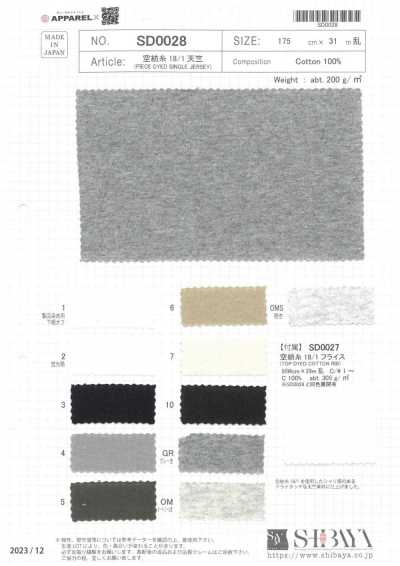
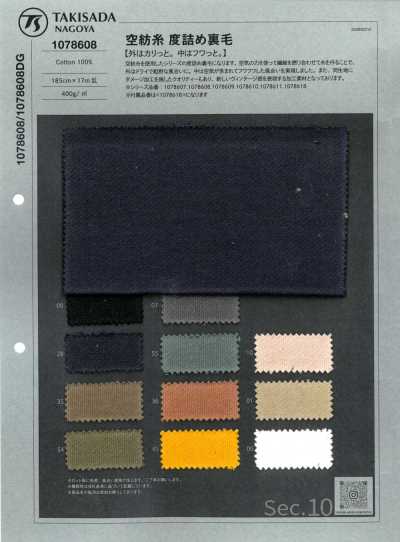
Fabrics made with open-end yarn generally tend to have fullness and are easy to give a firm thickness. In cotton, it can create a smooth, dry touch and a moderate crisp feel, and is sometimes used when aiming for a texture that does not cling to the skin.
Compared with fabrics made with ring-spun yarn, the surface tends to have a rustic, casual look rather than a smooth, lustrous impression. However, the length of the raw fibers, yarn count, twist, knitting structure, and dyeing and finishing processes all affect how stiffness and fuzziness appear.
- It is easy to achieve a full texture.
- It is easy to create a dry, rough look.
- With tightly knitted fabric, it tends to give a durable, substantial impression.
- For uses that emphasize luster or an extremely smooth hand, it is important to compare yarns carefully.
Main applications
Open-end yarn is widely used in knit fabrics such as jersey, French terry, and pique knit. It is suitable for items such as T-shirts, cut-and-sew pieces, sweatshirts, polo shirts, and rugby shirts where a casual, tough impression and moderate thickness are desired.
The wearing season varies depending on the blend ratio and fabric design. Thin jersey is used for a dry feel suitable for spring and summer, while medium- to heavy-weight jersey and French terry are used for a solid look suitable for year-round wear or for fall and winter.
Selection and handling notes
When selecting, do not judge only by the yarn type of open-end yarn; check the raw material, yarn count, single or plied yarn, knitting structure, fabric weight, and finishing process. Even with the same open-end yarn construction, fabric thickness, stiffness, skew, dimensional change after washing, and surface feel can differ greatly.
Shrinkage is not determined by the yarn type alone, and especially in knit fabrics based mainly on cotton, it is necessary to check changes caused by washing and drying. Before mass production, conduct washing tests and sewing tests, and clearly state the allowable shrinkage rate and washing conditions in the specifications.
In sewing, if the fabric is stiff and tightly knitted, take care to avoid needle damage and seam puckering. Check the appropriate needle point, needle size, thread tension, and differential feed for the fabric, and test stretch prevention and compatibility with accessories in areas that stretch, such as the neckline and cuffs.
Differences from similar terms
BD yarn is used in the market as another name for open-end yarn. However, because the term is sometimes used to include yarn made by an open-end spinning and twisting machine, when procuring it, confirm the spinning method, raw material, and yarn structure using the fabric specifications and supplier documents.
Carded yarn is a general term for yarn made by preparing short fibers through the carding process, and its classification differs from open-end yarn, which refers to the spinning method itself. Combed yarn is yarn that has undergone a combing process to remove short fibers and impurities, and is generally used when aiming for a more uniform, smooth appearance.
Frequently asked questions
What is the difference between open-end yarn and ring-spun yarn?
The main difference is the spinning method and yarn structure. Because open-end yarn is spun using a rotor, it generally tends to produce fullness, a dry touch, and a casual appearance. Ring-spun yarn tends to produce smoothness and luster more easily, but the final texture also depends on the raw material and processing.
Does fabric made with open-end yarn shrink when washed?
Whether it shrinks, and to what extent, cannot be determined by the fact that it is open-end yarn alone. The type of fiber, knitting structure, stitch density, finishing process, and washing and drying conditions all affect it. Cotton knits may change dimensions after washing, so it is important to test under the intended washing conditions before mass production and confirm the shrinkage rate.
Are BD yarn and open-end yarn the same?
In many cases, BD yarn is used as another name for open-end yarn. However, in trade, it may also be used as a term including yarn made by an open-end spinning and twisting machine. When specifying quality, confirm not only the name but also the raw material, yarn count, whether it is single or plied yarn, and a fabric sample.