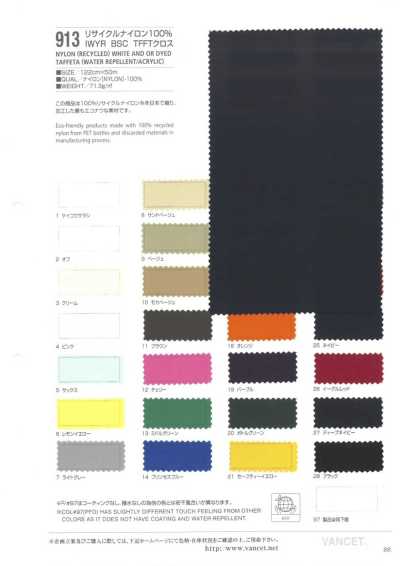
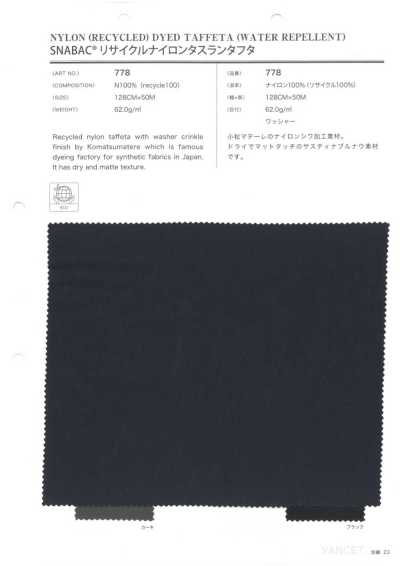
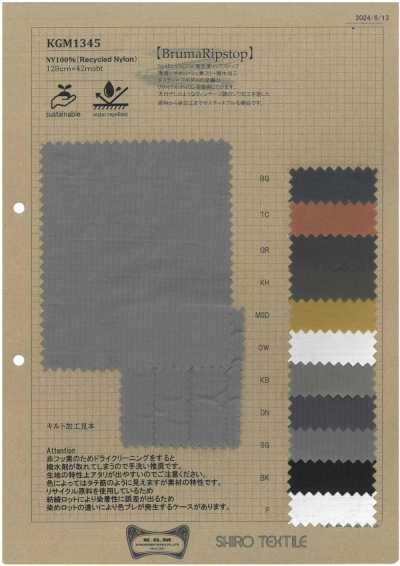
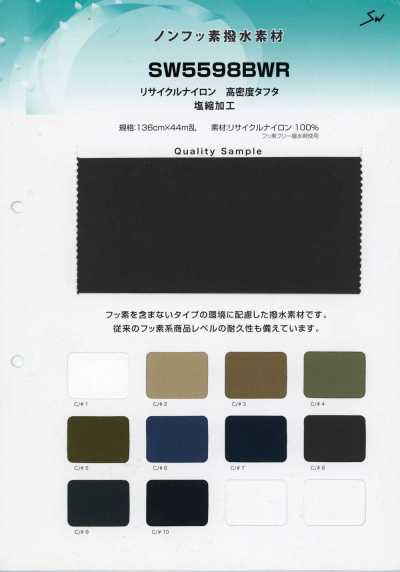
Recycled Nylon
Recycled nylon is a nylon material made using part or all of recovered nylon products and production scraps as raw materials.
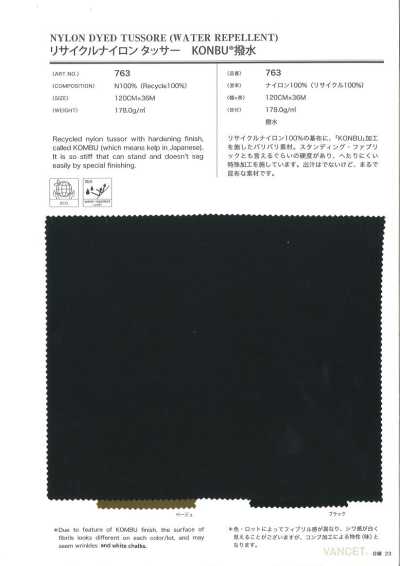
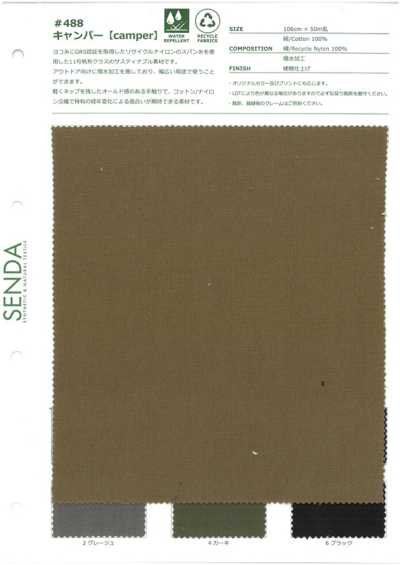
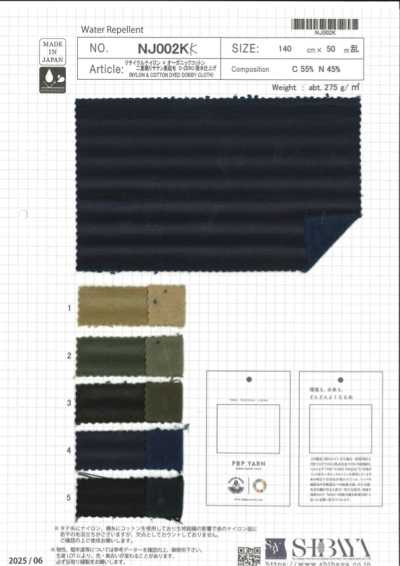
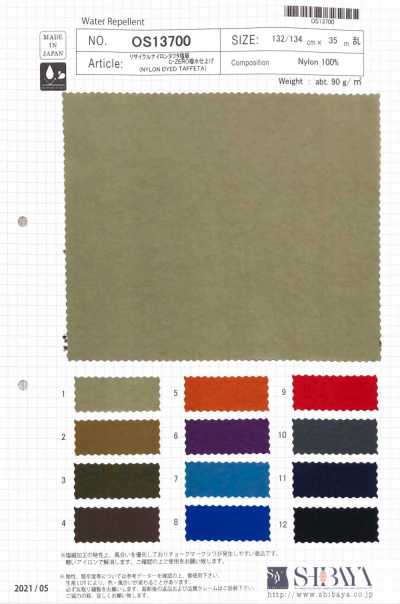
Contents5 sections
Definition and Overview
Recycled nylon is a material made by collecting used products, discarded fishing nets, and production scraps, then reusing them as nylon raw material. There are methods that physically reuse the collected material and methods that return it to the raw-material level before use, and the origin of the material and the process differ depending on the material.
“Recycled” is a term that indicates the origin of the raw material, and it does not refer to structures such as woven or knit, fabric names such as taffeta or twill, or functions such as water repellency. There are also textiles that use recycled nylon for part of the warp or weft and are union fabric with other fibers such as cotton.
Features
As with ordinary nylon, it can be used to design textiles that make use of lightness, strength, and suppleness. Filament yarn tends to create a smooth, clear surface, while textured yarn and high-density woven fabrics can also provide firmness, a dry touch, and moderate fullness.
Appearance, texture, tear strength, stretchability, and water repellency are not determined only by being made from recycled material. They vary greatly depending on yarn thickness and shape, weave or knit structure, density, blending ratio, and finishing. When making claims related to environmental consideration, confirm the recycled material content rate and whether certification is in place on a case-by-case basis.
Main Applications
It is used for blousons, coats, pants, sportswear, outdoor wear, bags, and more, taking advantage of its light weight and durability. It offers a wide range of design options from thin to thick textiles, and is not a material limited to a particular season on its own. It should be used differently depending on the required performance, such as for lining, outer fabric, or pocket lining.
For uses that combine water-repellent finishing with high-density plain weave or ripstop, it is easier to add protection against rain and dirt. However, since water-repellent finishing may lose performance through use and washing, confirm the properties of the material itself separately from the performance of the finishing.
- Outerwear, blousons, and lightwear
- Sports and outdoor clothing
- Apparel accessories such as bags and pouches
- Union fabric and blended textiles with cotton and other fibers
Selection and Handling Notes
When selecting, check not only the recycled material content rate, but also the blending ratio, fabric weight, density, structure, surface feel, and required strength. Depending on the application, it is also reassuring to check test values such as tear strength, abrasion strength, air permeability, and water repellency. Differences in color and texture from lot to lot should be confirmed with samples before mass production.
Nylon is prone to deformation from heat, so care is needed with temperature conditions for irons, presses, and dryers. Shrinkage and dimensional change caused by washing vary depending on the structure, blended fibers, and finishing conditions, so a washing test should be conducted in advance. Prioritize the care label and the handling conditions from the textile supplier.
In sewing, thin textiles and high-density textiles may show needle holes, seam shrinkage, and puckering. Adjust the needle point, needle size, thread thickness, stitch density, and thread tension to match the textile through test sewing. For water-repellent products, also check water penetration from needle holes and the seam specification.
Frequently Asked Questions
What is the difference between recycled nylon and regular nylon?
The main difference is the origin of the raw material. Recycled nylon uses recovered material, but whether strength, luster, texture, and durability are the same as regular nylon depends on the raw material, manufacturing method, and the design of the yarn and textile. Check the performance required for the application individually.
Does recycled nylon shrink when washed?
The degree of shrinkage and dimensional change cannot be determined by the recycled raw material ratio of nylon alone. Woven or knit structure, blended fibers, dyeing and finishing processing, and washing conditions all have an effect. Test it with the actual washing method before mass production and decide on specifications suitable for the product care label.
Does recycled nylon have water repellency?
Being recycled nylon does not in itself mean it is water-repellent. Water repellency is given not only by the structure of the yarn or textile, but mainly through finishing. If needed, check the type of water-repellent finishing, initial performance, performance after washing, and the durability required for the application.