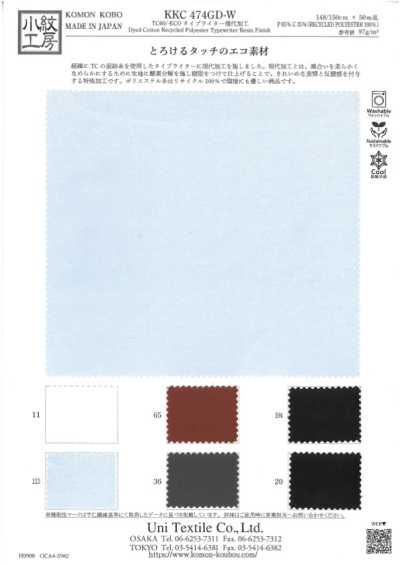
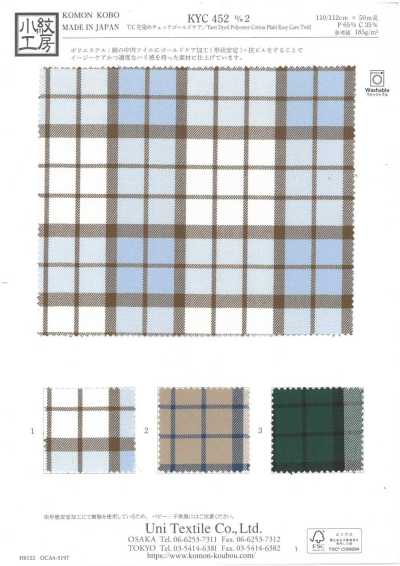
Resin Finish
Resin finishing is a finishing process that applies resin to textile to fix the fibers and weave structure, adjusting body, resilience, wrinkle resistance, and dimensional stability.
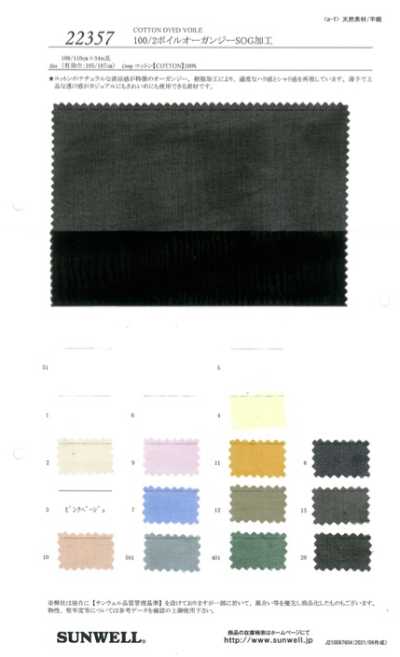
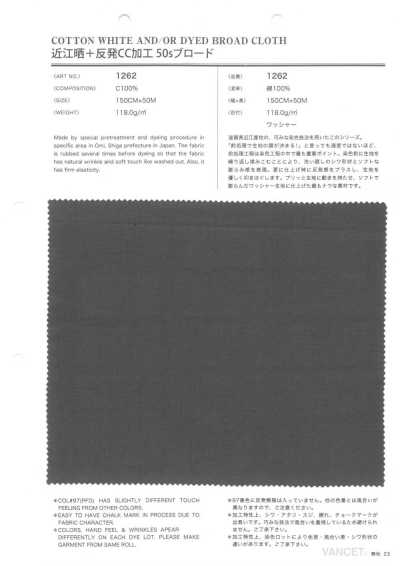
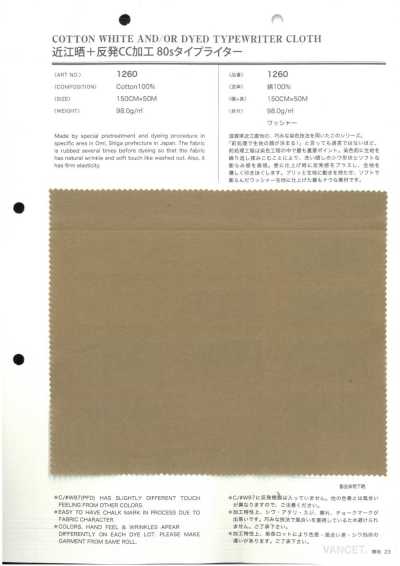
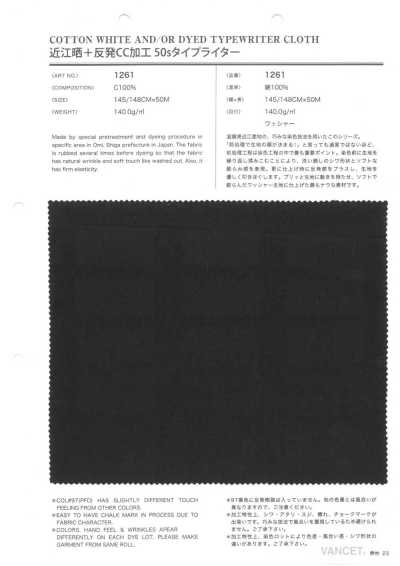
Contents6 sections
Definition and Overview
Resin finishing is a finishing process that applies a treatment agent containing synthetic resin, etc. to textile and fixes it between fibers and on the fiber surface through drying and heat treatment. Rather than changing the material itself, it adjusts the hand and performance through finishing.
The finish varies greatly depending on the type of treatment agent, amount applied, target fiber, and heat-treatment conditions. For this reason, the term “resin finishing” alone does not allow you to judge the resulting function or wash durability uniformly.
Features
In general, it is used for cellulose fibers such as cotton to give body and resilience and to reduce wrinkling and deformation. It may also make the textile feel denser and the surface smoother.
On the other hand, depending on the degree of treatment, the textile may become stiff, drape may decrease, and the feel of breathability and water absorbency may change. With repeated washing and wear, the original hand and effects may also weaken.
- Easy to add body, resilience, and springiness
- Used to improve wrinkle recovery and dimensional stability
- May improve surface smoothness and appearance
- Depending on the processing conditions, attention may be needed for stiffness, yellowing, and reduced strength
Main Applications
For shirt and blouse fabrics, it is used to create a neat appearance and reduce the burden of ironing. For pants, skirts, uniforms, and similar items, it is adopted when a shape-retaining hand is desired.
It can be applied from lightweight to heavyweight fabrics, but the applications are determined by the fabric design and the desired hand. It is not a process limited to a specific season; it is used from spring/summer items to year-round products when a light, crisp look and a neat appearance are desired.
Selection and Handling Notes
When selecting, check not only the processing name but also the material blend ratio, hand, shrinkage after washing, wrinkle recovery, strength, and whether yellowing occurs, using actual samples. Especially for products that touch the skin, evaluate changes in stiffness and water absorbency against the planned design intent.
Before sewing, check shrinkage and puckering on textile processed under the same conditions as mass production, and consider pre-treatment such as hot-water scouring if necessary. High-temperature ironing and pressing may cause changes in hand, shine, or discoloration, so confirm the temperature, time, and pressing cloth conditions in advance.
For home laundering, follow the care label instructions on the product. Strong friction, excessive high-temperature drying, and bleaching may affect the processing condition, so set the care method based on the fabric maker's handling information and the results of product testing.
Differences from Similar Terms
Dimensional stability finishing is a treatment whose main purpose is to suppress wrinkles and deformation after washing and make the appearance easier to maintain. Resin finishing may be used as one means of achieving this, but the purpose of resin finishing also extends to giving hand, among other effects.
Shrink-resist finishing is a treatment that focuses on suppressing dimensional changes caused by washing and similar processes. It may be used together with resin finishing, but fabric that has undergone resin finishing does not necessarily have shrink-resistance. Softening finishing is a finish that adds softness and slipperiness, and its aim may differ from resin finishing, which adds body.
Frequently Asked Questions
Does fabric with resin finishing always resist wrinkling?
Not necessarily. Some resin finishes are intended to add body and improve surface feel, and wrinkle recovery depends on the treatment agent, processing conditions, fiber type, and structure. When dimensional stability is required, check the appearance after washing through an actual sample test.
Does resin-finished fabric need shrinkage testing before sewing?
Yes. Even if it has been processed, dimensions and hand may change through washing, steam, or pressing. Before mass production, process the fabric under the expected conditions and determine the pattern and sewing conditions after checking shrinkage, twisting, puckering, and compatibility with interfacing.