Saxony
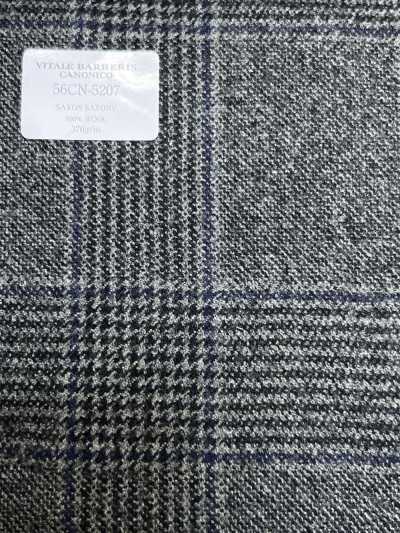
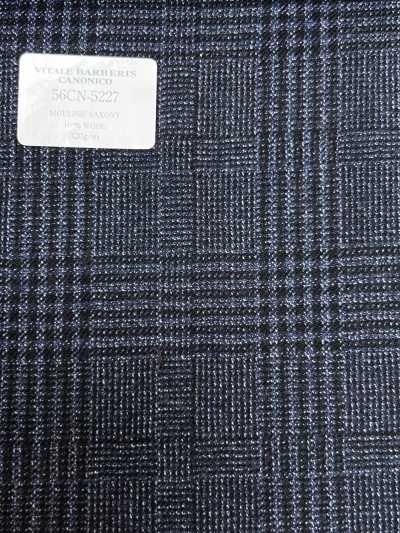
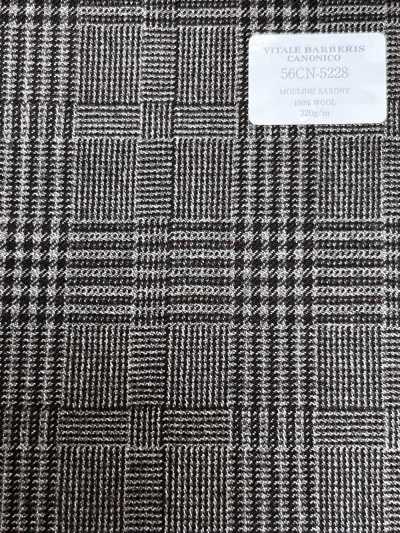
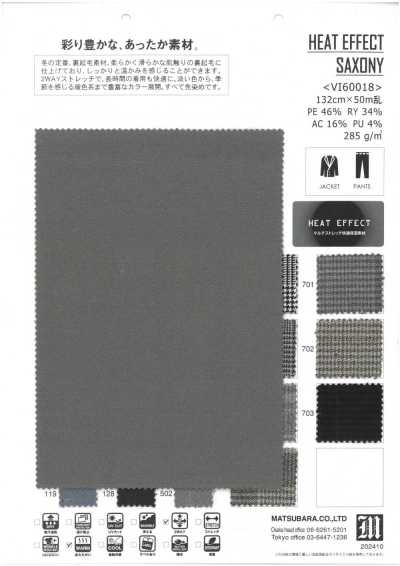
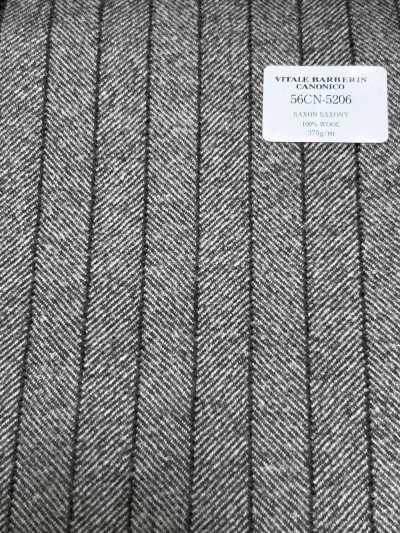
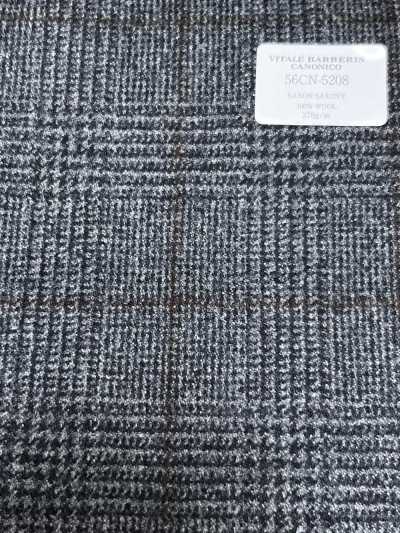
Saxony is a wool woven fabric used for autumn and winter suit fabrics, woven mainly from worsted yarn and given a smooth surface and moderate loft through light fulling and brushing.
![39535-50 26AW HERDREX [SAXONY] Saxony Gray Solid](/img/item/thumb/YX/1103666_t2.jpg)
Contents6 sections
Definition and Overview
Saxony is a wool textile made mainly from fine worsted yarn. The woven textile is subjected to fulling and light brushing, and the fibers are combed to give it an elegant, smooth surface with a weave that does not stand out too strongly.
However, Saxony is not a standard name that strictly limits the material, structure, and finishing to a single set of specifications. Its properties vary depending on the blend ratio of raw materials, the weave structure, and the degree of brushing, so the blend ratio, fabric weight, weave structure, and finish are checked individually during planning.
Characteristics
In general, the surface is covered with fine fibers and has a calm luster and a soft appearance. It often does not show the nap as strongly as flannel, and while maintaining a relatively neat look, it can express the warmth characteristic of wool.
It has moderate fullness and firmness, and is known for looking good when tailored. On the other hand, thickness, stiffness, and drape vary depending on yarn thickness, density, and the degree of fulling. It ranges from lightweight clothing to sturdy suits.
Main Applications
It is used for jackets, slacks, skirts, dresses, suits, and more. Because it easily combines a neat appearance with a soft hand, it is widely used from business wear to polished casual wear.
Its warmth comes from the nature of wool and the fullness of the textile, so it is mainly for fall and winter. Thin types can also be used during seasonal transitions, but the wearing season is determined according to fabric weight, whether there is a lining, and the design.
How to Choose and Handling Precautions
Depending on the application, check the blend ratio, fabric weight, stretch, and amount of surface nap. For pants, it is important to confirm in advance through sampling whether there will be shine or pilling in high-friction areas, and for jackets, whether the material works well with the interfacing and how the seams settle after sewing.
Saxony, which is mainly wool, may shrink or felt with water washing, and the nap may become uneven due to friction. Wash according to the product care label, and before sewing, perform pre-shrinking or hot-water treatment if necessary, and align the nap direction when cutting.
- If strong pressing on the brushed surface causes shine, use a pressing cloth and steam.
- If seam allowances tend to become bulky, check finishes such as open seams or pressed-to-one-side seams during sampling.
- For dark-colored items, also check for color transfer and whitening caused by friction.
Differences from Similar Terms
Flannel is a wool textile that generally has a more pronounced brushed feel and a softer, warmer appearance. Saxony may refer to a textile with a more restrained nap and a smoother surface than flannel, but the terms overlap in commercial use.
Gabardine is a high-density twill fabric in which the diagonal weave is readily visible, so the appearance of the structure differs from Saxony. Saxony is not a name for a weave structure; it is used mainly as a term describing the finish and hand of wool fabric.
Frequently Asked Questions
How is Saxony different from flannel?
Can Saxony be washed at home?
Because wool-based Saxony may shrink or change hand when washed with water, whether it can be washed at home cannot be determined from the material name alone. It also depends on the blend ratio, finishing, and sewing specifications. For products, always follow the care label, and during planning, confirm with washing tests.