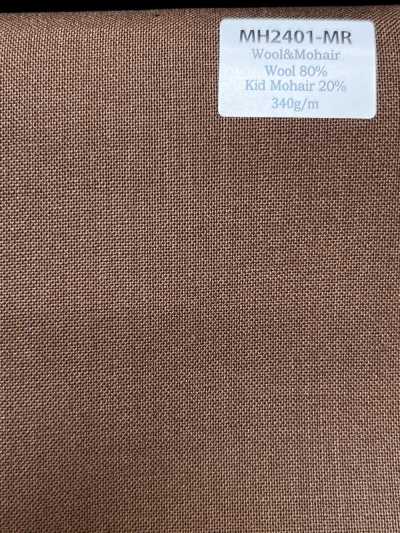
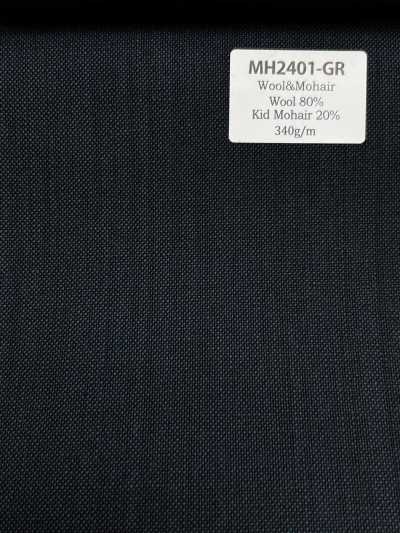
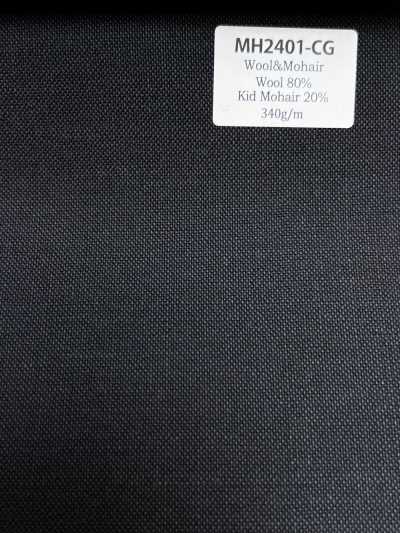
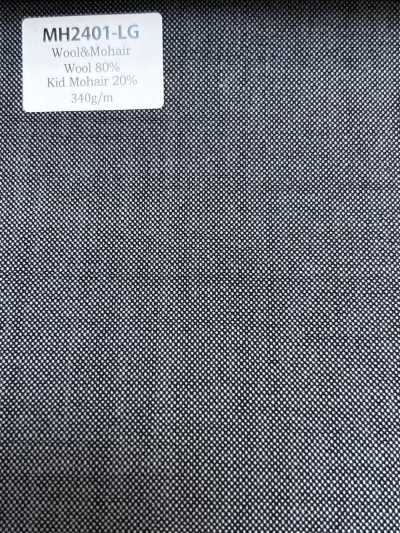
Worsted
Worsted refers to the process of removing short fibers and impurities from wool, aligning the fibers in parallel, and mainly spinning them into fine, even worsted yarn, as well as the general term for that yarn and material.
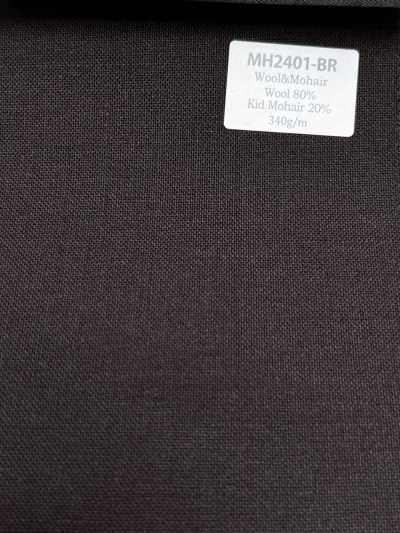
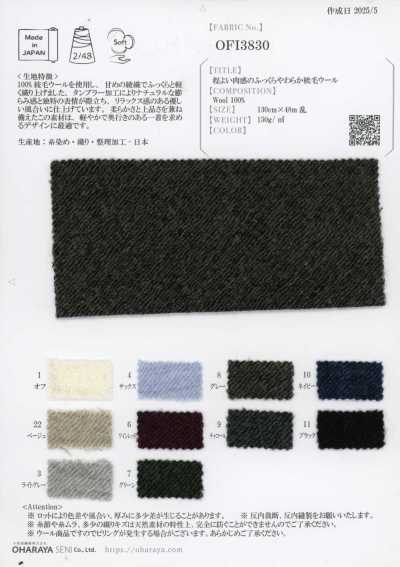
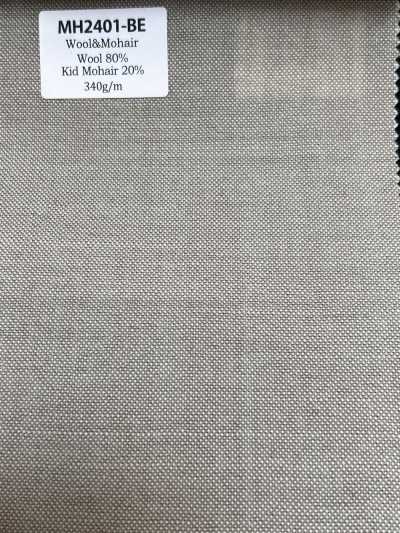
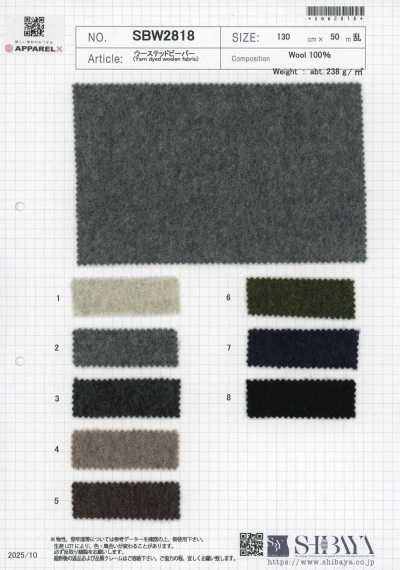
Contents6 sections
Definition and Overview
Worsted is a method in which wool is subjected to the worsted process, removing short fibers while generally aligning the long fibers in parallel. The worsted yarn obtained through this process tends to have little fuzz and a well-balanced appearance.
Worsted does not refer to a weave structure name or a textile name, but mainly to the spinning method for wool and the yarn made by that method. By weaving worsted yarn into plain weave, twill, and other constructions, and combining it with different finishing methods, a wide variety of worsted fabrics can be made.
Texture and Function
Textiles made with worsted yarn tend to have a relatively smooth surface and a neat appearance with reduced fuzzing. Because they are also easy to spin into fine counts, they are suitable for expressing a clean texture from lightweight to medium-weight fabrics.
The moisture absorption and release properties and warmth retention of wool depend on the type of raw material, blend ratio, yarn count, density, and finishing process. Since being worsted alone does not determine performance such as breathability, stretch, or wrinkle resistance, the fabric specifications and test values should be checked.
Main Applications
Worsted fabric is used for items that require a clean surface and a refined tailored look, such as jackets, suits, slacks, skirts, and dresses. Relatively light worsted fabrics are also used for spring and summer clothing.
Even within worsted fabrics, the feel of wear changes greatly depending on yarn thickness, weave density, construction, and finishing. There are types ranging from those that emphasize lightness and breathability to those that increase density to create a sharp silhouette, and the fabric itself is selected according to the application.
- Jackets and suits
- Slacks and pants
- Skirts and dresses
- Uniforms and formalwear
Selection and Handling Notes
When selecting, do not judge only by the worsted label; check the blend ratio, fabric weight, density, construction, stretch, and finish. For jackets and pants, it is important to confirm through swatches and prototypes whether the fabric has the required firmness and recovery and whether it matches the sewing specification.
Worsted fabrics containing wool may shrink, change texture, or felt due to washing or the effects of moisture and heat. Follow the product care label, and before mass production, carry out washing tests and confirm the shrinkage rate.
In sewing, the iron temperature and amount of steam may cause pressing marks or shine. Check seam allowance thickness, compatibility with interlining, and pressing conditions in advance, and make use of a pressing cloth and test pressing.
Difference from Woolen
Woolen is a spinning method that also makes use of short fibers, and it differs from worsted in that it tends to create loft, fuzziness, and a rustic appearance. Because worsted fibers are aligned, the surface is generally smoother and the outline tends to look more orderly.
However, the difference between worsted and woolen is a basic difference in yarn production, and it cannot be used to uniformly compare the thickness or warmth of final products. Raw material, twist, weaving or knitting, and finishing such as fulling or brushing are also taken into account.
Frequently Asked Questions
Do worsted and wool mean the same thing?
Wool refers to the fiber material itself, while worsted refers mainly to the method of spinning wool, or the yarn and fabric made by that method. Therefore, worsted is one category related to wool, and not all wool products are worsted.
Can worsted fabric be washed at home?
Whether it can be washed cannot be determined by whether it is worsted alone. Because the risk of shrinkage and distortion varies depending on the wool blend ratio, processing, and sewing specifications, always check the product care label. For planning, it is important to carry out washing tests on the actual item.