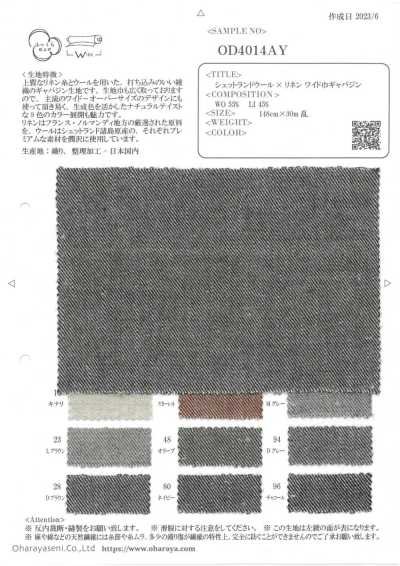
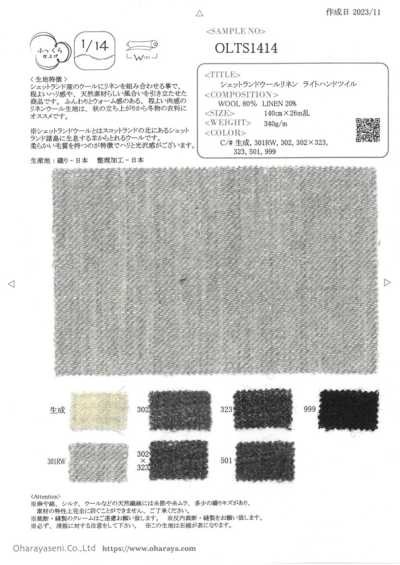
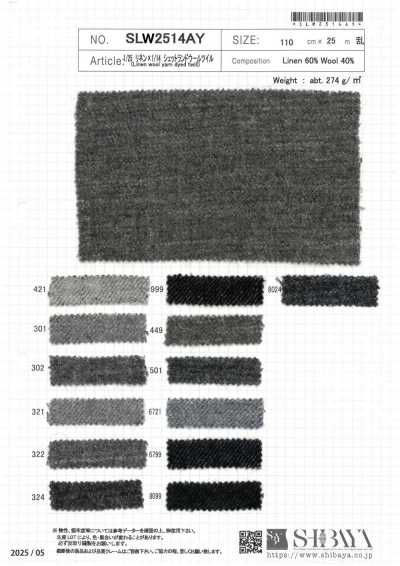
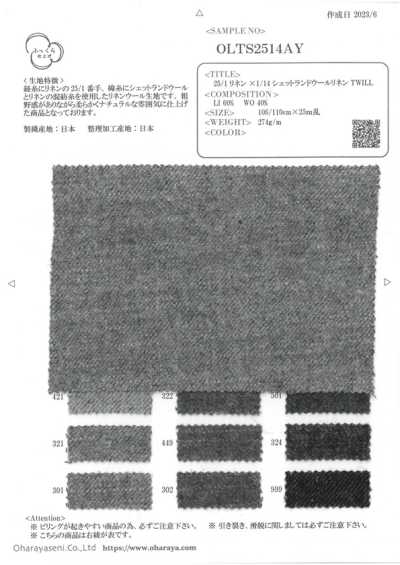
Shetland Wool
Shetland wool is wool obtained from Shetland sheep, native to the Shetland Islands, and is characterized by its lightness and a rustic, resilient texture.
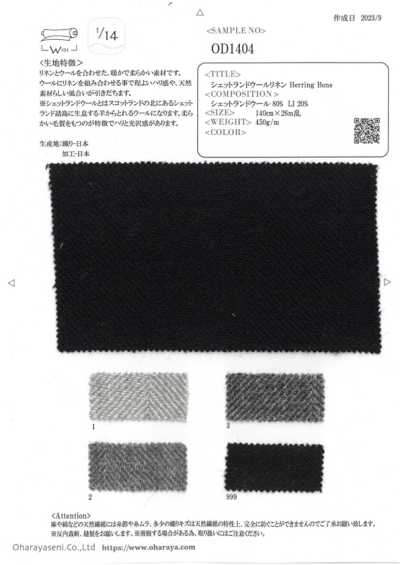
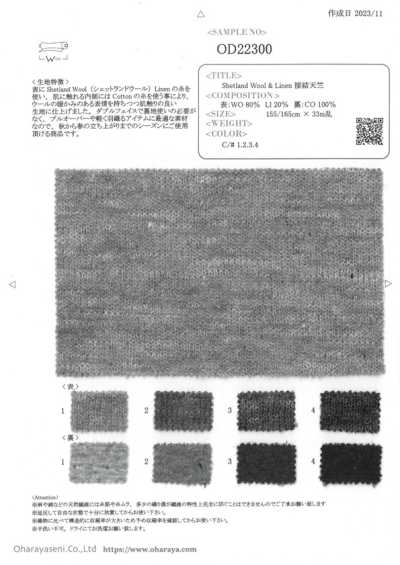
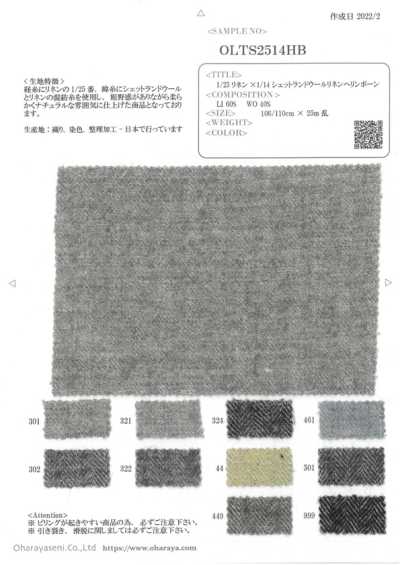
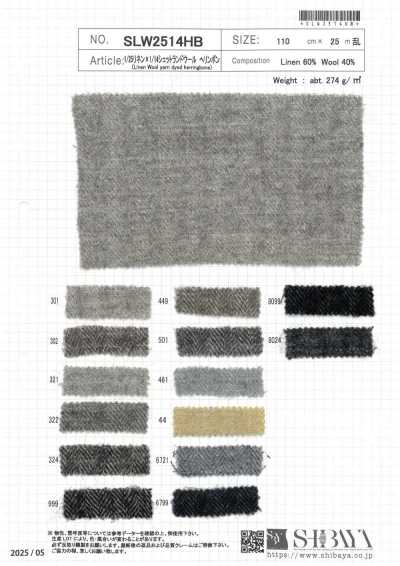
Contents6 sections
Definition and Overview
Shetland wool is wool from the Shetland breed of sheep, native to the Shetland Islands north of Scotland. There are individual differences in fiber fineness, color, and texture, and it is generally characterized by natural wool color and a rustic, slightly dry appearance.
It is not the name of a fabric structure or processing method, but a material name derived from the breed and origin of the sheep used as the raw material. However, it is sometimes used in distribution to describe a Shetland-like texture, so check the blend ratio and material labeling.
Characteristics and Appearance
Its bulky structure, which traps air easily, provides a relatively light feel and warmth retention. It has resilience, and in knits it readily creates a full appearance, while in woven fabrics it gives a warm, casual impression.
Because of the pile length and fiber thickness, it may feel firmer or slightly itchy against the skin compared with fine wools such as merino wool. It is also well suited to natural colors, heathered looks, and brushed textures.
- It is a material that makes lightness and fullness easy to take advantage of.
- It offers warmth and is used in autumn and winter products.
- It readily creates a rough, rustic look, while the hand feel varies by product.
Main Applications
It is often used for knit products such as sweaters, cardigans, and vests. It is also suitable for cold-weather items such as jackets, coats, scarves, hats, and gloves, and is used in autumn and winter casual wear and traditional-style projects.
In addition to being used on its own, it is sometimes blended with other wool or synthetic fibers to adjust hand feel, strength, dimensional stability, and cost. Depending on the application, check the density, thickness, and finishing method of the knit or woven fabric.
How to Choose and Handling Precautions
When selecting it, check not only the composition label but also fuzzing, thickness, fabric weight, itchiness, and dimensional changes after washing through swatches or prototypes. For items that touch the skin directly, differences in skin feel caused by blending and knit structure are also important.
Wool can shrink or felt under the influence of moisture, heat, and friction. Follow the washing instructions on the product label, and if home laundering is expected, confirm in advance whether shrink-resistant processing has been applied and the results of washing tests.
In sewing, thick knits and brushed woven fabrics tend to bulk up at seam allowances, so adjust seam finishing and pressing conditions. Since steam and heat can change the texture, test on offcuts before working.
Differences from Similar Terms
Wool is a general term for all sheep wool, and Shetland wool is wool derived from the Shetland breed among them. Merino wool is known for its fine, supple fibers and generally has a different texture from Shetland wool.
Tweed is a general term for a woven fabric mainly made with coarse spun yarns and is not a material name. Shetland wool may be used in tweed, but the two are different classifications: one is a raw material and the other is a fabric type.
Frequently Asked Questions
Is Shetland wool itchy?
When the fibers are relatively firm, it may feel more irritating than fine wools such as merino wool. However, the feel changes greatly depending on the raw material selection, blend ratio, spinning, knitting method, and finishing. For products that touch the skin directly, confirming the actual item and performing wear tests are important.
Does Shetland wool shrink when washed?
Unshrinkable wool can shrink or felt due to moisture, heat, and friction. Whether it can be washed at home cannot be determined from the material name alone. Check whether shrink-resistant processing has been applied and the product's washing label, and at the planning stage evaluate the shrinkage rate and appearance changes through washing tests.
What is the difference between Shetland wool and tweed?
Shetland wool is the name of a wool raw material, while tweed is the name for a coarse-looking woven fabric made with thick yarns, among others. Tweed can be made using Shetland wool, but they do not mean the same thing. When selecting materials, check the raw material and fabric specifications separately.