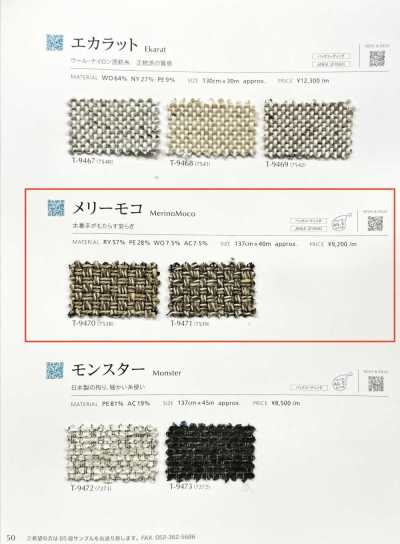
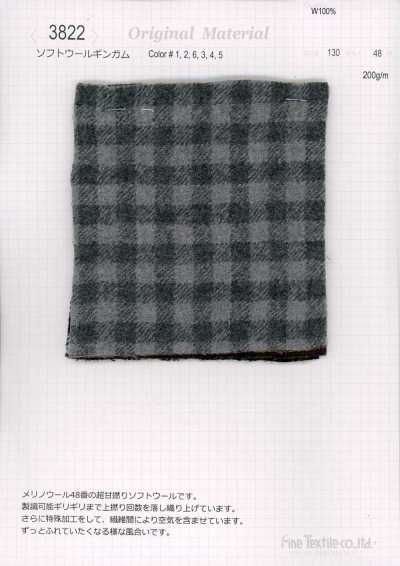
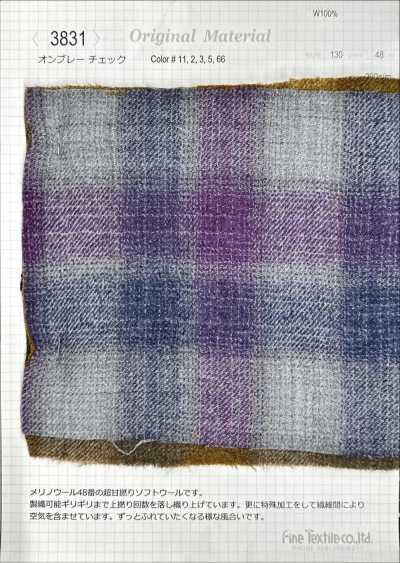
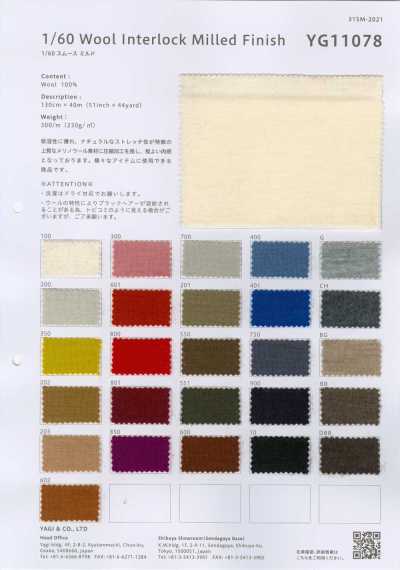
Merino Wool
Merino wool is wool collected from Merino sheep, a material with a soft hand feel from its fine, supple fibers and with moisture absorption/release and heat retention properties.
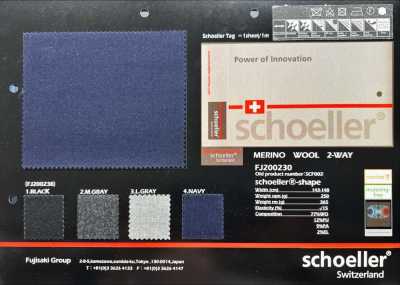
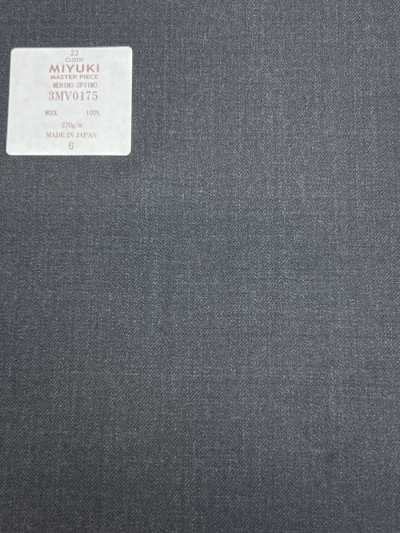
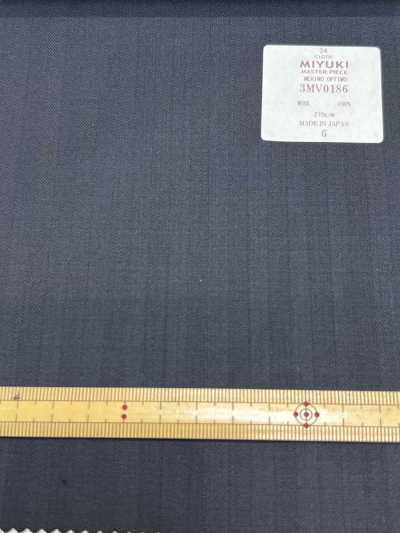
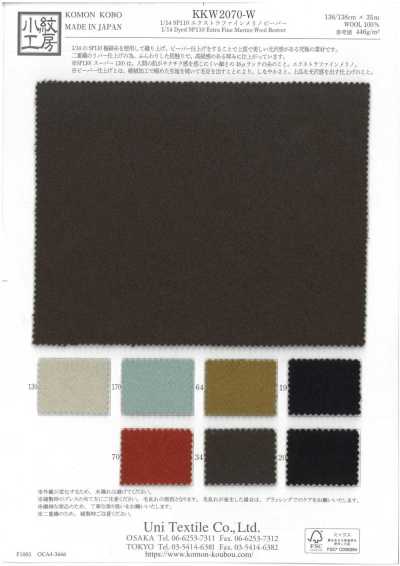
Contents6 sections
Definition and Overview
Merino wool is an animal fiber obtained from Merino sheep. It is a type of general wool, but it is characterized by relatively fine fibers and a soft feel against the skin. It is used in both woven and knitted fabrics, and its appearance and applications vary greatly depending on yarn thickness and processing.
“Merino” is a material name derived from the breed of sheep, not a term that indicates weaving or knitting method. Also, even when labeled as merino wool, the fineness of the fiber, blend ratio, spinning method, and finishing process differ from product to product.
Texture and Function
It is supple and resilient, and combed yarn tends to create a smooth, refined surface, while woolen yarn tends to create a fuller, warmer look. Those made with fine fibers finish with a delicate appearance that suppresses fuzziness.
Wool has the property of absorbing and releasing moisture, and it is used as a material that helps regulate the environment inside clothing. In addition, the air layer created by the crimp of the fibers contributes to thermal insulation. The level of performance varies depending on the yarn, structure, fabric weight, blend material, and processing, so it is important not to judge by the material name alone.
Main Applications and Seasons
Lightweight merino wool is used for knits, cut-and-sew garments, innerwear, shirts, cardigans, and more. Taking advantage of its soft feel against the skin and moisture-regulating properties, it is also suitable for layered items.
From medium-weight to heavy-weight fabrics, it is used for sweaters, dresses, pants, jackets, suits, coats, and more. For spring and summer, thin fabrics knitted or woven with fine yarn counts are often chosen, while for autumn and winter, fabrics with more body and a brushed feel are commonly selected.
Selection and Handling Notes
When selecting, check not only the merino wool label but also the blend ratio, fabric weight, structure, thickness, stretch, care label, and shrinkage rate. For uses that come into direct contact with the skin, touch the actual fabric to check for itchiness, and compare blended products with nylon or polyester as needed depending on the application.
Wool may shrink or felt under conditions of moisture, heat, and friction. Always follow the care label for washing and ironing, and avoid strong rubbing, high-heat drying, and excessive friction. It is easier to prevent loss of shape by reshaping while wet and laying flat to dry.
Before sewing, carry out straightening and testing under the same assumed conditions as mass production, and check shrinkage and skew. Since knitted fabrics stretch easily, sewing conditions that prevent seam stretching and measures to stop stretching need to be considered. Use a pressing cloth and appropriate temperature settings to prevent shine and pressing marks from ironing.
Differences from Similar Terms
Wool is a general term for all sheep wool, while merino wool is sheep wool derived from Merino sheep. Lambswool, on the other hand, generally refers to the wool first sheared from a sheep after birth, and its classification basis differs from merino, which indicates the breed of sheep.
Cashmere, mohair, and alpaca are also animal fibers, but each comes from a different animal. Since they differ in texture, luster, hair length, strength, and thermal insulation, use them by checking fabric swatches and quality test results as well as the material name.
Frequently Asked Questions
Can merino wool be washed at home?
Whether home washing is possible depends not on the fact that it is merino wool, but on the fabric structure, blended materials, shrink-resistant finish, and product specifications. Check the care label, and even when home washing is possible, the basics are to use a neutral detergent, reduce friction, reshape the item, and lay it flat to dry.
Is merino wool less itchy?
Merino wool often has relatively fine fibers and tends to feel softer than ordinary coarse wool. However, sensitivity varies by person, and it also depends on fiber fineness, fuzz, yarn structure, knitting structure, and finishing, so actual inspection is necessary according to the intended use.
What should be noted when sewing merino wool?
Before cutting, check the shrinkage rate and grain direction, and especially with knitted fabrics, it is important to prevent seam stretching and waviness. Determine the needle, thread, and feed settings suitable for the fabric through test sewing, and use stretch-stabilizing tape if necessary. For pressing, use a pressing cloth and avoid pressing too hard, which can cause marks and shine.
- Search products for "Merino wool"
- Products with material "Wool"
- Products for style "For Innerwear"
- Products for style "For Shirts/blouses"
- Products for style "For Outerwear/blousons/coats"
- Products for style "For Jackets/Suits"
- Products for style "For Sports"
- Products for style "Outdoor"
- Browse Textile products