Tarpaulin
Tarpaulin is a durable sheet material made by coating or laminating a woven base fabric, such as textile, with synthetic resin to give it weather resistance and water resistance.
Contents6 sections
Definition and Overview
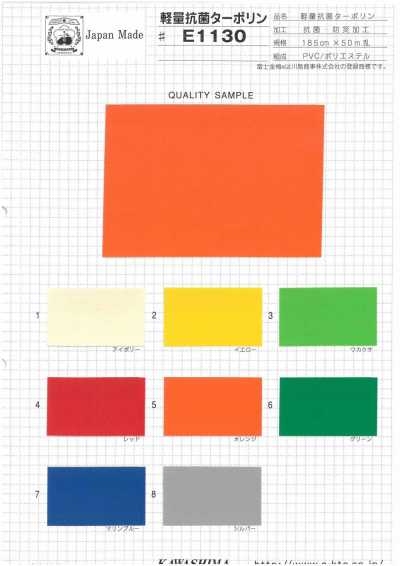
Tarpaulin originally refers to a durable sheet with waterproof properties. In apparel and materials fields, it usually refers to a material made by using woven fabric such as polyester as the base fabric and coating the surface with resin such as polyvinyl chloride (PVC).
The type of base fabric, type of resin, surface treatment, and thickness vary by product. Therefore, the name tarpaulin alone does not allow a uniform judgment of performance such as flexibility, water resistance, weather resistance, or flame retardancy.
Features
The surface has the smoothness and gloss unique to resin, or a matte texture, and it has more firmness and body than ordinary woven fabric. Some types show the weave structure on the surface, while others are embossed to create a leather-like or fabric-like appearance.
It is resistant to water penetration and easy to wipe clean. On the other hand, breathability and absorbency are not expected, and when used for clothing, it is necessary to confirm issues such as stuffiness, stiffness, and the feel against the skin at the specification stage. Some materials also become stiff at low temperatures or are stressed at folded sections.
- Check water resistance, including the specifications of the resin layer and seam treatment.
- For outdoor use, check lightfastness and weather resistance test data.
- Surface scratches, creases, and the tendency to whiten vary depending on color and processing.
Main Applications
It is used in applications that require water resistance and strength, such as signs, protective sheets, tents, rain covers, partitions, and bags. In the apparel field, it is used not only for fashion accessories such as bags, pouches, and belts, but also in partial applications for rainwear and outdoor items.
It is used year-round, but in clothing it is well suited to designs intended for rainy weather or outdoor activities. Because using it over the entire garment affects wear comfort due to its weight and stiffness, it is also designed to be used only in selected areas such as panels, pockets, and reinforcement sections.
Selection and Handling Notes
When selecting it, check the base fabric, type of resin, thickness, fabric weight, width, surface gloss, and flexibility. Depending on the application, it is important to define required performance such as tensile strength, tear strength, water pressure resistance, and lightfastness, and to conduct prototype evaluations under conditions close to actual use.
With tarpaulin, attention is needed not so much for large shrinkage of the base fabric through washing, but for deterioration of the resin layer, surface scratches, peeling, and discoloration. Washability varies depending on the material composition and processing, so always follow the fabric care label and the method specified by the manufacturer.
In sewing, needle holes can reduce water resistance. For products that need to prevent water from seeping through the seams, consider seam sealing with seam tape or similar methods. Also, feed marks, presser-foot marks, needle holes, and creases may become noticeable, so check the needle, thread, and sewing conditions in advance using offcuts.
Differences from Similar Terms
Coating is the processing itself that forms a film of resin or similar material on the surface of the fabric. Tarpaulin often refers to a sheet material that has undergone such processing and emphasizes strength and water resistance, so its meaning range differs from coating, which is a processing term.
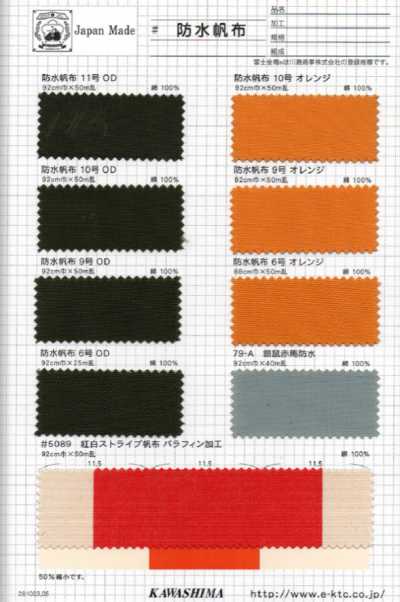
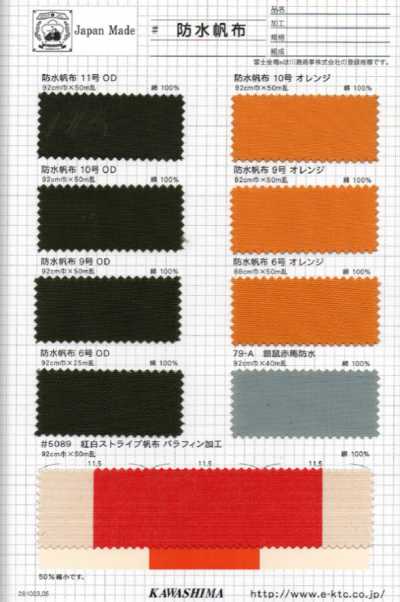
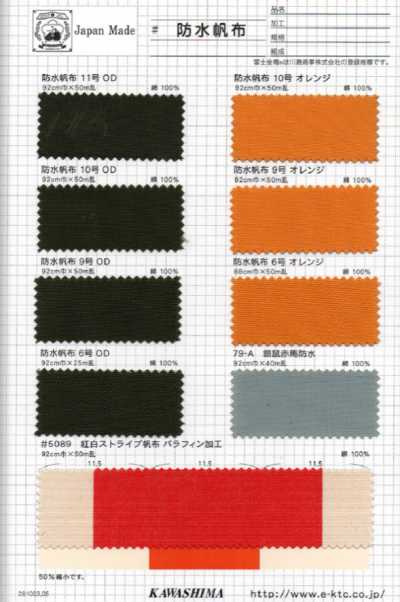
Lamination and bonding refer to processes and structures in which film or another material is laminated together. Some tarpaulins have a laminated structure, but not all laminated fabrics are tarpaulin. Canvas refers to a heavy woven fabric, and whether it has resin processing is a separate factor.
Frequently Asked Questions
Is tarpaulin a waterproof fabric?
Tarpaulin is generally a material that does not easily allow water to pass through, but waterproof performance varies depending on the base fabric, resin layer, thickness, and sewing specifications. Even if the fabric itself is waterproof, water may enter through needle holes in the seams. If waterproof performance is required for the product, check the water pressure resistance and seam sealing specifications.
Can tarpaulin be washed at home?
Washability is not the same for all products. The resin layer may be damaged by friction, heat, strong detergents, or a tumble dryer, causing peeling or cracking. First consider wiping off dirt with a soft cloth, and if washing is necessary, follow the care label and handling instructions specified for the fabric or product.