Tear Strength
Tear strength is the performance that indicates the strength of a fabric’s resistance to the spread of a tear when a cut or damage is pulled farther apart.
Contents6 sections
Definition and Overview
Tear strength is a measure of resistance to the spread of a tear that starts from a cut or damage in the textile. While tensile strength is the strength needed to pull the textile from both sides until it breaks, tear strength assumes a situation where a tear advances from a damaged area.
Factors Affecting Performance
Tear strength is determined by a combination of factors such as the type of fiber, yarn thickness and strength, weave or knit structure, density, and finishing processes. In general, if there are enough yarns to bear the tearing force and the structure allows the yarns to move moderately, the tear is less likely to spread.
However, a thick textile with a high fabric weight does not necessarily have high tear strength. Resin finishing that makes the hand feel stiffer, coatings, and surface laminates can affect how it tears depending on the application and structure. Check not only the numerical value but also the textile structure and actual use conditions.
Main Applications and Textile Selection
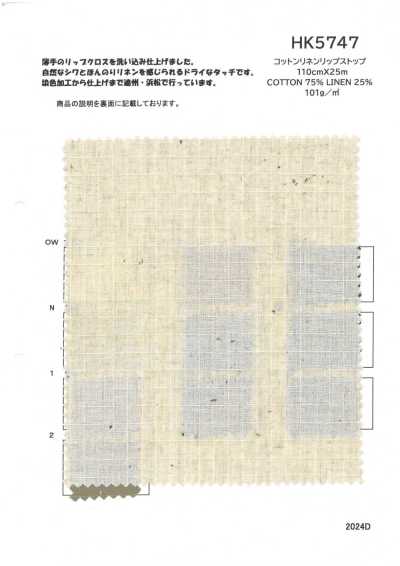
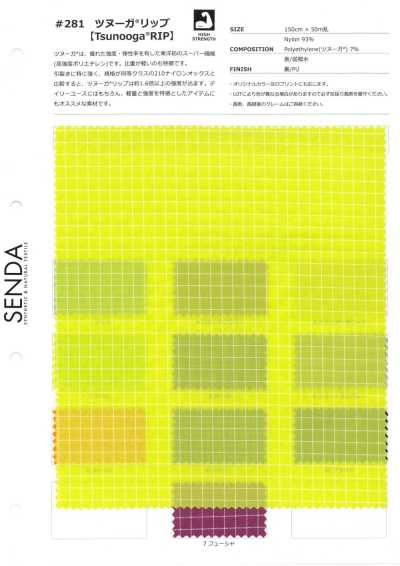
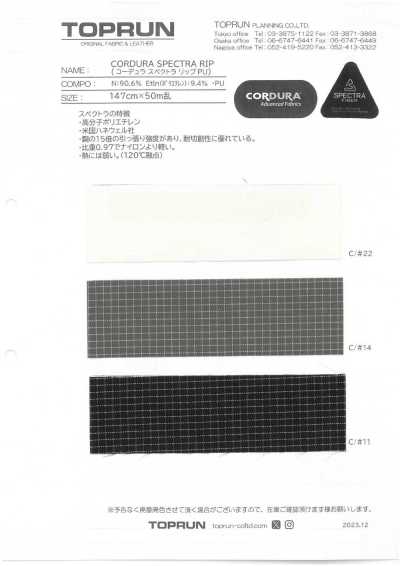
Tear strength is important for outerwear, pants, workwear, outdoor gear, bags, and other products that are easily subjected to snagging, friction, and bending. Ripstop, which arranges reinforcing yarns in a grid even in thin textiles, is a representative structure designed to suppress the spread of a tear if damage occurs.
During planning, consider the product's use environment, expected snagging, and areas that bear localized stress, such as pocket openings and crotch areas. For garments that prioritize lightness and softness, it is important to balance the required performance with the hand feel.
- Because results differ by warp and weft, or by the direction of the knit, check data in both directions.
- In addition to the performance of the textile alone, also examine the load on the finished product, including seams, trims, and reinforcing fabric.
Handling and Sewing Considerations
If fibers or finishes change due to washing, drying, chemicals, ultraviolet light, or abrasion, tear strength may decrease. Check shrinkage and care labels, and for product-washed items, confirm the condition of both the textile and the sewn areas before and after washing through testing or samples.
In sewing, needle holes and excessive resewing can become localized damage. For thin or high-density textiles, match the needle size, yarn thickness, and stitch density to the textile, and design the product so that tears do not spread from frayed seam edges or cut sections.
Differences from Similar Terms
Tensile strength is the resistance to breaking when an uncut specimen is pulled. Burst strength indicates resistance to being forced open in knit or bag-like parts that receive force from multiple directions. Abrasion resistance is resistance to surface wear caused by rubbing, and all of these evaluate different failure modes from tear strength.
Frequently Asked Questions
Can a textile with high tear strength be said to be hard to tear?
A textile with high tear strength can be said to resist the spread of tears from damage or cuts. However, resistance to yarn breakage caused by snagging, abrasion, seam failure, and holes are different performances. Depending on the application, also check tensile strength, abrasion resistance, burst strength, and more.
Should tear strength also be checked after washing?
For garments expected to undergo product washing or repeated washing, it is desirable to check. This is because shrinkage from washing and drying, changes in finishing, and deterioration of the fibers can alter performance and the way tears develop. Check both the textile and the sewn areas in a state close to the final washing conditions.