Textile Converter
A converter is a business that handles textile planning, sourcing, processing arrangements, and sales, connecting weavers and dyeing and finishing mills with apparel manufacturers and other buyers.
Contents6 sections
Definition and Overview
A converter is a business that plans and sells textiles by combining yarn, greige fabric, processing mills, and other resources, even when it does not weave/knit or dye fabric in-house. By leveraging the techniques of each production area and factory, it supplies textiles suited to different applications and price ranges.
It is sometimes called a textile wholesaler, but the term converter is used when the business also handles development of made-to-order textiles, production control, and quality inspection in addition to wholesale of stocked textiles. However, the name and scope of work vary by company.
Role in textile trading
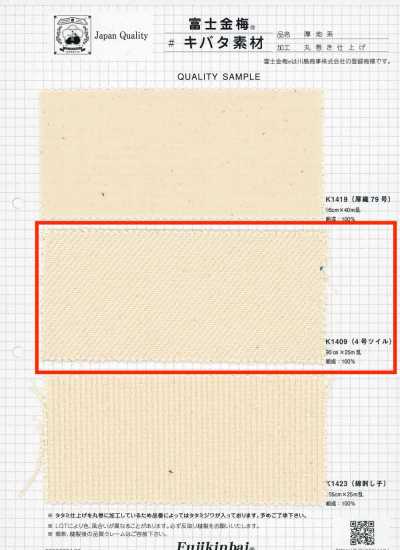
Apparel makers and designers check swatches and sample rolls during seasonal planning and consult a converter about arranging stocked items or made-to-order production. The converter selects the weaving mill, knitter, dyeing and finishing mill, and others that meet the requirements, and adjusts production conditions.
For made-to-order items, it organizes the material composition, structure, color, pattern, finishing, and quality standards, then connects them to production. During mass production, it manages the delivery schedule and lot size for greige fabric and serves as the contact point for greige inspection, defect notifications, and confirmation of whether additional production is possible, as needed.
- Planning proposals and textile design
- Arranging greige fabric and processing mills
- Checking color standards and lab dips
- Adjusting delivery dates, lot sizes, and quality conditions for mass production
- Selling and arranging shipment of stock rolls and sample rolls
Specifications and numerical guidelines to check
In business discussions, share not only the product number but also the blend ratio, structure, finish, fabric width, fabric weight, color number, and applications as specifications. It is important to confirm whether the width is the effective width or the full width including selvedges, and whether fabric weight refers to mass per unit area at the finished stage, so that comparison conditions are aligned.
For quantities, confirm not only the required yardage but also the minimum lot size, length per roll, whether the roll can be divided, and any excess length. Since the minimum lot size for made-to-order items and the lead time for sampling and mass production vary greatly depending on the material, processing, production area, and factory operating conditions, present the quantity and desired delivery date at an early stage of planning.
Points to note when placing orders
Do not make the final decision on color or hand feel based only on a screen image or a small swatch; if possible, check a sample roll close to mass production. Even with the same color number, color differences or differences in texture may occur depending on the lot, so for products expected to be reordered, also confirm the lot control method.
Before placing an order, put the order quantity, applicable unit price conditions, the date used to start counting the delivery period, cancellation conditions, acceptable fabric defects, and inspection standards in writing. For functional and quality conditions such as water repellency and colorfastness, agreeing on the required test methods and judgment criteria helps prevent misunderstandings.
Difference from a weaving mill
A weaving mill refers mainly to a producer that weaves fabrics. A converter differs in that it arranges dyeing and finishing on greige fabric woven by a weaving mill, and handles planning and sales as fabric. In knits, it may also work with businesses that perform knitting.
A converter does not always keep stock, and a weaving mill may also sell directly. When choosing a contact, confirm individually the stock sales, made-to-order support, available materials and processing, minimum lot size, and scope of quality control.
Frequently asked questions
What should I tell a converter first when ordering made-to-order fabric?
Tell them the intended use, desired fabric feel, blend ratio, color, pattern, processing, required quantity, and desired delivery date. In addition, organizing the quality conditions such as fabric width, fabric weight, and colorfastness, as well as the types of samples you want to check before mass production, makes it easier to confirm feasibility and quotation conditions.
Are a converter and a textile wholesaler the same?
They may overlap, but they are not completely synonymous. A textile wholesaler often refers to a business that wholesales textiles, while a converter tends to refer to a business that handles planning, arranging weaving mills and processing mills, made-to-order production, and adjustments to quality and delivery schedules. Confirm the actual scope of work with each company.