Tussar Silk
Tussar silk is a material made from silk obtained from cocoons produced by wild or semi-domesticated silkworms, and it is characterized by a rustic, crisp texture that makes use of slubs and natural color tones.
Contents6 sections
Definition and Overview
Tussar silk generally refers to silk made from wild silkworm cocoons. Compared with ordinary silk obtained from mulberry silkworms, it tends to show more variation in fiber thickness and color tone, and is used for applications that highlight the character of the material itself.
“Wild silkworm” refers to the silkworm’s growing conditions and the way the raw material is described; it is not the name of a weaving structure. Tussar silk textiles are woven in different structures, such as plain weave or twill, depending on their intended use.
Texture and Function
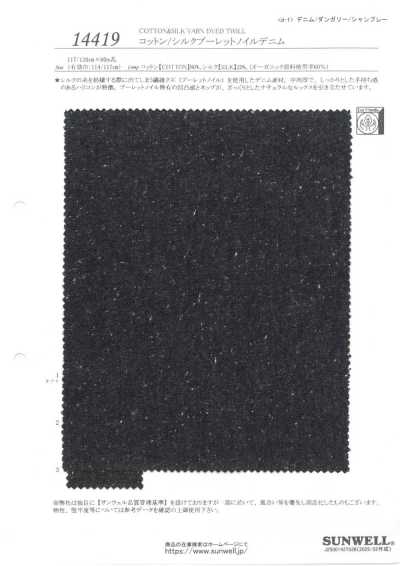
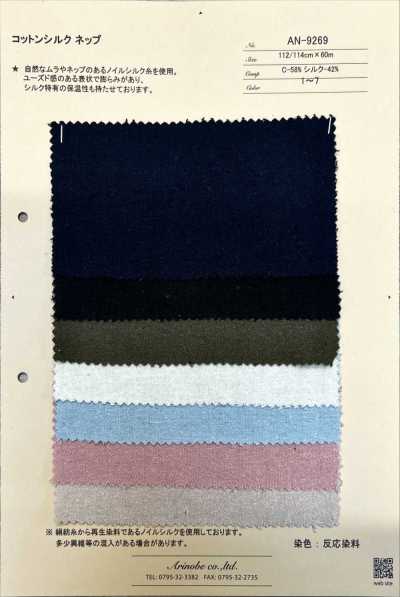
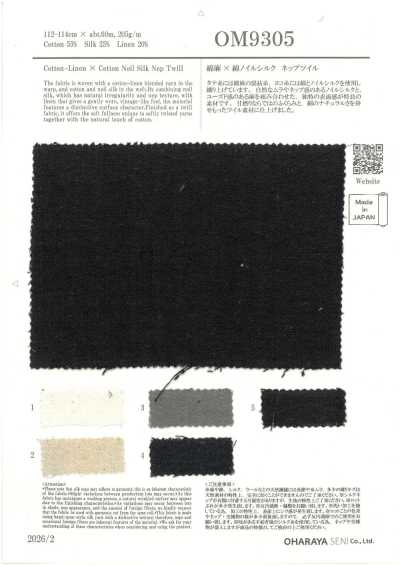
It is characterized by natural beige, brown, and yellowish tones, along with an uneven appearance like neps and slubs. Unlike the uniform, strong luster of ordinary mulberry silk, it has a subdued sheen and a rustic look typical of natural materials.
Depending on yarn thickness, twist, weaving density, and processing such as scouring and dyeing, the firmness, drape, and sheerness can vary greatly. Some products make use of a crisp hand, while others are thin and lightweight, so the texture should not be judged from the material name alone; it should be checked with a fabric sample.
- Neps and fiber slubs may be treated as part of the design.
- Due to natural color variation and yarn irregularity, the appearance may differ from roll to roll and lot to lot.
- Even though it is silk, the degree of luster and smoothness is not uniform like mulberry silk.
Main Uses and Seasons
It is used for blouses, shirts, dresses, skirts, jackets, and dresses. It is suitable for designs that show off the texture of the material and for natural, craft-like expressions. Depending on the weave and fabric weight, it may also be used for bags and interior applications.
Thin, breathable woven fabrics are suitable for spring and summer clothing, while denser or heavier fabrics are suitable for outer layers, jackets, and dress materials for year-round wear. Seasonal suitability should be judged not by the raw material name tussar silk, but by the fabric thickness, structure, and whether it has a lining.
How to Choose and Handling Notes
During planning, check the silk content in the composition label and evaluate fabric weight, sheerness, drape, the degree of neps, and dyeing uniformity. It is important to share in advance whether color irregularities and slubs derived from natural fibers are acceptable material characteristics or count as fabric defects, based on the product concept and inspection standards.
Washing with water may cause shrinkage, changes in texture, and color fading. Before production, carry out washing tests on the fabric together with the trims, and set the care instructions appropriate for the final product. In particular, for dark colors and color-blocked items, check for color transfer caused by friction or moisture.
During sewing, needle holes, puckering, and seam slippage may become noticeable. Choose a fine needle and thread suited to the fabric, and adjust the seam conditions with test stitching. Before cutting, align the grain line, and if necessary, plan the yardage allowance with shrinkage in mind.
Differences from Similar Terms
Silk is a broad term for all silk. Tussar silk is treated as silk from wild silkworms, and is characterized by natural color and slubby texture that differ from the uniform, smooth mulberry silk. However, the actual appearance changes depending on yarn production and processing.
Tsumugi often refers to woven fabrics or silk textiles made with slubbed yarn, and differs from tussar silk in terms of raw material and fabric category. Fabrics made with tussar silk may also have a tsumugi-like appearance, but the two are not treated as synonyms.
Frequently Asked Questions
How is tussar silk different from regular silk?
Tussar silk generally refers to silk derived from wild silkworms, and is a material in which yarn thickness and color tone are more likely to be uneven than in silk derived from mulberry silkworms. The difference lies in its rustic look with slubs and neps, subdued sheen, and use of its crisp hand rather than a uniform, smooth, strong luster.
Can tussar silk be washed at home?
Whether it can be washed depends on the fabric processing, blend ratio, dyeing, and sewing specifications. Since shrinkage, hardening, fading, and loss of shape may occur with water washing, it cannot be judged as machine-washable or hand-washable based on the material name alone. It is necessary to carry out washing tests at the fabric stage and follow the product care label.
Are neps in tussar silk defects?
Neps and slubs may be treated as natural features seen in yarn made from wild silkworms or in tsumugi-like fabrics. However, depending on their size, frequency, and visibility, they can also become quality issues. When adopting the material, define the acceptable range with samples and share it as the inspection standard.