Animal Print
Animal print is a pattern that depicts the spots, stripes, or other motifs inspired by the fur or skin patterns of animals such as leopards and zebras.
Contents6 sections
Definition and Overview
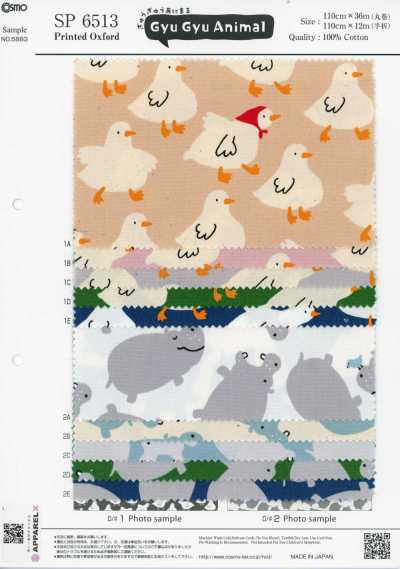
Animal patterns are a general term for motifs stylized from the characteristic spots, stripes, scales, and other markings seen on animals' bodies. They are not a term for fabric construction, but are expressed through various methods such as printing, Jacquard, and brushed finishes.
Not only realistic reproductions of patterns found on actual animals, but also abstract designs with altered color combinations or spot sizes are called animal patterns. From the pattern name alone, you cannot determine the material, thickness, stretch, or seasonality.
Origins and Naming of the Pattern
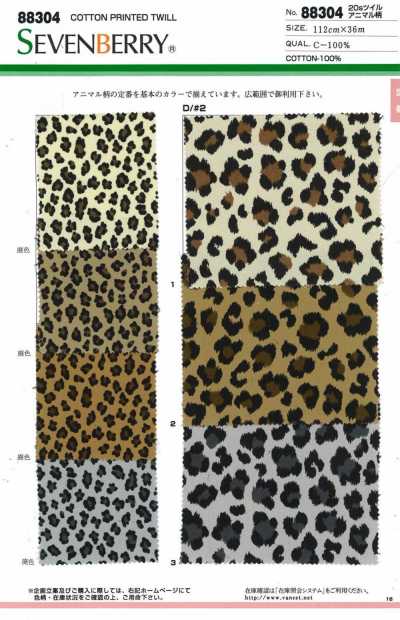
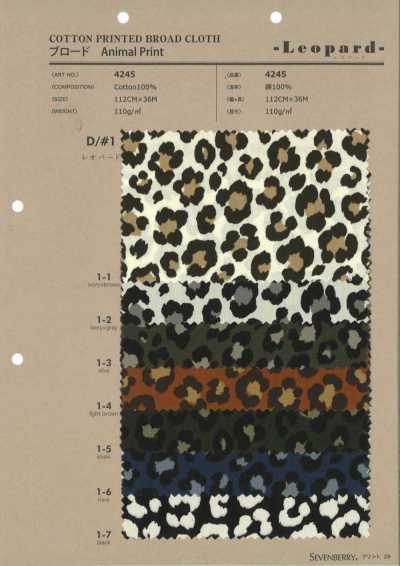
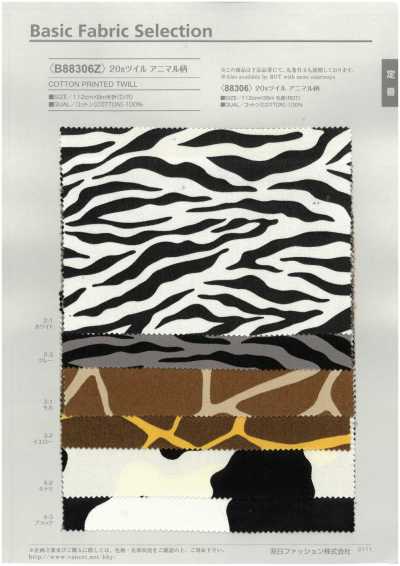
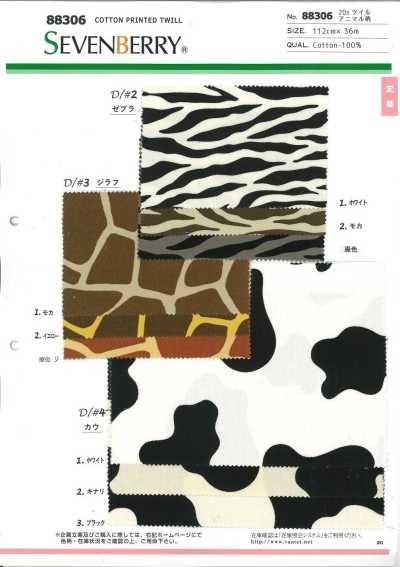
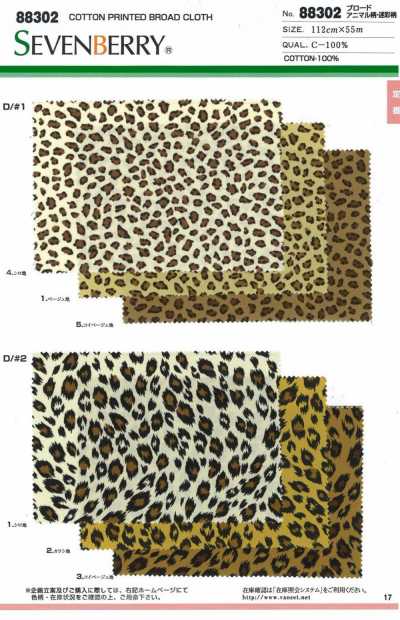
Representative types include leopard patterns inspired by the spots of a leopard, zebra patterns showing the stripes of a zebra, and python patterns expressing snake scales. In general, animal patterns is the broad term that includes these.
Leopard pattern and leopard pattern are often used to mean the same thing, but the outline of the motif, the density of the spots, and the ground color can create very different impressions. In planning and ordering, it is important to confirm not only the name but also the swatch and pattern repeat.
- Leopard pattern: A pattern using irregular ring-like or spot-like motifs.
- Zebra pattern: A pattern with continuous light and dark stripes, generally with a clear direction.
- Python pattern: A pattern using continuous motifs reminiscent of snake scales.
- Dalmatian pattern: A pattern using irregular round spots.
Main Applications and Seasonality
Used for blouses, shirts, skirts, dresses, pants, jackets, linings, bags, and more. Small patterns are relatively easy to incorporate, while large patterns and high-contrast patterns tend to become a visual focal point of the product.
Animal patterns themselves are not limited to any season. If the base material is a lightweight fabric with good drape, they are used for spring and summer blouses and dresses; if it is brushed material, knit, or a heavyweight woven fabric, they are used for autumn and winter tops and outerwear. Seasonality is determined mainly by the base fabric material and finish.
Notes on Fabric Selection and Cutting
When selecting fabric, in addition to pattern size, repeat, and the contrast between the ground color and motif color, confirm the sheerness, drape, and durability required for the application. If the pattern is large, the appearance changes depending on the product size and seam placement, so consider how it will look in specific areas as well.
Patterns with a clear up-and-down or directional flow, such as zebra patterns, may require one-way cutting. In such cases, more fabric than usual may be needed. For fabrics with pile, align the direction of the pile as well, and determine cutting instructions together with the pattern direction.
As needed, pattern matching is carried out at the left and right fronts, collar, pockets, placket, side seams, and other areas. However, irregular spot patterns are difficult to match perfectly, so another approach is to adjust the placement so that large motifs do not concentrate in conspicuous areas.
Differences from Similar Terms
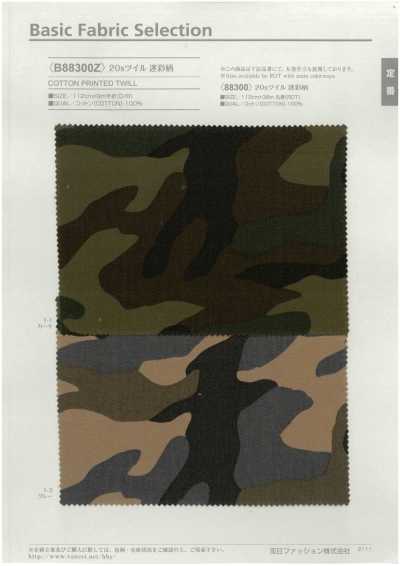
Camouflage patterns combine multiple amorphous color areas and are distinguished from animal patterns, which are mainly inspired by the markings on animals' bodies. Also, floral patterns and geometric patterns are classifications by motif type, and their source of design inspiration differs from that of animal patterns.
Printing refers to the processing method of applying a pattern to fabric, while animal pattern refers to the type of design. Therefore, animal patterns are often expressed through printing, but they may also be expressed through weaving, knitting, or variations in brushed pile density.
Frequently Asked Questions
What is the difference between an animal pattern and a leopard pattern?
Animal pattern is the general term for patterns inspired by the markings of animals' fur or skin. Leopard pattern refers specifically to a pattern based on leopard spots. Zebra patterns and python patterns are also generally included in animal patterns.
Do animal pattern fabrics require a lot of fabric yardage?
Fabric yardage varies depending on the pattern direction, size, and whether pattern matching is required. For directional patterns and large motifs, extra fabric may be needed to align the cutting direction and motif placement. Confirm based on the pattern, fabric width, and repeat.
What should be checked especially when cutting animal patterns?
Check the vertical and horizontal direction of the pattern, the motifs that will appear at the center of the front body and pocket positions, and the balance between the left and right body panels. For brushed fabrics and fake fur, the direction of the pile is also important. Mark before cutting and place the pieces while checking the pattern position.