Bishu
Bishu is a textile production area spanning western Aichi Prefecture and the Seino region of Gifu Prefecture, where processes such as yarn making, weaving and knitting, and dyeing and finishing are concentrated, with wool textiles at its core.
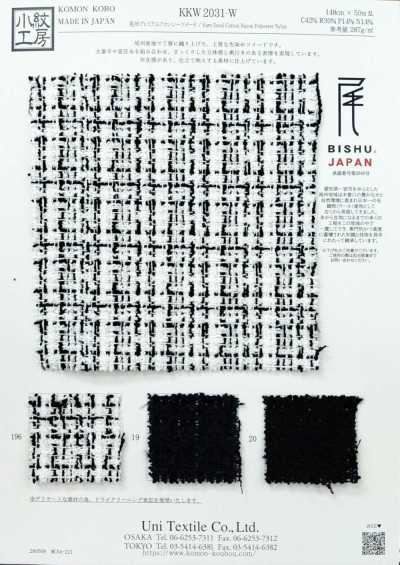
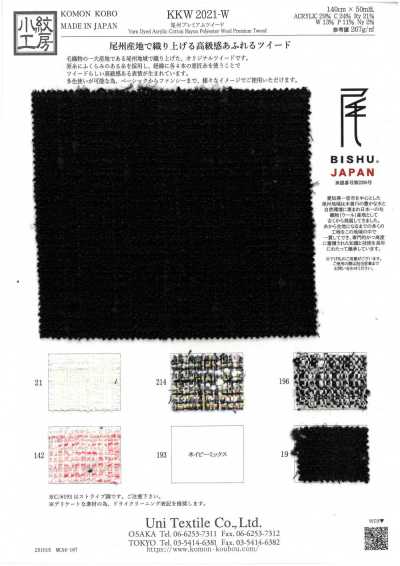
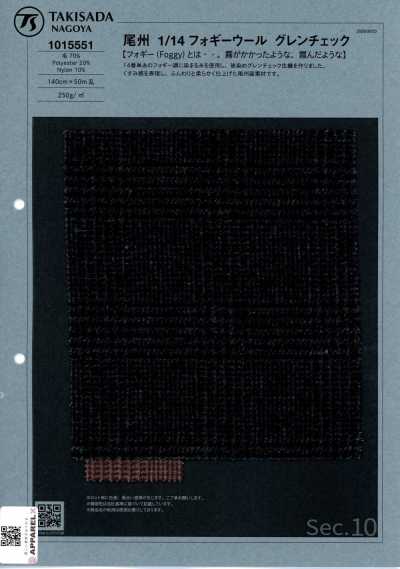
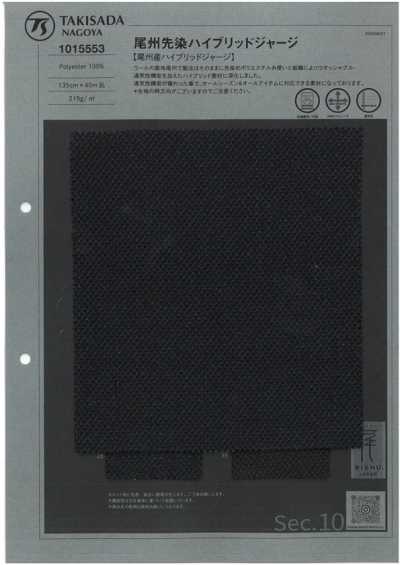
Contents6 sections
Definition and Overview
Bishu is a textile production area formed in a region that mainly includes Ichinomiya City and the Owari area in Aichi Prefecture, as well as Hashima City and other areas in Gifu Prefecture. It is not the name of a specific material, weave structure, or brand, but a regional name for a production area where multiple businesses and processes are concentrated.
It is widely known for woolen textiles made from sheep wool, but in practice it also handles fibers other than wool, as well as textiles made by combining them. For that reason, the label "Bishu" alone does not reveal the material blend ratio or the performance of the textile.
Background of the Production Area and Special Strengths
In Bishu, businesses involved in yarn planning, twisting, dyeing, weaving, knitting, finishing, and cloth inspection are concentrated in the region. A key feature is that the area can easily handle everything from textile planning to finishing by combining the expertise of each process.
In particular, yarn dyed is a method of dyeing the yarn at the yarn stage before weaving it. It is used for checks, heathered effects, and rich color expression using colored yarns. By combining raw materials, yarn, structures, and processing, a wide range of textures can be created.
- Woven fabrics centered on wool and animal hair, including worsted and woolen fabrics
- Checks, stripes, and heathered effects created through yarn dyed production
- Planning of knit fabrics and blended or union fabrics, in addition to woven fabrics
- Finishing processes that refine the texture, such as fulling and brushing
Typical Textiles and Applications
The textiles handled in Bishu include serge and gabardine for suits, as well as tweed, flannel, and melton for jackets and coats. Even with the same textile name, thickness and appearance vary depending on yarn thickness, density, fabric weight, and processing.
Main applications include tailored jackets, slacks, coats, skirts, and dresses. Lightweight worsted fabrics are also used for suits, and brushed or fulled textiles may be used for autumn and winter outerwear.
Points to Check When Purchasing
The labels "Bishu product" and "Bishu textile" may indicate a connection to the production area, but the origin of the raw materials, spinning location, weaving or knitting location, and dyeing or finishing location are not necessarily all in Bishu. It is important to confirm with the supplier which process is being identified as the production area.
When selecting a textile, check the blend ratio, structure, fabric weight, fabric width, finishing process, and suitability for washing or dry cleaning. For yarn dyed patterned textiles, also confirm the pattern size and repeat at the pattern-making stage, assuming extra yardage will be needed for pattern matching.
For ongoing production, confirm in advance the color differences or texture differences between rolls, inventory quantity, minimum lot size for additional production, and lead time. Custom colors and custom patterns may require processing before mass production, so approval conditions using sample rolls or lab dips should also be made clear.
- The process indicated by the production area label, and the blend ratio and raw material information
- Whether it is stock rolls or made-to-order production, and the minimum lot size for additional orders
- Lead time required for mass production and additional production
- Quality conditions such as lot variation, shrinkage rate, colorfastness, and pilling
- Required yardage, including pattern repeat, pattern direction, and pattern matching
Differences from Similar Terms
Bishu is a production area name, and it is distinguished from material names and textile names such as wool, tweed, flannel, and melton. For example, tweed produced in Bishu is possible, but that does not mean all tweed comes from Bishu.
Banshu weaving, Enshu, and Okayama denim are also names that refer to textile production areas. However, the processes concentrated in each region and the materials or product fields they specialize in are different. Do not decide specifications based only on the production area name; check the specifications and quality of each individual textile.
Frequently Asked Questions
Are all Bishu textiles 100% wool?
No. Bishu is a production area name, not a material name for a textile, so it is not limited to 100% wool. There are also materials combining wool with polyester, nylon, cashmere, and others, as well as textiles centered on materials other than wool. Always check the blend ratio and specifications for each product number.
What should be checked for textiles labeled "Bishu product"?
First, confirm which process was carried out in Bishu, such as weaving or knitting, dyeing and finishing, or yarn production. In addition, it is reassuring to organize the blend ratio, fabric weight, fabric width, whether it is stock or made-to-order, minimum lot size, lead time for additional production, and quality conditions such as color differences and shrinkage in the specification sheet.