Cordlane
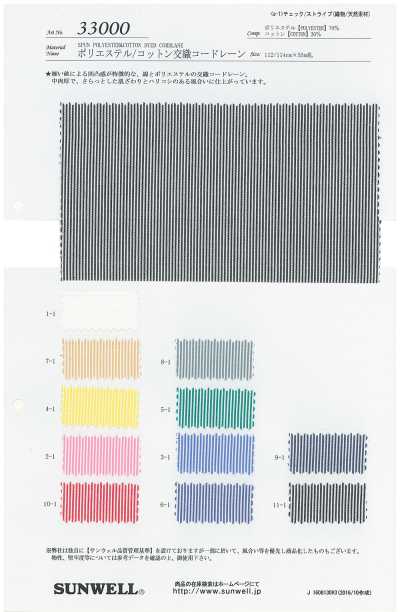
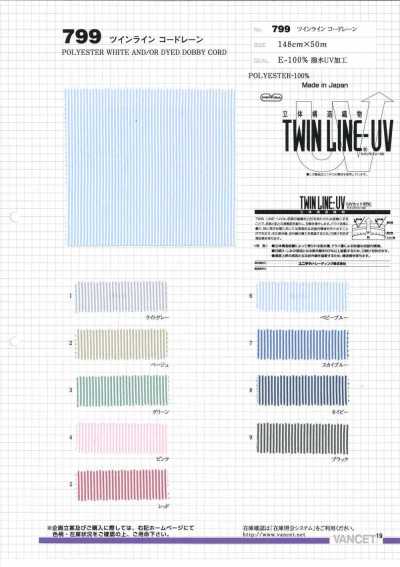
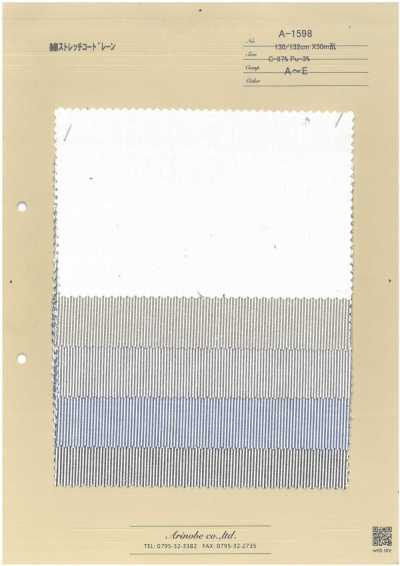
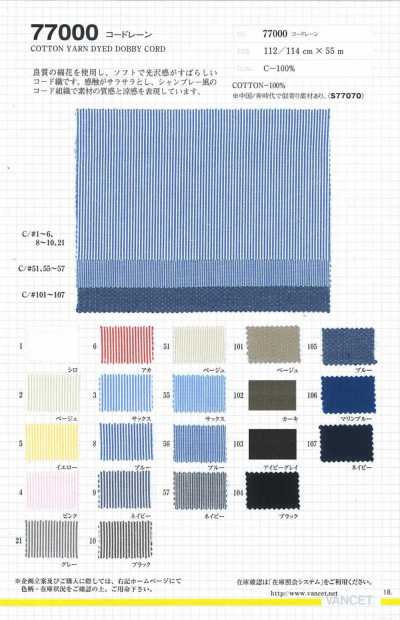
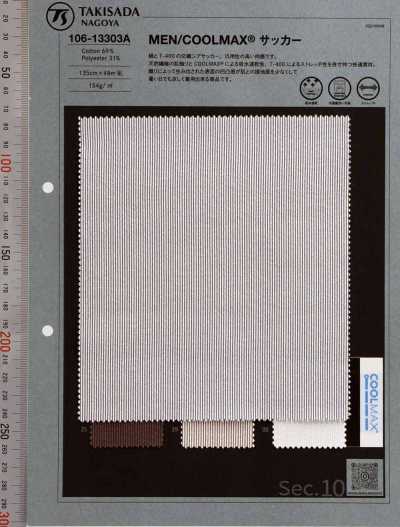
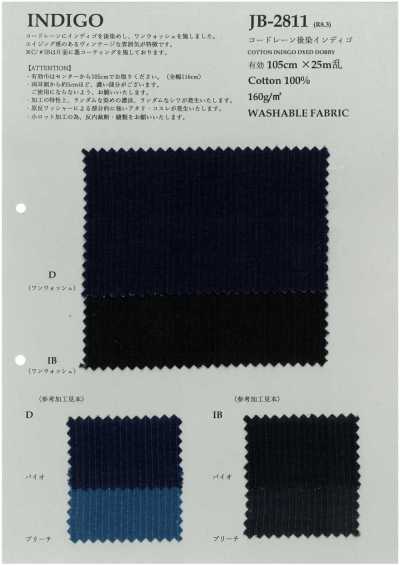
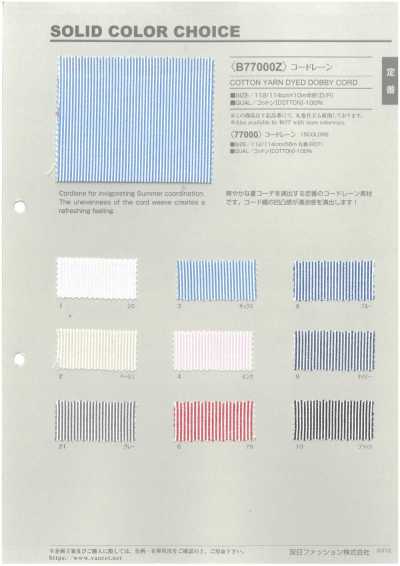
Cordlane is a woven fabric characterized by a crisp texture, with threads of differing thickness arranged mainly in the warp direction to create fine rib-like stripes.
Contents6 sections
Definition and Overview
Cordlane is a woven fabric made by using fine yarn and relatively thick yarn at regular intervals so that delicate ribs and stripes appear in the warp direction. It is often made from cotton in light to medium-light weights, and is treated more as a fabric name that expresses a striped surface effect than as a name for the weave structure itself.
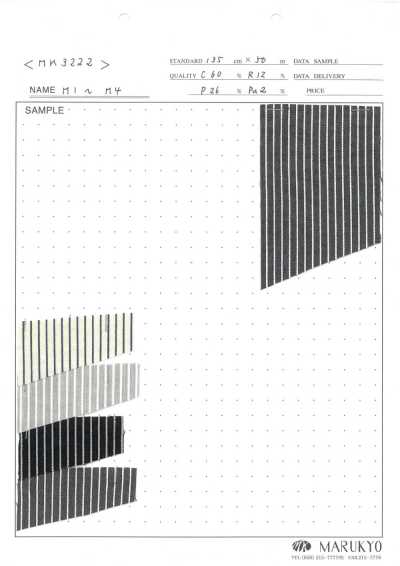
It ranges from types with such fine ribs that they appear solid to types that clearly show stripes through the contrast between white yarn and colored yarn. Because the appearance and thickness vary depending on the yarn used, density, and dyeing method, the actual fabric should be checked to confirm how the stripes look during planning.
Features
The vertical fine ribs and subdued stripes create a neat, cool-looking appearance. In general, the surface is relatively smooth, and it is used for lightweight shirt fabrics and apparel fabrics for midsummer. However, coolness and breathability vary depending on the material, density, and finish.
Because the ribs run vertically in a uniform direction, it is a fabric that can be easily used for designs that make the body look long and clean. On the other hand, when the difference between thick and fine yarn is large or the color contrast is strong, the misalignment of the stripes becomes more noticeable at seams and in panels.
Main Applications
Taking advantage of its light comfort and neat stripe appearance, it is used for spring and summer shirts, blouses, dresses, skirts, pants, and more. With somewhat firmer qualities, it may also be used for summer jackets and sets.
When the material is cotton, it is easy to adapt from casual to polished styles, and the impression can be adjusted through color and the fineness of the ribs. When using a sheer light-weight fabric for dresses or bottoms, the need for lining or a petticoat should also be considered.
How to Choose and Handling Notes
When selecting it, check not only the material ratio but also the fabric weight, density, sheerness, rib definition, and appearance after washing. Because cotton-based types may shrink in washing, perform shrinkage tests and wash tests before mass production, and reflect the results in fabric consumption and patterns as needed.
When cutting, make sure the vertical ribs run correctly on the grain line, and align the stripe positions on the left and right body panels, collar, pockets, and other parts. For fabrics with clear stripes, the fabric consumption needed for pattern matching may increase. Before sewing, it is important to straighten the grain to reduce sewing distortion and stripe warping.
Differences from Similar Terms
Seersucker is a woven fabric that creates separation from the skin through raised and recessed areas formed by yarn tension differences or the weave structure. Cordlane, by contrast, is characterized by the visual expression of vertical ribs and vertical stripes mainly created by yarns of differing thickness, and it does not necessarily have large surface unevenness.
Corduroy is a pile fabric in which warp pile is cut to create fuzzy ribs. The ribs of cordlane are not pile with raised fuzz, but are formed by yarn thickness and arrangement, so cordlane is often thinner and lighter than corduroy, and the main seasons of use also differ.
Frequently Asked Questions
Is cordlane a striped fabric?
Cordlane is a fabric in which yarns of different thickness are arranged in the warp direction to create narrow rib-like stripes. Unlike printed stripes with wide spacing or yarn-dyed stripes, the yarn usage in the woven fabric itself affects how the stripes appear. The clarity of the stripes varies depending on the color combination and yarn thickness.
What is the difference between cordlane and seersucker?
Seersucker is typically characterized by its textured surface, which separates the fabric from the skin. Cordlane mainly expresses vertical ribs and vertical stripes through the arrangement of thick and fine yarns. Both are used for spring and summer clothing, but the feel, degree of texture, and tailoring appearance differ by quality, so they should be compared with swatches.
What should be noted when sewing cordlane?
The basics are to align the ribs and stripes straight with the grain line and to check pattern matching for the body, collar, pockets, and other parts. Straighten the grain before cutting, and for products that will be washed, also confirm shrinkage. In light fabrics, needle holes and puckering may stand out, so adjust the needle, thread, and sewing conditions through test stitching.