Gobelins Weave
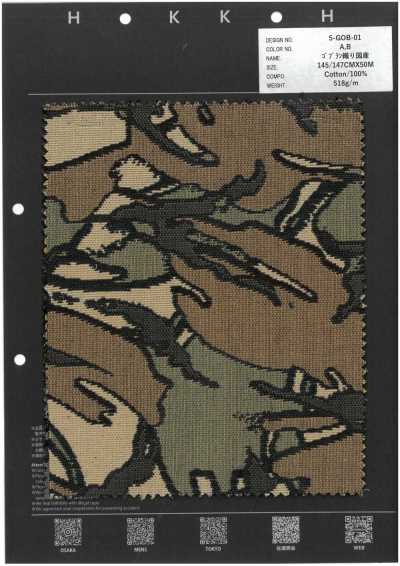
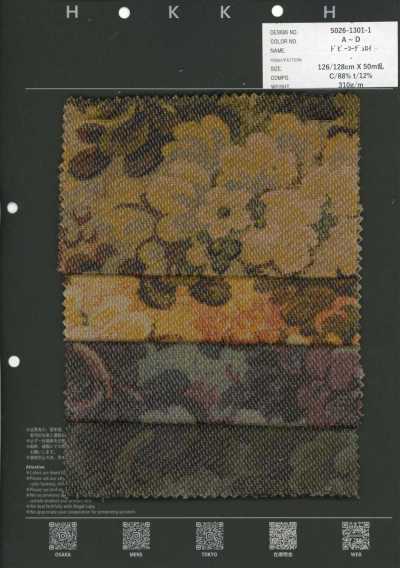
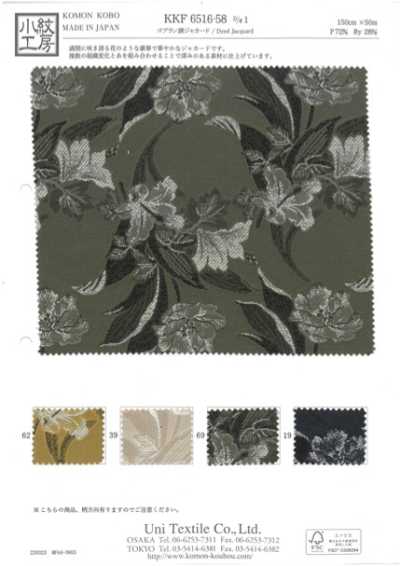
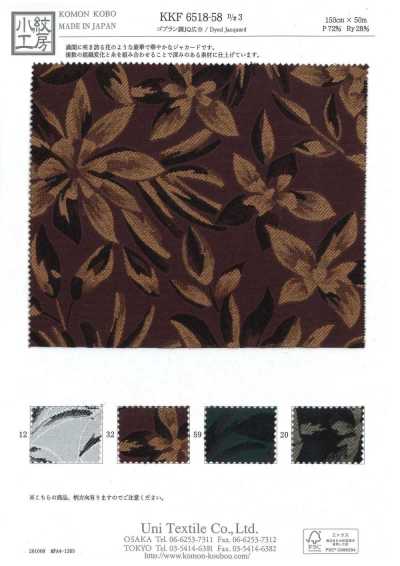
Gobelins Weave is a general term for a thick, substantial figured fabric that uses multiple colored wefts to create complex, painterly patterns.
Contents6 sections
Definition and Overview
Gobelin weave is a textile that weaves out precise patterns such as floral, figural, landscape, and geometric designs using weft yarns in many colors. It is generally used to refer to thick, decorative textiles that evoke a tapestry.
The name comes from the French Gobelins manufactory, but in today’s textile trade, Jacquard textiles that similarly express multicolored, painterly patterns may also broadly be called Gobelin weave.
Features
Because multiple colors of yarn appear on the surface, it offers a three-dimensional woven texture different from printing, depth created by blended colors, and a classic, substantial look. Depending on the yarn usage and structure, the pattern and colors may look different on the front and back.
In general, it has thickness and moderate firmness, and tends to drape less than lightweight textiles. Materials include cotton, polyester, rayon, and acrylic, and weight, stiffness, and durability vary greatly depending on the composition, density, and amount of backing yarn.
Main Applications
Its decorative quality and presence make it suitable for jackets, coats, skirts, dresses, vests, bags, stage costumes, and more. Thick textiles are also suitable for structured silhouettes and partial use.
It is often seen in autumn and winter clothing and fashion accessories, but lightweight, thin specifications are also used for spring and summer items. It may also be used for interior applications such as cushion covers and upholstery.
- If the pattern is large, check how it appears on the front body, pockets, and seam positions.
- Because apparel and interior textiles differ in hand, width, and abrasion resistance design, choose a specification suited to the application.
Selection and Handling Notes
When selecting, check the composition, fabric weight, thickness, stretch, and pattern size, as well as the condition of the backing yarn on the reverse side. In apparel, skin feel, snagging, and seam allowance thickness affect comfort and sewing specifications, so be sure to confirm with a prototype.
The degree of shrinkage, color fading, fuzzing, and shape distortion caused by washing varies by material and structure. Some items are not suitable for home washing, so follow the care label. For products intended to be washed with water, check the shrinkage rate before cutting and, if necessary, pre-shrink the fabric with hot water.
When cutting, decide in advance the placement of large patterns and the alignment of left and right patterns. Thick textiles tend to have seam allowances overlap, so consider finishing the seam allowances and measures to reduce bulk at steps. Care is also needed with sewing machine needles, presser feet, and handling so as not to catch the backing yarn.
Difference from Jacquard
Jacquard is a broad term for the weaving method used to create patterns, or for the loom and textile related to that weaving. Gobelin weave, on the other hand, often refers to textiles with multicolored, painterly, tapestry-style patterns and a substantial texture, and is treated as a type of Jacquard textile.
However, the term used in distribution has a wide range. Not all Jacquard fabrics are Gobelin weave, and even fabrics categorized as Gobelin weave are not uniform in structure, material, or thickness. It is important to check the fabric swatch and specifications rather than judging by the name alone.
Frequently Asked Questions
Can Gobelin weave be washed at home?
Whether home washing is possible depends on the fiber composition, yarn dyeing, weave density, and finishing. Shrinkage and changes in hand may occur with water washing, so check the care label on the product or textile. Before mass production, conduct washing tests to check shrinkage and color transfer.
What should be noted when sewing Gobelin weave?
For thick textiles, be careful of steps caused by overlapping seam allowances and of bulky seams. Also, if the pattern is large, match the pattern on the left and right body panels and pockets. The backing yarn on the reverse side can easily snag, so check handling during cutting and sewing and how the seam allowances are finished.
How is Gobelin weave different from printed fabric?
Printed fabrics express patterns by dyeing or printing them on the surface of the textile. Gobelin weave creates patterns by weaving in colored yarns, so the woven structure tends to produce texture and depth in the colors, and the reverse side may also show yarn floats and a different appearance of the pattern from the front.