Inkjet Printing
Inkjet printing is a printing process that uses digital data to eject fine ink droplets onto textile and apply patterns or photographic effects.
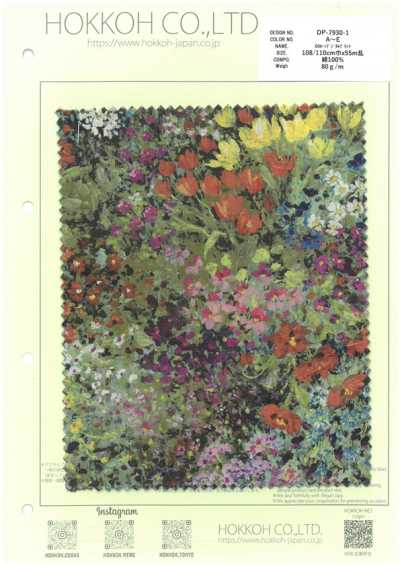
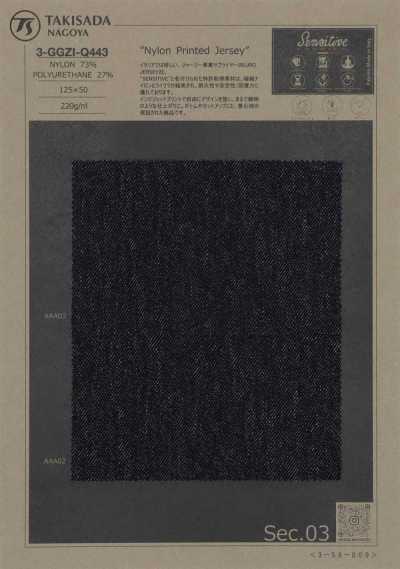
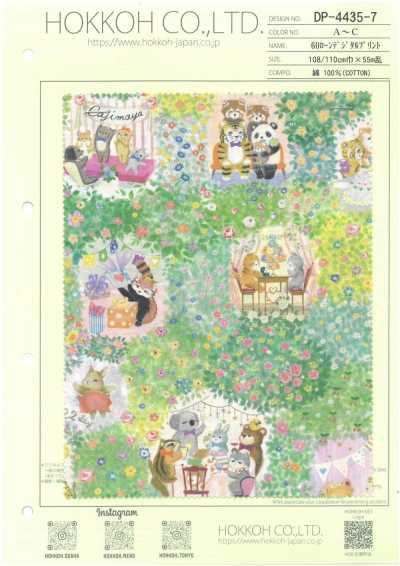
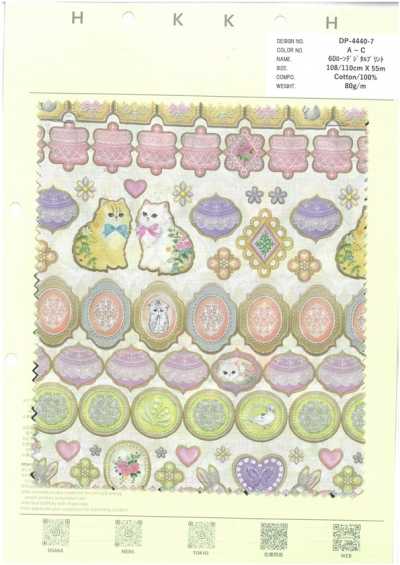
Contents6 sections
Definition and Overview
Inkjet printing is a textile printing method that directly ejects ink onto textile using created design data. Unlike printing with plates, it makes it easier to change data and produce multicolor patterns, delicate lines, and photographic gradations.
“Digital printing” is a general term used in a broad sense, and in the textile field it often refers to the inkjet method. However, since methods that use transfer paper are also called digital printing, the processing method should be confirmed in the specification sheet.
Characteristics
Pattern reproducibility varies depending on image data resolution, color settings, the textile’s whiteness and structure, pretreatment, and the type of ink. It can express everything from fine patterns to large patterns, but the color on screen and the actual textile color are not always identical.
The hand feel is affected by the material and structure of the textile itself, as well as the ink amount, pre- and post-processing, and processing conditions such as steaming and washing. In general, methods that fix pigment on the surface may give a feeling of stiffness in dark areas.
Functions such as water absorbency, stretchability, and sheerness are mainly determined by the base fabric. After printing, breathability, elasticity, and surface texture may change depending on the ink and processing conditions, so check them in a state close to the final product application.
Main Applications
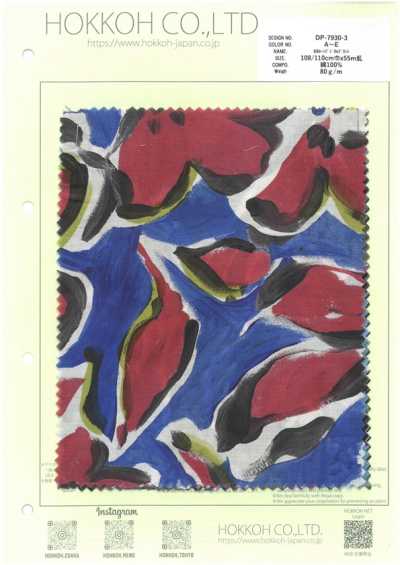
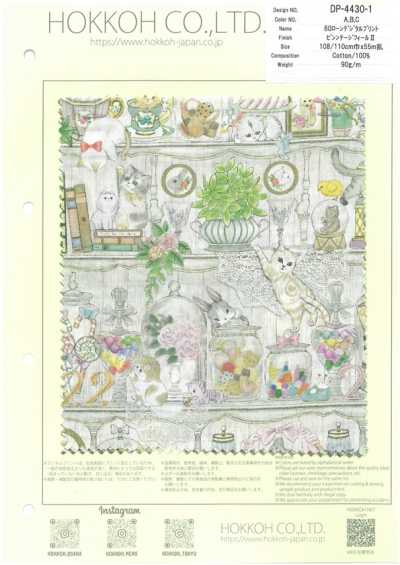
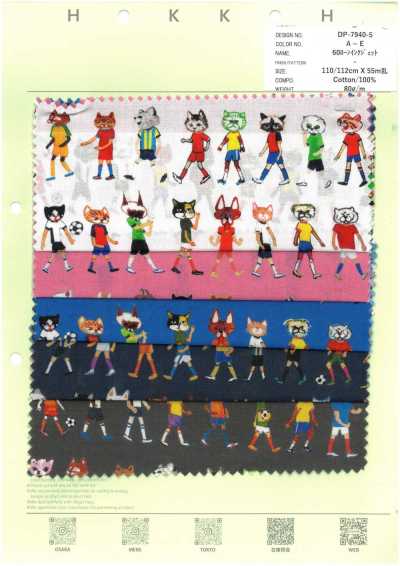
It is used for shirts, blouses, dresses, skirts, cut-and-sew items, and costumes where design is emphasized, such as floral patterns, geometric patterns, illustrations, and all-over photographic prints. It is not limited by season, and is used according to the characteristics of the base fabric, from lightweight to medium-weight woven fabrics and knits.
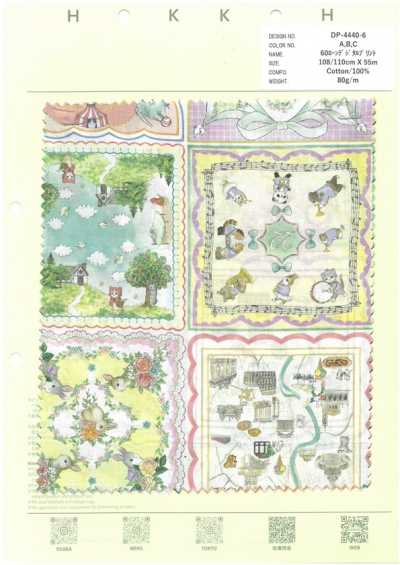
It is also easy to handle panel patterns that specify pattern placement during cutting, making it suitable for plans that place designs on the front body or sleeves. On the other hand, the size and repeat of the pattern, and how it appears along the grain line, affect fabric usage and cutting efficiency, so these should be considered together with the pattern at an early stage.
- Shirts, blouses, dresses, skirts
- Cut-and-sew items such as T-shirts
- Costumes and stage wear
- Textiles for bags, accessories, and interior applications
Selection and Handling Notes
It is important to choose ink and pretreatment suitable for the base fabric material. Generally, the suitable ink and fixation process differ for cotton, rayon, silk, polyester, and other materials. Before mass production, make prototypes with the actual base fabric, color, and pattern, and confirm color difference, hand feel, and fastness.
Shrinkage and skew are affected not only by the printing process but also by the properties of the base fabric and post-processing. Before cutting and sewing, perform scouring or straightening as needed, and set the pattern while allowing for dimensional changes after washing.
Washing should follow the washing instructions for each product. For dark colors and highly saturated patterns, it is reassuring to check color transfer and fading caused by friction, sweat, light, and washing, and to conduct an initial washing test. In sewing, clearly state the pattern direction, the appearance of the left and right body panels, and pattern matching at seam allowances in the cutting instructions.
Differences from Similar Terms
Print is a general term for all processing that adds patterns or color to textile. Inkjet printing is one type of print, and its defining feature is that ink is ejected from digital data.
Screen printing is a method that applies ink to textile through a screen. Inkjet printing does not require a screen, so it more easily reflects design changes; however, color, hand feel, cost, and suitability for mass production must be compared depending on the pattern and processing conditions.
Sublimation printing is a transfer method mainly suitable for polyester and similar materials. It may be mentioned together with inkjet printing, but the process differs between a method that directly ejects ink onto textile and a method that transfers it from paper or other media using heat.
Frequently Asked Questions
Does inkjet printing come off in washing?
Even on textile processed with suitable ink, pretreatment, and fixation steps, resistance to washing, friction, sweat, and light varies depending on the material, color, pattern, and processing conditions. Before making the product, it is necessary to check wash fastness and rub fastness, and to handle it according to the washing instructions.
Does inkjet printed textile shrink?
Whether shrinkage occurs and to what extent is mainly affected by the material and structure of the base fabric, as well as the washing and finishing conditions after printing. Especially for textiles that include natural fibers or regenerated fibers, conduct a washing test before mass production, confirm the shrinkage rate, and then determine the fabric usage and pattern.
What should be noted during sewing?
For all-over patterns, specify the pattern direction, repeat, left-right appearance, and seam positions in advance. For panel patterns, any shift in the cutting position directly affects the design, so confirm the markings. For stretch base fabrics, also check stretch in the printed area and seam burst through trial sewing.