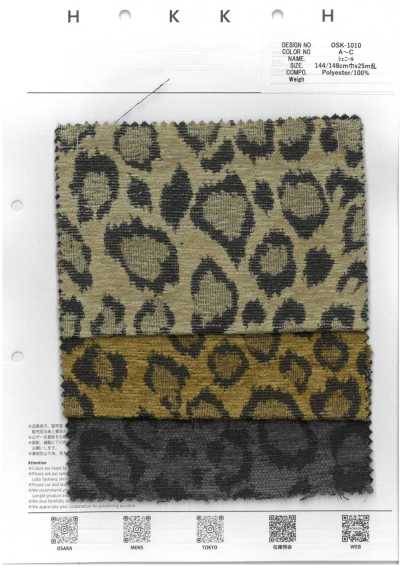
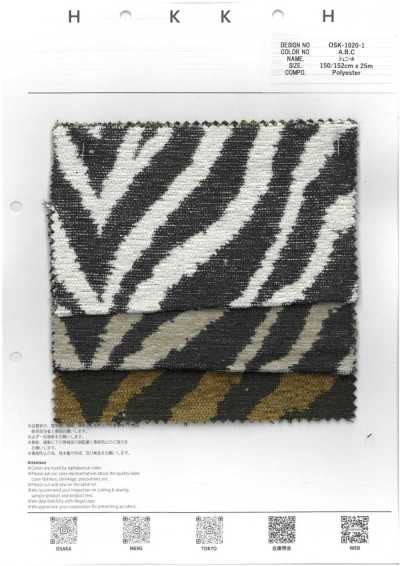
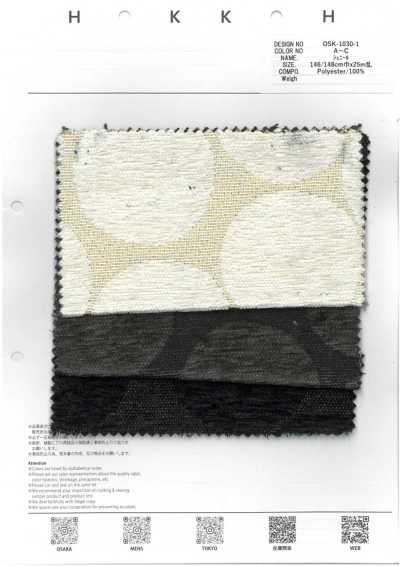
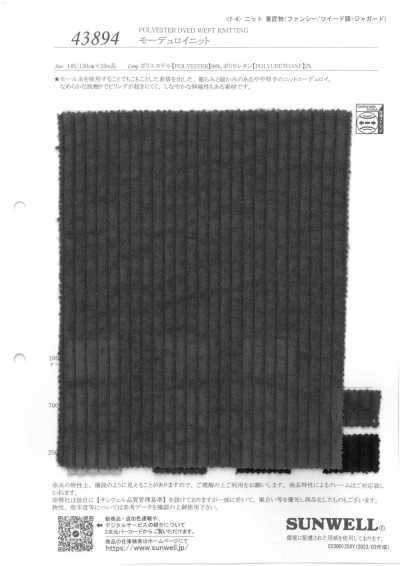
Chenille Yarn
Chenille yarn is a decorative yarn made by twisting short fibers between core threads to create a thick, soft appearance covered with pile.
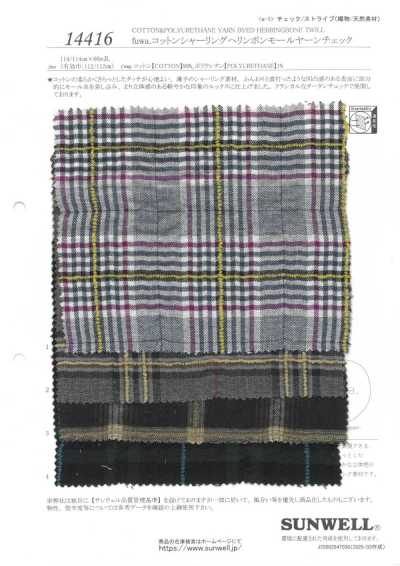
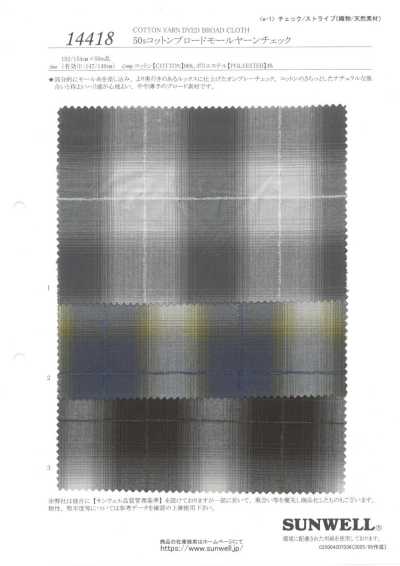
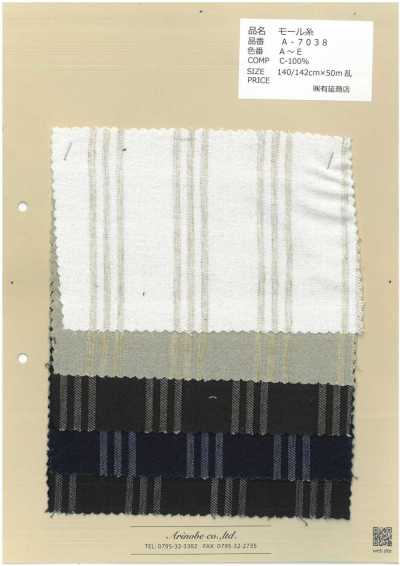
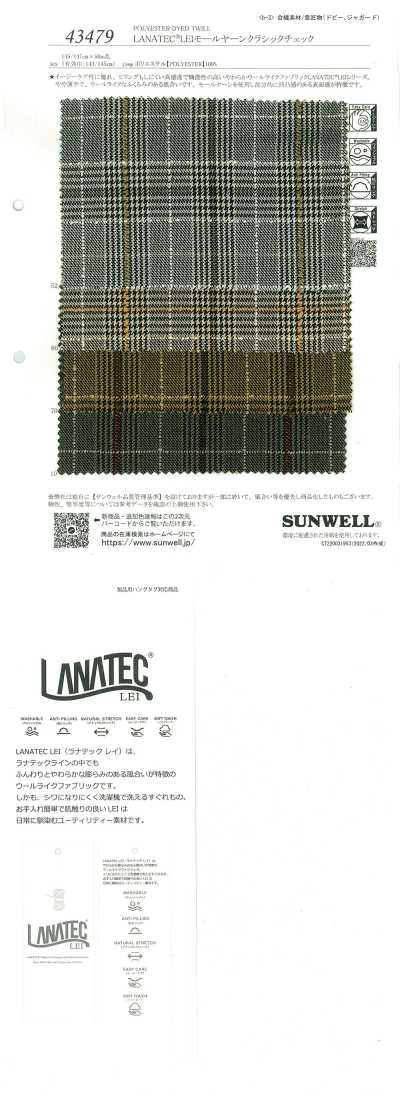
Contents6 sections
Definition and Overview
Mour yarn is a yarn made by inserting short fibers between two core yarns and twisting them to hold them in place. Because the fibers around the yarn extend outward in a radial pattern, it is called mour, from its resemblance to insect antennae. Chenille is a name derived from French.
Depending on the fibers used, such as cotton, rayon, polyester, and acrylic, gloss, water absorbency, durability, and ease of care vary. Mour yarn is not a material name, but the name of a decorative yarn that refers to a hairy structure.
Features
The surface fibers give it a velvety softness, fullness, and a warm touch. Differences in shade are easy to see depending on the light and the direction of the pile, so it can create a rich appearance even in solid colors.
On the other hand, friction or snagging may cause the pile to become disturbed or shed. Abrasion resistance, fiber shedding, and knit stability also vary depending on the yarn thickness, pile density, and core yarn structure.
- Appearance: The pile creates a velvet-like sheen and shading.
- Texture: It can express a soft, fluffy thickness.
- Functional aspect: The pile tends to trap air easily, making it easier to provide warmth.
Main Applications
In weft knitting, it is used for sweaters, cardigans, vests, scarves, hats, and more. Making use of its soft feel and volume, it is often used for autumn and winter knits, or as a textural accent in partial applications.
Outside apparel, it is also used for interior applications such as cushion covers, blankets, and rugs. When deciding on applications, it is important to consider not only appearance but also the amount of friction during wear or use.
Selection and Handling Notes
When selecting it, check the composition, yarn count, pile length and density, and the fabric weight when made into knitted or woven fabric. For products that touch the skin directly, confirm fiber shedding and irritation, and for applications with a lot of friction such as bags and furniture, test abrasion resistance and snagging.
Shrinkage and changes in texture due to washing vary depending on fiber type, finishing, and the structure of the knit fabric. Before mass production, conduct wash tests on the product itself, and determine the care label based on the test results. Care should be taken to avoid strong friction, excessive twisting, and drying that crushes the pile.
In sewing, if the pile gets caught in the seam allowance, the stitching may become buried or the thickness may create ridges. After cutting, tidy the pile in the seam allowance, and use trial sewing to adjust the needle, thread, presser foot pressure, and sewing conditions in order to prevent feeding problems and skipped stitches.
Differences from Similar Terms
Mour yarn refers to the structure of the yarn, while pile refers to a knit or woven structure that creates looped or hairy three-dimensional parts on the fabric surface. Fabrics made with mour yarn have a hairy appearance, but not all pile fabrics are made with mour yarn.
Velvet is generally the name of a fabric with pile, and it is distinguished from mour yarn. Boucle is a decorative yarn characterized by a looped appearance, while mour yarn is characterized by a surface covered with short-fiber pile.
Frequently Asked Questions
Does mour yarn shrink when washed?
The degree of shrinkage depends on the composition, such as cotton, rayon, or wool, as well as the twist, knit density, and finishing process. It cannot be said that mour yarn will definitely shrink. During planning, conduct wash tests using the actual knit fabric or product, and check dimensional changes and changes in the pile.
What is the difference between mour yarn and pile?
Mour yarn is the name for yarn made by inserting short fibers into a core yarn to create a hairy surface. Pile is the name for a knit or woven structure that forms loops or pile on the surface of the fabric. Both can create a three-dimensional, soft appearance, but the process and object they refer to are different.
Are there any precautions when sewing mour yarn?
The pile can easily build up on the needle plate or feed dogs, and may get caught in the stitching. Working while removing cutting waste and tidying the pile in the seam allowance makes it easier to check the finish. Before mass production, decide through trial sewing on the needle, thread, and sewing conditions that suit the fabric thickness.