Lawn
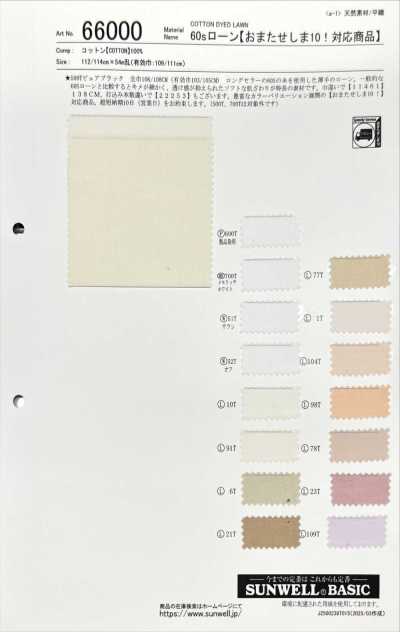
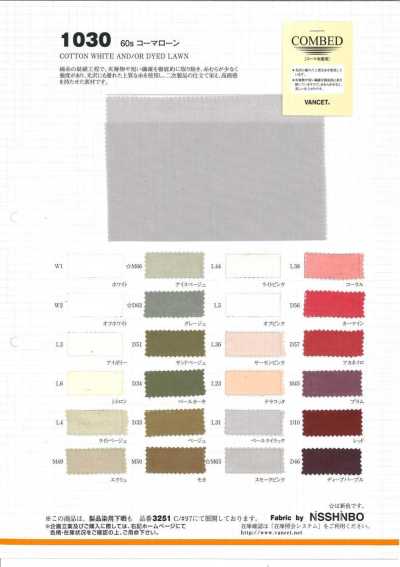
Lawn is a thin plain weave textile made with fine yarn and woven at a high density, characterized by a smooth touch, lightness, and an elegant sheerness.
Contents6 sections
Definition and Overview
Lawn is a thin plain weave textile that is generally woven relatively tightly using fine-count yarn. Plain weave is the basic weave structure in which warp and weft yarns cross alternately, and lawn has a delicate appearance with an even weave.
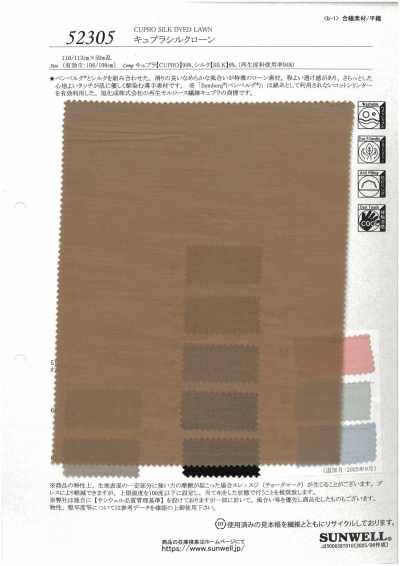
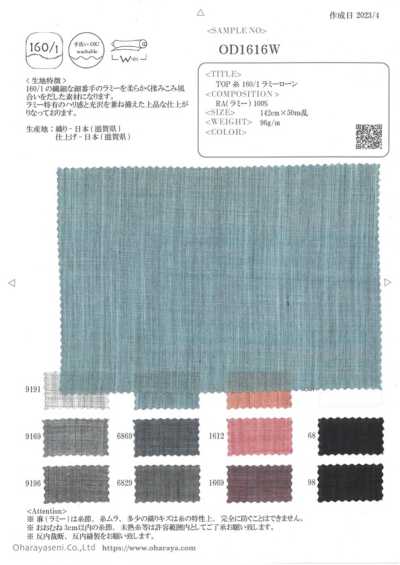
Although many types are made mainly from cotton, some are blended with polyester or rayon. Depending on the raw material, yarn thickness, density, and finishing, sheerness, firmness, and softness vary greatly.
Features
It is thin and lightweight, with a smooth feel that does not cling to the skin. Although it is a lightweight textile, it has density, so unlike loosely woven textiles such as gauze, it finishes with a relatively smooth and refined appearance.
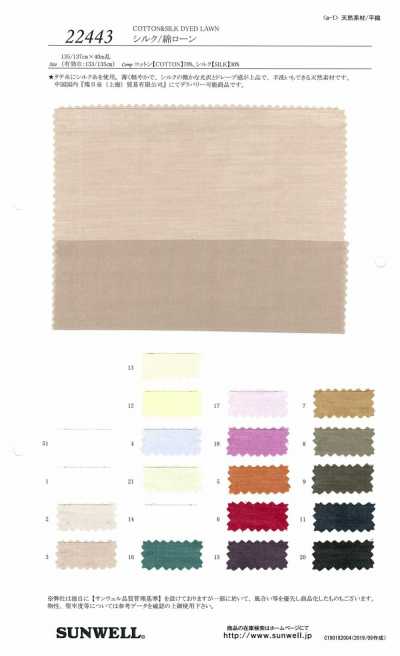
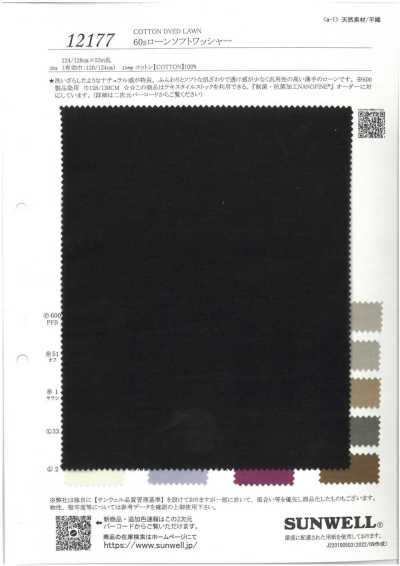
Light colors and white may be see-through. Printed patterns stand out well, and solid versions are a material that easily creates a delicate, clean look. There are also lawns with added natural wrinkling and softness through washer finish and similar processing.
- Lightweight and suitable for spring and summer apparel.
- Because it is thin, it is easy to use for layered styles and designs with gathers.
- Depending on the fiber type and processing, moisture absorbency, quick-drying performance, and wrinkling differ.
Main Applications
It is widely used for blouses, shirts, dresses, skirts, and tunics. Taking advantage of its lightness, it is also suitable for spring and summer apparel, kids' wear, and nightwear.
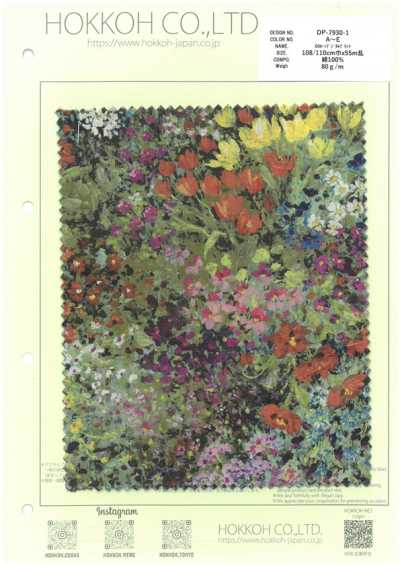
In patterned versions, it is often used as printed textile for floral patterns and small motifs, and its sheerness is adjusted by combining it with lining or a petticoat. Because it is thin and not bulky, it is also suitable for designs using frills, gathers, and tucks.
How to Choose and Handling Notes
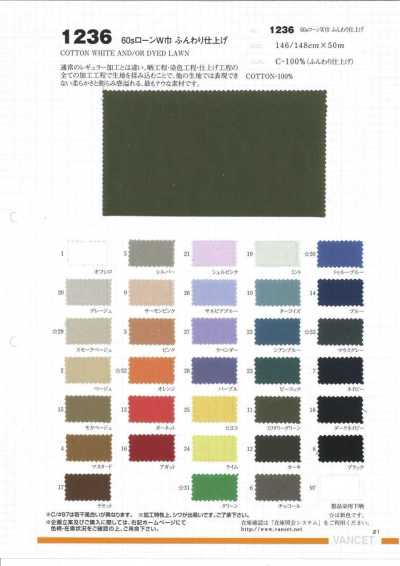
When selecting, check not only the blend ratio but also fabric weight, density, sheerness, and the firmness or drape created by finishing. Even when labeled as lawn, thickness and texture differ depending on yarn type and processing, so it is important to confirm with an actual textile sample.
When cutting, align the grain, and with slippery textiles, reducing the number of layers being cut at once helps maintain accuracy. For sewing, choose a fine needle and fine-count sewing thread, and test in advance for seam puckering, puckering, and visible needle holes.
Shrinkage, wrinkling, and color fading from washing vary depending on the fiber and dyeing or processing conditions. Especially for items containing natural fibers, perform a washing test before mass production, and if necessary, make patterns that account for grain adjustment and shrinkage.
Differences from Similar Terms
Voile is a thin plain weave textile that uses high-twist yarn to create a crisp feel and a see-through weave appearance. Lawn is relatively smoother than voile, and many types have an even weave impression.
Broadcloth and poplin are also plain weave textiles, but they generally have more thickness and density than lawn and a firmer shirt fabric feel. Gauze is characterized by softness from its open structure, and its structural density and appearance differ from lawn.
Frequently Asked Questions
Is lawn a summer textile?
Because lawn is thin, lightweight, and tends to have a smooth feel, it is generally suitable for spring and summer blouses and dresses. However, the wearing feel changes depending on the raw material, color, processing, and whether it has a lining, so thickness and sheerness should be checked according to the intended use.
Does lawn textile show through?
Because lawn is a lightweight textile, it can be see-through, especially in white and light colors. However, the degree of sheerness varies depending on yarn thickness, density, color, and whether it is printed. If necessary, it can be adjusted by adding a lining, double-facing the inner parts, or combining it with an inner layer.
What should be noted when sewing lawn?
Because it is thin and needle holes and seam puckering tend to stand out, it is important to choose a fine needle and sewing thread suited to the textile and to perform test stitching. To prevent shifting during cutting and stretching during sewing, also check presser foot pressure and feed amount, and use interfacing as needed.
- Browse Lawn / Poplin / Broadcloth products
- Products with material "Cotton"
- Products with material "Polyester"
- Products with material "Rayon"
- Products for style "Cool-touch And Cooling Materials"
- Products for style "For Shirts/blouses"
- Products for style "For Skirts And Dresses"
- Products for style "For Nightwear"
- Products for style "For Kids"
- Browse Textile products