Washi Paper Yarn
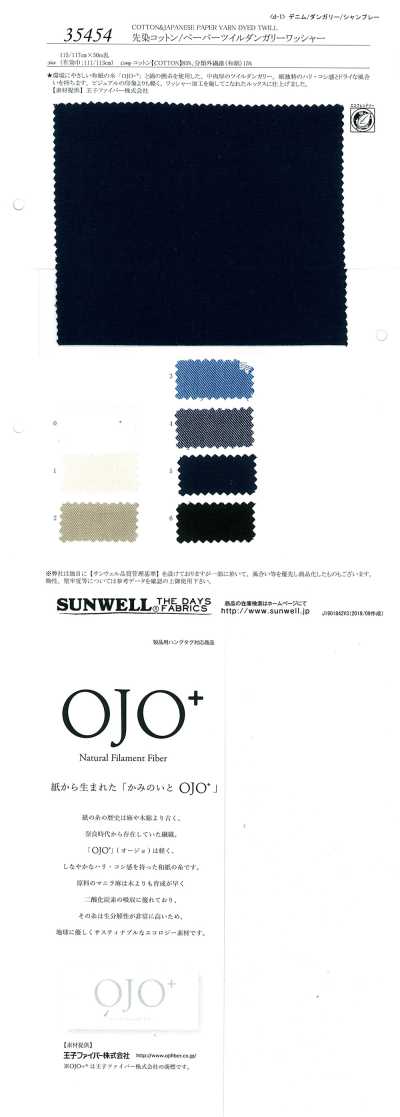
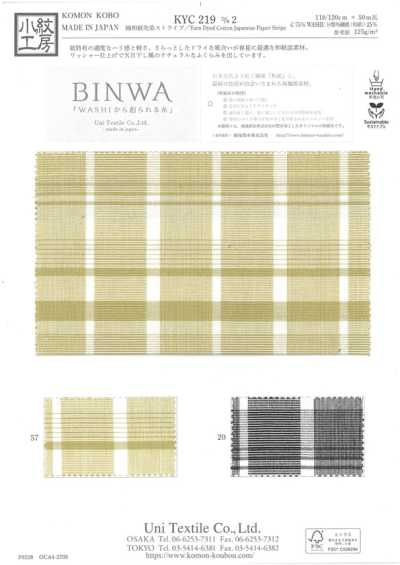
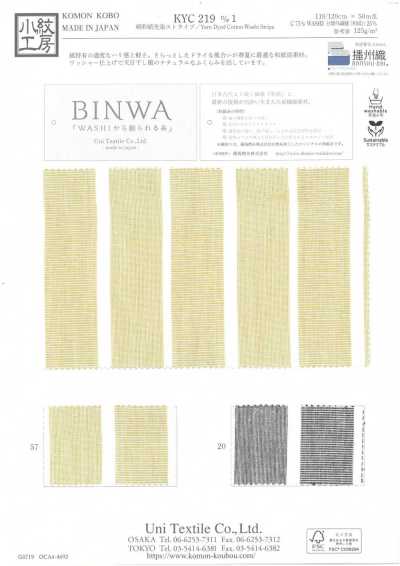
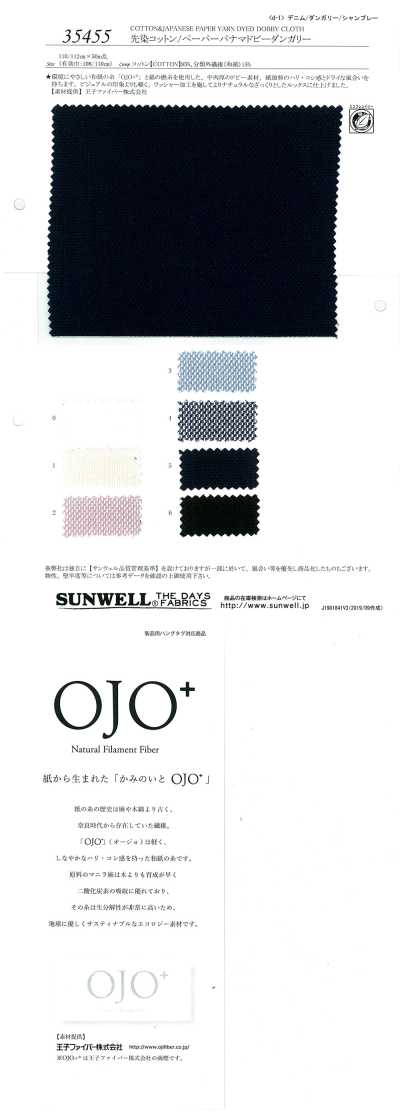
Washi yarn is a material made by processing washi into a thin, yarn-like form, such as by cutting it into narrow strips, or yarn combined with other fibers, and it is used to bring a smooth touch and paper-like texture to textiles and knitwear.

Contents5 sections
Definition and Overview
Washi yarn is made by turning washi into a form that can be handled as yarn, such as by cutting the washi into narrow strips and twisting it. In addition to being used on its own, there are also yarns blended or plied with cotton, linen, polyester, and other fibers to adjust strength, ease of knitting, and texture.
“Washi” is a broad term for paper itself, and is not necessarily synonymous with washi yarn for apparel. In addition, paper yarn may sometimes be made from paper other than washi, so it is important to check the raw material, blend ratio, and yarn structure in the specification sheet.
Characteristics and Appearance
Fabrics and knits made with washi yarn are generally characterized by a dry, smooth feel, lightness, and a simple matte surface. While it easily creates a cool, linen-like feel, the firmness or softness varies greatly depending on the quality of the paper material, twist, knit or weave structure, and the blended fibers.
In designs that allow air to pass easily between the fibers, it is easier to achieve breathability, making it suitable for applications where you want to reduce stuffiness. However, performance such as breathability, water absorbency, and strength cannot be determined from the name washi yarn alone. Check test values and fabric swatches.
- Uneven textures such as fuzzing or neps may appear.
- Properties in wet conditions and resistance to friction differ depending on the type of paper, processing, and blended materials.
- Dyeability and color appearance also vary depending on the material composition, so confirmation with color swatches is necessary.
Main Applications and Seasons
Taking advantage of its cool feel and natural appearance, it is used for spring and summer knits, cardigans, pullovers, shirts, blouses, dresses, and more. For lightweight to medium-weight materials, sheerness and the appearance of the knit or weave are also designed as part of the look.
In relatively firm knit or woven fabrics, it is also used for fashion accessories such as hats, bags, and pouches. For items that come into direct contact with the skin, check not only the proportion of washi yarn, but also the blended fibers, fabric density, and the feel of seam allowances and edges against the skin.
Selection and Handling Precautions
When selecting, check not only the blend ratio of the washi yarn, but also whether it is single yarn or plied yarn, the twist, fabric weight, structure, and finishing process. For the required strength, stretch, and drape, it is important to make prototypes in a condition close to the product specifications, and to conduct wear tests and wash tests.
Changes in shrinkage, dimensions, and firmness due to moisture vary depending on the material design. Before mass production, conduct wash tests on the fabric or product, and set the care label based on the test results and the manufacturer's specified handling method. The process of shaping and drying after washing should also be checked.
In sewing, excessive thread tension or needle holes that are too fine may cause surface damage, puckering, or prominent seams. Check in advance for fraying at the edges, seam strength, and compatibility with needle and sewing thread, and consider seam finishing and interfacing if necessary.
Frequently Asked Questions
What is the difference between washi yarn and linen yarn?
Washi yarn is a material made by processing paper into yarn form, and its raw material and yarn construction differ from linen yarn, which is spun from bast fibers taken from plant stems and similar sources. Both can create a smooth impression, but the feel, fuzziness, strength, and changes after washing differ depending on the material design. Compare the blend ratio and test results when selecting.
Can fabrics made with washi yarn be machine washed at home?
Whether home laundering is possible depends on the type of washi yarn, blended materials, knit or weave structure, dyeing, and finishing process. Even when washi yarn is used, some items are washable while others specify hand washing or dry cleaning. It is necessary to conduct product wash tests during the planning stage and follow the care label based on the results.
What should be noted when sewing with washi yarn?
First, with trial stitching, check the needle holes, the visibility of the stitches, thread breakage, seam shrinkage, and fraying at the edges. If the fabric is firm or the structure is coarse, strong presser foot pressure or inappropriate needle and thread tension may damage the surface. Carry out sewing tests under the same conditions as mass production, and decide including seam finishing.