Back Satin
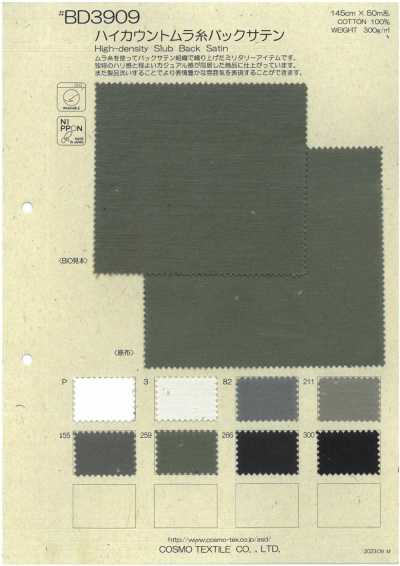
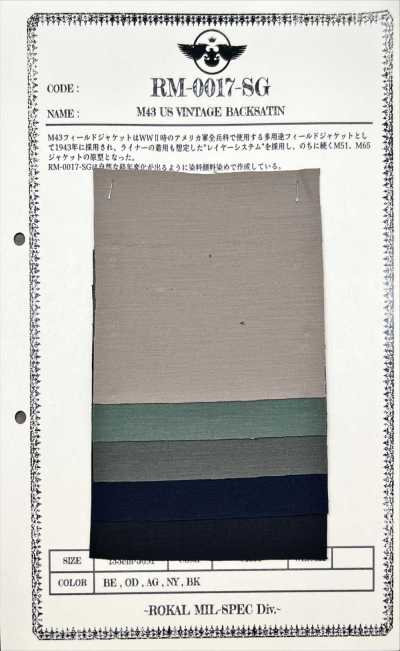
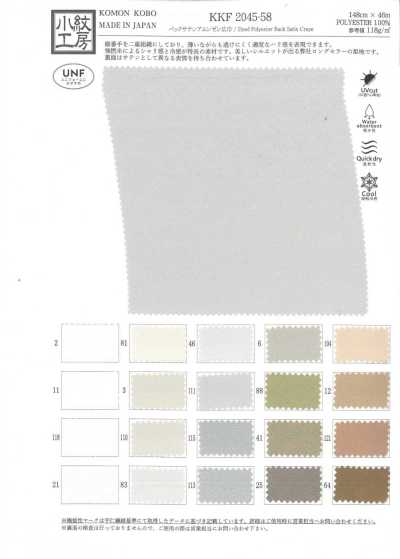
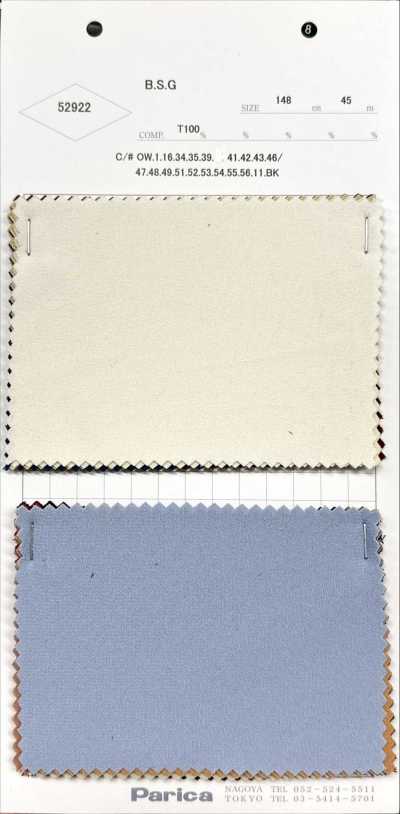
Back satin is a woven fabric with a different appearance on the face and back, featuring twill-like ridges on the face and long satin floats on the back.
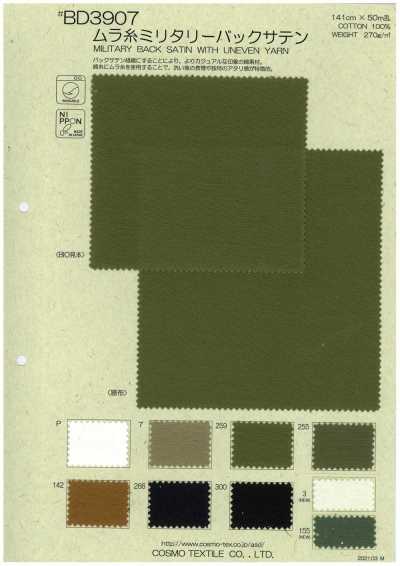
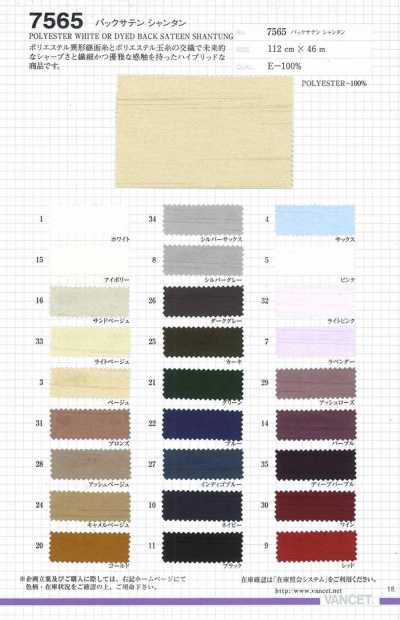
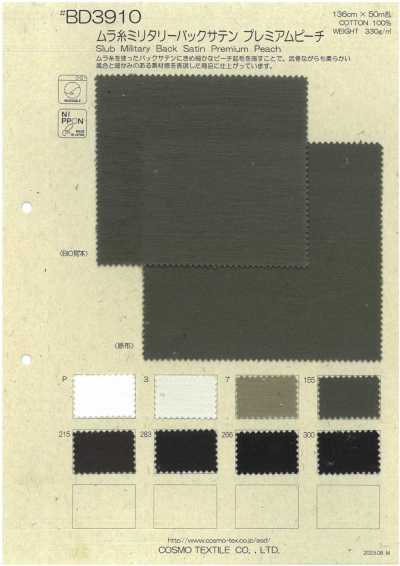
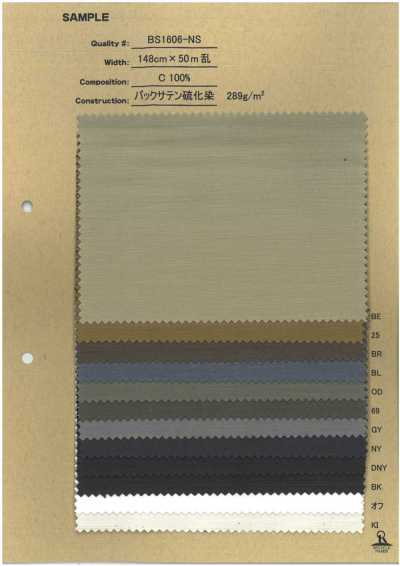
Contents6 sections
Definition and Overview
Back satin is a textile with a relatively durable, matte structure on the face side and satin weave on the reverse side for a smooth appearance. “Back” refers to the reverse side, and “satin” refers to satin weave, so the name comes from the reverse side having a satin-like finish. Thickness and characteristics vary greatly depending on fiber type, yarn thickness, density, and finishing.
The face side often shows twill-like texture or fine ridges, while the reverse side tends to have a smooth appearance because the yarn floats are long. However, the appearance of the front and back, as well as the construction details, vary by specification, so the actual fabric should be checked to determine which side will be used.
Feel and Appearance
The face side has a subdued luster and a look that fits easily with casual to workwear styles. The reverse side has the smoothness characteristic of satin weave, so when used against the skin, it can provide a relatively slippery wearing feel.
Thicker fabrics tend to have moderate firmness and body, making the silhouette easier to hold, while some are designed to be lightweight and drapey. Depending on whether the material is cotton, synthetic fiber, or a blend, absorbency, quick-drying performance, wrinkle behavior, and gloss will differ.
Main Applications
Used for pants, jackets, blousons, shirt jackets, skirts, dresses, and more. Taking advantage of the sturdy look on the face side and the smoothness on the reverse side, it is also used for military-style and workwear-style items.
The suitable season varies depending on fabric weight, material, and finish. In general, medium-weight to heavy product numbers are easy to use for spring and autumn items or items intended for layering, while lightweight product numbers can also be used for shirts and light apparel.
- Pants, cargo pants
- Jackets, blousons
- Shirt jackets, overshirts
- Skirts, dresses
How to Choose and Handling Notes
When selecting, check which side will be used as the face, as well as fabric weight, density, thickness, drape, and blend ratio. Because the satin weave on the reverse side may have long floats, it is important to confirm through testing or sewing samples whether friction-related snags or snagging will be noticeable, depending on the intended use.
Items containing cotton or rayon may shrink, wrinkle, or change in feel due to washing or moisture. Before cutting, align the grain of the roll, and if necessary, consider pre-treatment such as hot-water washing. Washing conditions differ depending on the material and processing, so always follow the fabric label and test results.
In sewing, the satin-like reverse side can be slippery, which may cause shifting while stitching. Position the grain correctly on the pattern, and adjust presser-foot pressure, needle, thread, and feed conditions through test stitching. Some product numbers may show needle marks or fading easily on the surface, so seam allowance and pressing conditions should also be checked.
Differences from Similar Terms
Satin is a textile whose main features are a smooth surface and luster created by satin weave. Back satin differs in that satin weave is mainly placed on the reverse side, while the face side has a different look such as a twill-like appearance. Do not judge satin by surface appearance alone; check the construction on both sides.
Twill is a general term for textiles with diagonal ridges formed by twill weave. The face side of back satin may show ridges similar to twill, but the term back satin refers to a structure that includes satin weave on the reverse side.
Frequently Asked Questions
Should back satin be used with the front side or the reverse side facing out?
In general, the side with the visible twill texture and subdued luster is used as the face side, and the smooth satin-weave side is used as the reverse side. However, depending on the design, the satin-weave side may be used as the face side. For each roll, check the construction, color appearance, and how scratches or fading appear, and specify the side of use clearly in the specification sheet.
Does back satin shrink when washed?
The degree of shrinkage varies depending on the fiber type, blend ratio, dyeing and finishing process, and washing conditions. In particular, product numbers containing natural fibers may change in dimensions and feel after water washing. Before mass production, perform a washing test, and if necessary, consider pre-treatment before cutting and shrinkage settings in the pattern.