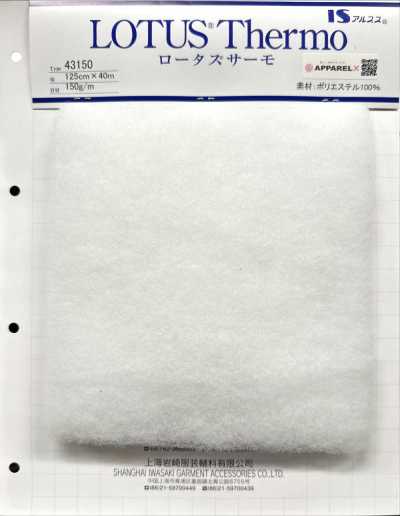
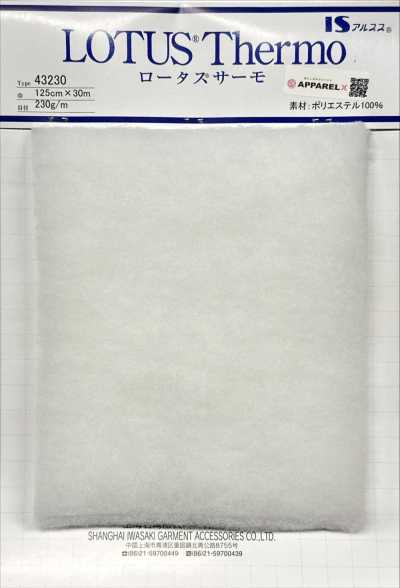
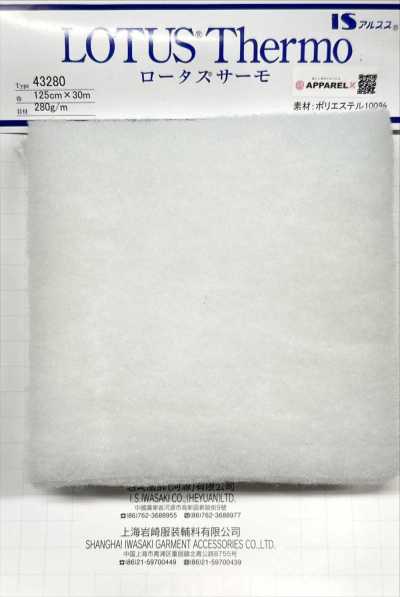
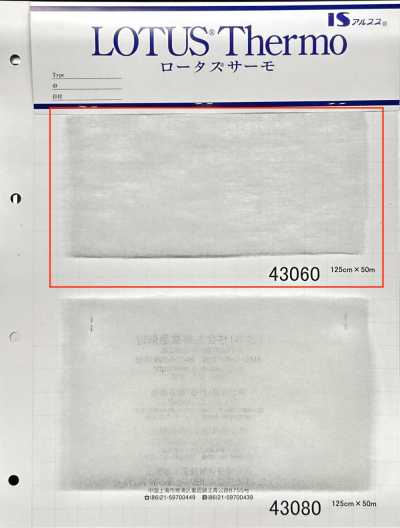
Bulkiness
Bulkiness is the property by which fibers, yarns, and fabrics hold a lot of air, creating fullness and giving an impression of thickness, volume, and elasticity despite being light.
Contents6 sections
Definition and Overview
Bulkiness is the property that describes the large volume occupied by a material and its fullness when pressed. It appears by creating air layers between fibers and inside yarns, and materials with this property tend to feel thick and light even at the same weight.
Bulkiness is not the name of a fabric structure or a specific material; it is a quality characteristic related to hand and function. It can be increased by fiber crimp, brushing, thick decorative yarns, double structures, and hollow structures.
Hand and Function
Fabrics with bulkiness are easier to give a soft, cushioned, three-dimensional feel. Even if they look thick, they may retain lightness thanks to their air-containing structure.
Because air layers tend to slow heat transfer, they contribute to warmth retention and insulation. However, bulkiness alone cannot determine warmth retention or water absorbency, so the fiber type, density, surface finishing, and usage environment must also be checked.
- Surface fullness created by brushing or pile
- Elasticity from crimped fibers or processed yarns
- Thickness and air layers from batting or double structures
- A three-dimensional appearance while maintaining a lightweight feel
Main Applications
In autumn and winter coats, jackets, knits, sweatshirts, fleece, and similar items, bulkiness is used to create warmth and a soft appearance. In padded clothing and quilting, it is also used to add thickness with less weight.
It is also used in sportswear, uniforms, and linings for cushioning, lightweight feel, and comfort against the skin. However, the abrasion resistance, breathability, and washing durability required for the application must be checked separately.
Selection and Handling Notes
When selecting, check not only fabric weight and thickness but also recovery after compression, the finished volume, and changes after washing using an actual sample. Because it affects the garment silhouette, sample confirmation including the combination with interfacing and lining is important.
Bulky brushed materials and knits may shift in thickness during cutting or cause feeding differences during sewing. Adjust presser foot pressure, stitch conditions, and seam allowance thickness to prevent seam shrinkage and puckering.
Washing, drying, and compressed storage may reduce fullness or disturb the nap. Whether water washing is allowed, the drying method, and whether tumble drying is allowed should follow the care label and test results for each material.
Differences from Similar Terms
Bulkiness refers to the property of fullness and volume that contains air. Fullness is often used as a sensory expression for touch and appearance, while bulkiness may refer to the structural property behind it.
Heavy fabric is a classification based on fabric thickness and is not synonymous with bulkiness. Fabric weight is a numerical value showing weight per area, and some low-weight materials can still be bulky. Warmth retention is a performance that makes heat less likely to escape, and bulkiness is one factor related to it.
Frequently Asked Questions
Is a fabric with high bulkiness always warm?
Fabrics with high bulkiness tend to hold air layers and contribute to warmth retention. However, the sensation changes depending on the fiber type, knitting or weaving density, breathability, and whether there is a lining or batting. For applications that require warmth retention, check performance testing and wear evaluation as well as bulkiness.
What should be noted when sewing a bulky fabric?
Depending on the thickness and pile, the fabric may shift easily, and the seam may sink or the seam allowance may become bulky. Perform a test sew in advance and adjust the needle and thread, presser foot pressure, and feed conditions. For brushed materials, it is also important to align the nap direction and keep the cutting and sewing directions consistent.