Denier
Denier is a unit mainly used to express the thickness of chemical-fiber filament yarn and yarn, and is an indicator shown by mass per fixed length.
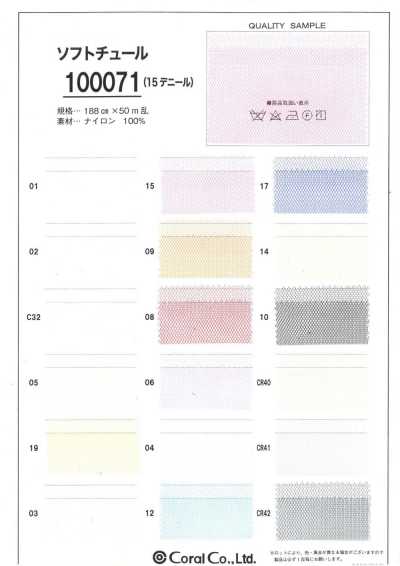
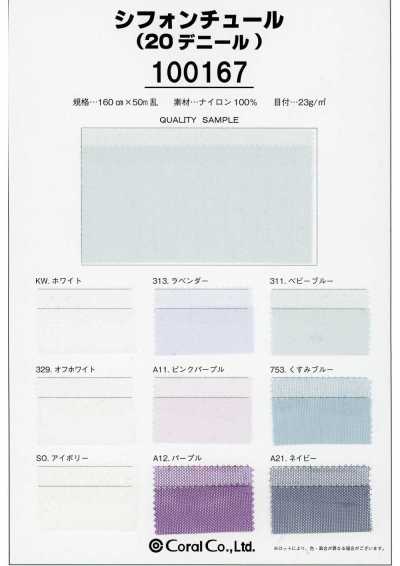
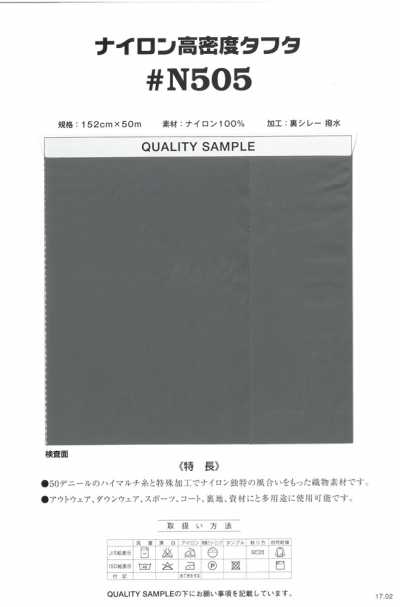
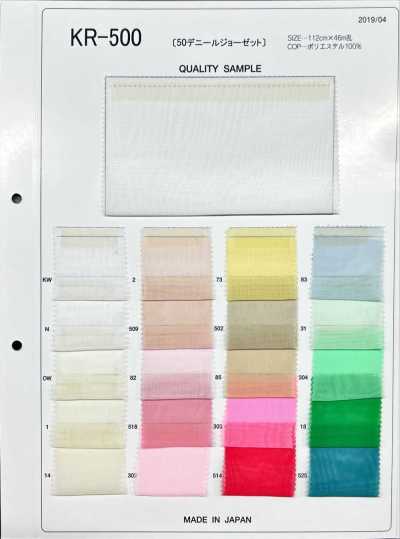
Contents6 sections
Definition and Overview
Denier is a unit that expresses yarn thickness by mass. It is mainly used for filament yarns of synthetic fibers such as nylon and polyester, and in general, the larger the number, the thicker the yarn under the same material and construction conditions. It is shown before or after the textile name and serves as a guide for material selection.
Denier is an indicator of the yarn itself and does not by itself determine textile thickness, weight, or strength. It is important to check the weave or knit construction, density, structure, finishing, and type of material together.
Characteristics and Effect on Appearance
Thin yarns with a low denier value tend to create a light, delicate look and are also used for lightweight or high-density textiles. On the other hand, thick yarns with a high value tend to create a firm hand and strong presence, and depending on the application, they are used for textiles with durability in mind.
However, a thick yarn does not always mean a thick or high-strength textile. Even with the same denier, the hand, tear strength, and sheerness differ depending on whether it is a single yarn or a yarn made by bundling multiple yarns together, whether it is woven or knitted, and whether the density is high or low.
Main Applications
Textiles made with thin-denier yarns are used for linings, blouses, lightweight clothing, and lightweight outerwear. Even if they are thin, they can be woven at high density to provide wind resistance and moderate firmness.
Textiles made with medium- to thick-denier yarns are used for bags, outerwear, uniforms, workwear, and outdoor goods. Especially in nylon and polyester fabrics, denier indications are one of the selection criteria depending on the application.
How to Choose and Handling Notes
When selecting a textile, do not judge by denier value alone; check the fabric weight, density, construction, blend ratio, finishing process, and required strength. If lightness is important, choose thin yarn; if resistance to abrasion or load must be considered, choose thick yarn and confirm the hand with an actual textile sample.
Textiles made from thin fabrics or thin filament yarns may develop puckering around the seams or yarn slippage during sewing. Please test the needle and thread count, seam specification, and sewing conditions in advance to match the textile. Resistance to washing and heat should be judged not by denier but by the material, finishing, and care label instructions.
Differences from Similar Terms
Count is also a unit that indicates yarn thickness, but the concept differs from denier. Count is mainly used for spun yarn, and depending on the system, a larger number may indicate a finer yarn. Since denier generally indicates a thicker yarn as the number increases, it is important not to compare the numbers with the same sense.
Fabric weight is the mass per unit area of a textile and is an indicator for understanding the overall weight of the textile. While denier is information about yarn, fabric weight reflects the finish of the textile, including woven or knitted structure, density, and finishing.
Frequently Asked Questions
Does a higher denier mean a stronger textile?
In general, thick yarn helps create a sturdy textile, but denier alone cannot determine strength. Tear strength and resistance to abrasion vary greatly depending on the material, yarn structure, woven or knit structure, density, and finishing. Test values required for the application and confirmation with the actual product are also necessary.
How should denier and count be used differently?
Denier is a unit of thickness mainly used for filament yarns of synthetic fibers. Count is often used for spun yarn such as cotton and wool, and there are multiple notation systems. In general, denier gets thicker as the number increases, while count becomes finer as the number increases depending on the system.