Filament Yarn and Spun Yarn
Filament yarns and spun yarns are collective terms for yarn made from continuous long fibers and yarn made by twisting together short fibers, and they are a classification that affects the sheen, fuzz, strength, and hand of textiles.
Contents6 sections
Definition and Overview
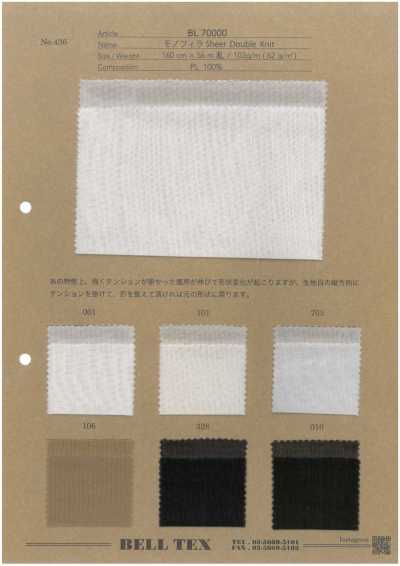
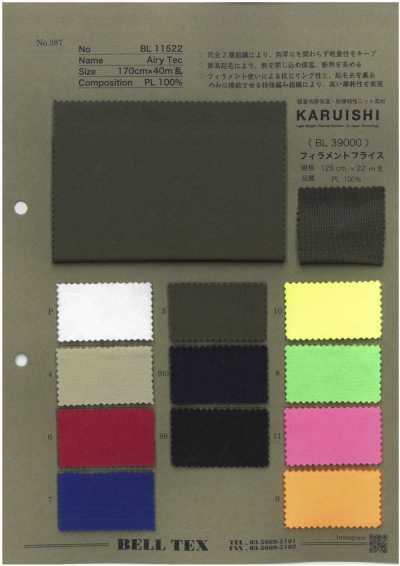
Filament yarn is a yarn made of long, continuous fibers. In natural fibers, silk is a typical example, and in synthetic fibers, it is commonly seen in polyester and nylon. Because the fibers remain continuous without being cut, it tends to have a relatively smooth surface.
Spun yarn is made by twisting together short fibers such as cotton, wool, and linen, or synthetic fibers processed into staple fibers, in a fixed direction. Fiber ends tend to appear on the yarn surface, and depending on the material and spinning method, it creates loft, softness, and a rustic look.
Characteristics and Effects on Textile
Textiles made with filament yarn tend to have less fuzz and are more likely to show sheen and vivid color. They are used for textiles that take advantage of surface smoothness and lightness, such as taffeta, satin, and chiffon. On the other hand, depending on the yarn thickness and weaving or knitting structure, they may feel stiff or squeaky.
Textiles made with spun yarn are more likely to trap air and have a soft, warm feel. A matte appearance from fuzz and a natural loft are also characteristic. However, the degree of pilling caused by fuzzing and friction varies depending on the type of fiber, twist, weaving or knitting density, and finishing process.
- Filament yarn: easy to create smoothness, sheen, and a crisp surface feel.
- Spun yarn: easy to create loft, softness, and a fuzzy look.
- Even with the same fiber material, the appearance and hand feel of the textile vary greatly depending on the yarn form.
Main Applications
Filament yarn is widely used in products that require lightness, sheen, strength, and quick-drying performance, such as linings, blouses, dresses, sportswear, and outerwear. Using ultrafine filament makes it easier to express a soft touch and a dense, refined surface.
Spun yarn is used for shirts, T-shirts, sweatshirts, knitwear, pants, jackets, and coats. It is suitable when you want to make use of the natural texture of cotton or wool. Seasonality depends on the fiber material and textile thickness, and even spun yarn is available in a wide range from lightweight to heavyweight textiles.
Selection and Handling Notes
When choosing a textile, checking whether it is filament yarn or spun yarn, in addition to the fiber name of the material, makes it easier to judge the desired surface feel. Spun yarn is a candidate for a casual look with less sheen, while filament yarn is a candidate for a clear, elegant surface feel. However, in the end, confirm the thickness, density, and finishing with a textile swatch.
In sewing, thin filament-yarn textiles and high-density textiles may show needle holes, puckering, and seam distortion more noticeably. It is important to examine the suitable needle size, sewing thread, and thread tension in advance. For spun-yarn textiles, check fuzz loss at cut edges, shrinkage after washing, and fuzzing in areas of friction through testing and washing instructions.
Differences from Similar Terms
Long fibers and short fibers are classifications based on the length of the fibers themselves. Filament yarn is mainly made from long fibers, while spun yarn is mainly made from short fibers. However, since polyester processed into staple fibers can also be made into spun yarn, this does not necessarily match the classification by raw material, such as natural fibers or synthetic fibers.
Single yarn and ply yarn are classifications that indicate how many yarns have been twisted together, and they are a different concept from the distinction between filament yarn and spun yarn. Both filament yarn and spun yarn can be single yarn or ply yarn. Count and denier are units that express yarn thickness and do not directly indicate yarn form.
Frequently Asked Questions
Which is stronger, filament yarn or spun yarn?
It cannot be compared in general terms. Strength is affected by the type of fiber, yarn thickness, twist, manufacturing method, and weaving or knitting structure. Filament yarn can more easily take advantage of the strength of continuous fibers, while spun yarn allows the twist and thickness to be adjusted according to the application. The required tear strength and abrasion resistance are tested and confirmed as a textile.
Are there spun yarns made from polyester?
Yes. Polyester is used not only as filament yarn made from continuous fibers, but can also be processed into staple fibers and made into spun yarn. Filament makes it easier to express sheen and smoothness, while spun yarn makes it easier to express a cotton-like matte look and loft. Even when the material label is the same polyester, it is important to check the yarn form.