Drill
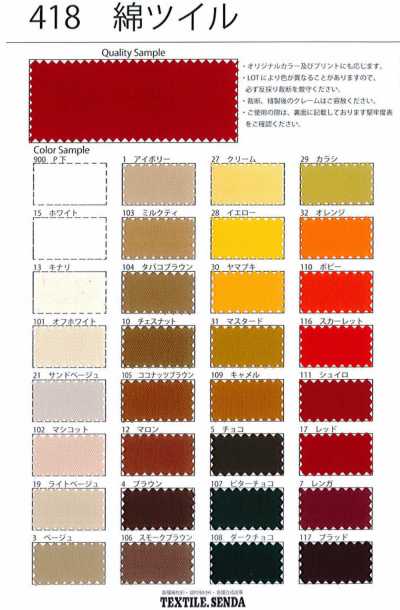
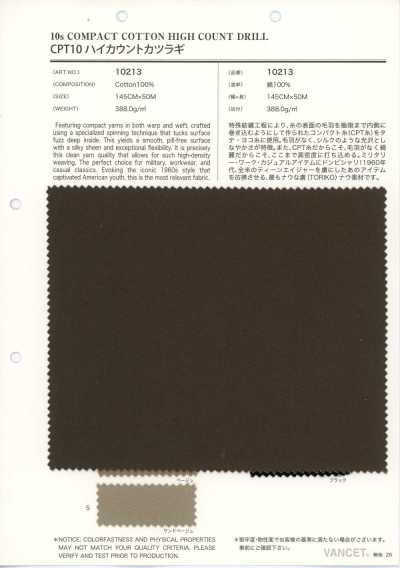
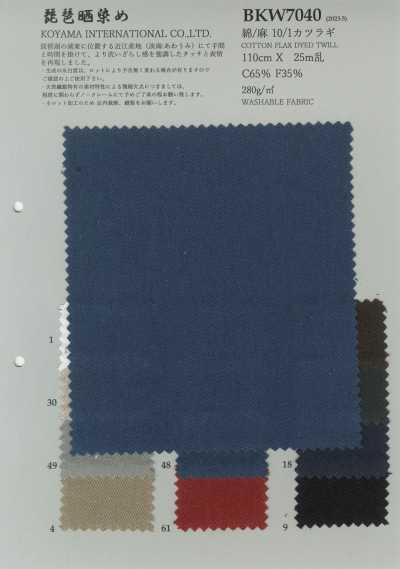
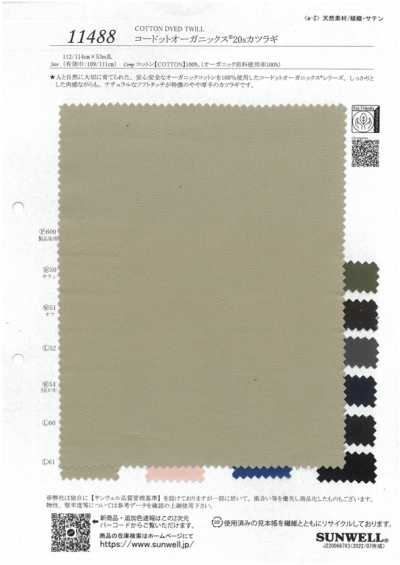
Drill is generally a woven fabric made mainly from cotton in a twill weave, with visible diagonal ridges, and is durable with a moderate thickness and firmness.
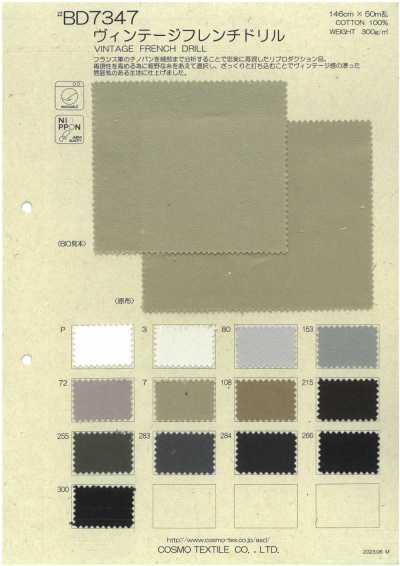
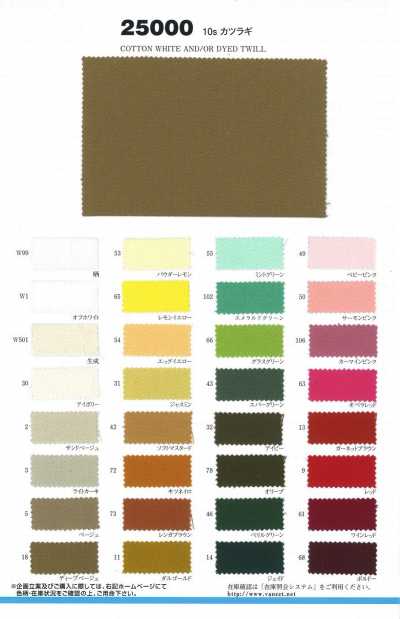
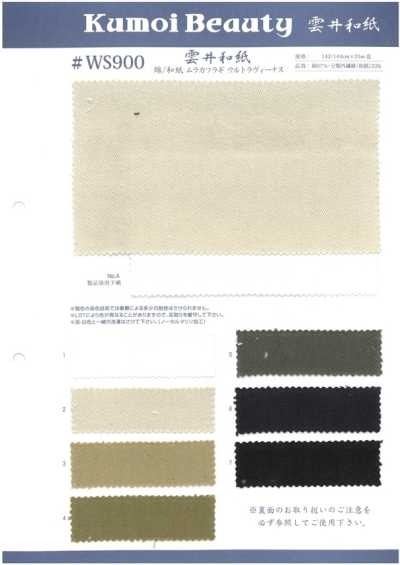
![75500 20s Drill [Omataseshima10! Compatible Item]](/img/item/thumb/OKURA/1084806_t2.jpg)
Contents6 sections
Definition and Overview
Drill is a type of durable twill fabric. Cotton-based versions are the most common, but depending on the application, some products also blend polyester and other fibers. In constructions where the warp yarn appears prominently on the surface, a relatively distinct diagonal weave pattern can be seen on the face side.
The name is used broadly depending on the structure, intended use, and regional or commercial custom. For that reason, the term drill alone does not identify the material, thickness, density, or finish, so it is important to check specifications and fabric swatches.
Feel and Function
It is characterized by firmness and durability, and it is a textile that tends to finish with a more practical, robust impression than a lightweight plain weave. It has a restrained look created by the twill lines, and depending on the processing and dyeing method, it can range from a firm texture to a soft, washed texture.
Cotton-based drill is easy to make absorbent, but depending on the wearing environment and finish, it may take time to dry. The blend ratio, fabric weight, density, water-repellent aftertreatment, and other post-finishing processes affect the sense of strength, breathability, wrinkling, and ease of handling after washing.
Main Applications
It is used for garments that require durability and moderate shape retention, such as pants, work jackets, coveralls, skirts, and uniforms. It is also used for bags and aprons, and depending on the thickness and finish, it can be incorporated into casual items for year-round wear.
Relatively thick products are suited to fall and winter or workwear applications, but lightweight products made with fine yarn can also be used for spring and summer bottoms and shirt jackets. When planning, do not judge by season name alone; check the fabric weight, breathability, and thickness when layered.
- Pants / work pants
- Jackets / coveralls
- Uniforms / workwear
- Aprons / bags
Selection and Handling Notes
When selecting, in addition to the fiber composition, check the fabric weight, density, direction of the twill lines, and whether any processing has been applied. If you want to reduce stiffness in the finished product, whether softening or washing treatment has been applied is an important factor. In sewing, adjust the needle, thread, and seam allowances where layers overlap according to the fabric thickness to prevent seam puckering.
Products with a high cotton content may shrink through washing or pre-washing, and colored items may fade due to rubbing or washing. Before cutting and sewing, perform straightening and a test wash on the roll, and in full production, check lot-to-lot color differences, shrinkage rate, and skew.
Differences from Similar Terms
Twill often refers to twill fabrics in general, while drill is a name that is often used for cotton-based twill fabrics that are durable and practical. However, because the distinction is not always clear in distribution, compare them by structure and specifications.
Chino cloth generally refers to cotton twill fabric used for chino pants and similar items. It has properties close to drill, but the name depends on usage and custom. Denim is characterized by the color use and dyeing method of the warp and weft yarns, so it cannot be distinguished simply as a durable twill.
Frequently Asked Questions
Are drill and twill the same?
Does drill fabric shrink when washed?
Drill with a high cotton content may shrink when washed. The amount of shrinkage varies depending on the composition, weave density, dyeing process, and whether shrink-resistant treatment has been applied. Before mass production, it is important to test wash fabric samples and reflect the shrinkage rate in the pattern and specifications.
What should you watch out for when sewing drill fabric?
Because it has thickness and firmness, steps in the fabric can become noticeable where seam allowances overlap. Choose a needle and thread suited to the fabric thickness, and check stitch length, thread tension, and puckering with a test seam. Since twill can also have a characteristic skew, straightening the fabric before cutting is effective.