Hickory
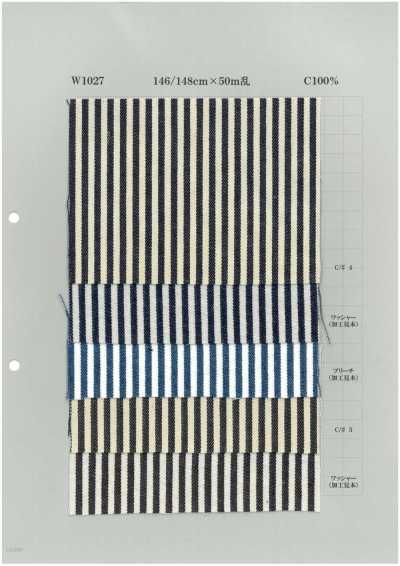
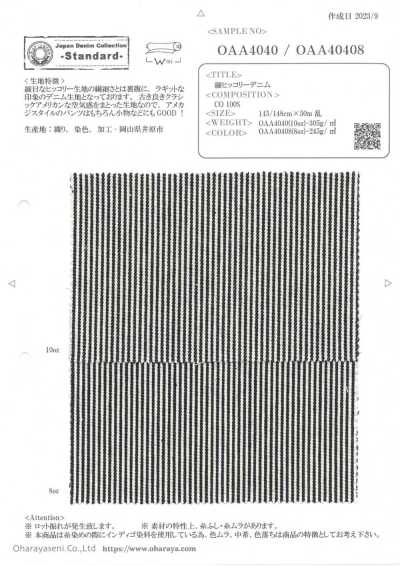
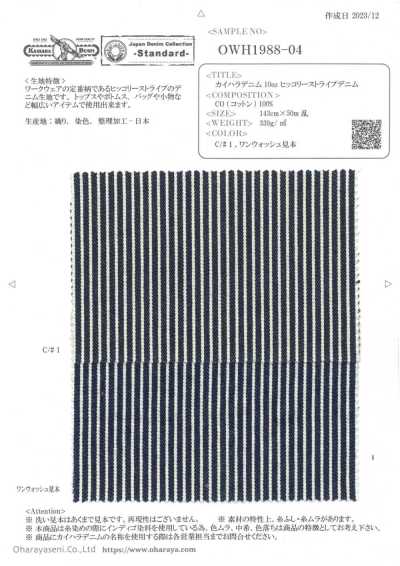
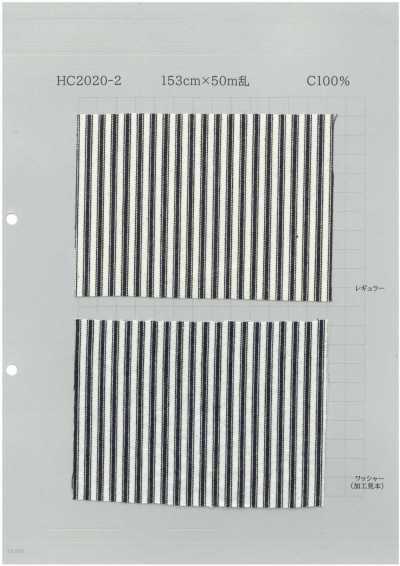
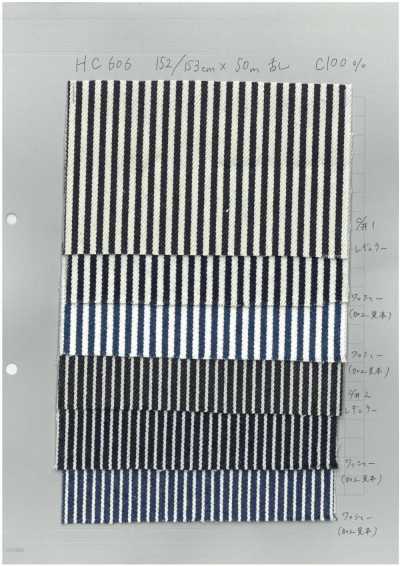
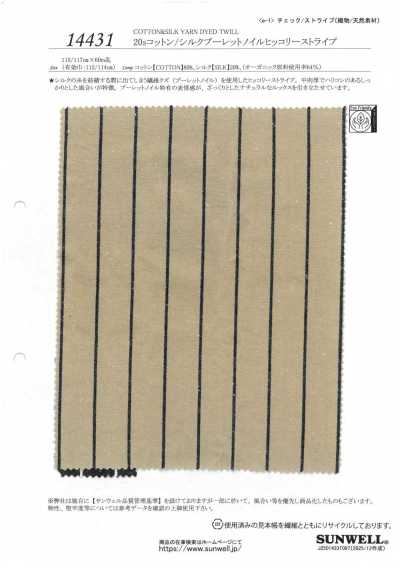
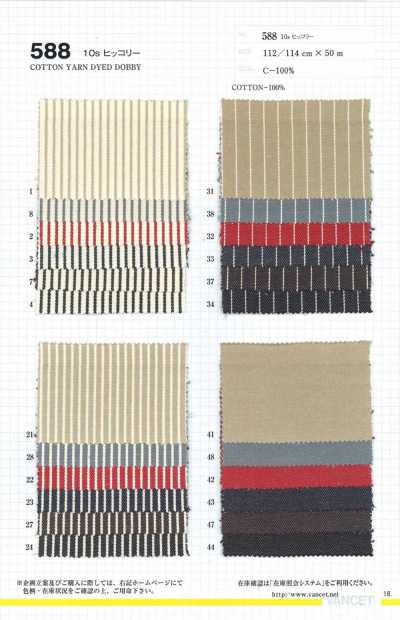
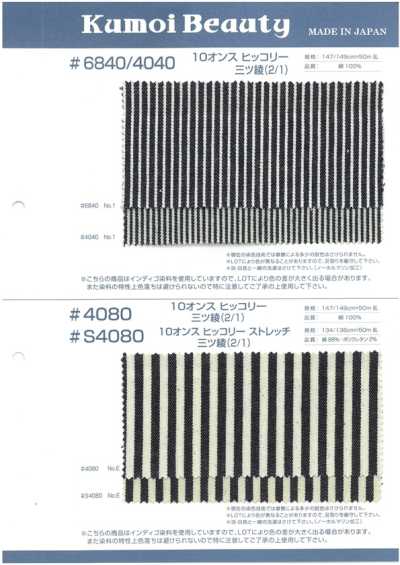
Hickory is a term for a workwear-style fabric or pattern, often made primarily from cotton, with narrow stripes woven into a white ground in indigo or similar colors.
Contents6 sections
Definition and Overview
Hickory generally refers to a fine stripe pattern expressed with white and indigo-toned yarns. It is often used in cotton textiles, and is characterized by a plain, casual impression with roots in workwear. The weave structure, yarn thickness, and stripe spacing vary by textile.
Hickory is not the name of a specific weave structure, but rather a term that mainly describes a stripe pattern or its appearance. Because it is made with structures such as plain weave and twill weave, do not judge thickness, strength, or stretchability from the name alone; check the fiber blend ratio, fabric weight, and weave structure.
Features
The contrast between the white and dark stripes is clear, combining a fresh feel with the sturdy impression of workwear. Many versions have stripes running in the warp direction, and finer stripes look more delicate, while wider stripes create a more casual and noticeable appearance.
When cotton is the main material, it tends to be absorbent, and its texture becomes more familiar with repeated wear and washing. On the other hand, thickness, stiffness, and wrinkling depend on the weave structure and yarn selection. Stretchability comes from blended fibers or finishing, so it is not inherent in the name Hickory alone.
Main Applications
Used for shirts, overalls, pants, coveralls, and work jackets. It is also suitable for fashion accessories such as aprons, hats, and bags, and is a textile that can easily create the impression that dirt is less noticeable because of the stripes.
Lightweight versions are suitable for spring and summer shirts, blouses, and light garments, while firm medium-weight versions are suitable for year-round pants and uniforms. Since seasonality is not determined by the name, decide the application by checking fabric weight, sheerness, breathability, and finishing.
How to Choose and Handling Precautions
Check the weave structure, fabric weight, textile width, fiber blend ratio, and stripe width according to the item. For shirts, lightness and comfort against the skin are important; for pants and workwear, durability and opacity are important. Stripe patterns can change the finished impression greatly depending on cutting direction and pattern matching.
Textiles with a high cotton content may shrink after washing, so check the shrinkage rate through washing tests or hot-water treatment before mass production. Dark-colored areas may fade or transfer color through friction or washing, so follow the care label and wash separately from light-colored items at first.
During sewing, aligning the stripes at the front placket, pockets, side seams, and other areas creates a neat appearance. Since differences between the left and right sides of the pattern and misalignment of the grain are easy to notice, unify the stripe direction during spreading and cutting, and allow the necessary fabric consumption.
Differences from Similar Terms
Denim generally refers to a twill woven fabric with dyed warp yarns, and its surface is mainly plain in appearance. Hickory differs in that the stripes are visible, but like denim, it is popular for workwear. Some Hickory fabrics are also twill weave, but the term does not describe the weave structure itself.
Chambray is a woven fabric made with colored warp yarns and white weft yarns, giving it a heathered appearance. Hickory differs in that multiple colors of yarn are arranged to express stripes. Also, stripe is the general term for striped patterns, while Hickory is a term for a workwear-style color scheme and design among them.
Frequently Asked Questions
Are Hickory and denim the same textile?
No, they are not the same. Denim is mainly the name of a woven fabric made with a twill weave, while Hickory is a term that mainly refers to a stripe pattern such as white and indigo tones. Although both are widely used in workwear, they differ in structure, color appearance, and whether they have a pattern.
Does Hickory textile shrink when washed?
Hickory with a high cotton content may shrink when washed. Shrinkage differs depending on the weave structure, finishing, fiber blend ratio, and washing conditions, so check the shrinkage rate before product development. Also judge whether shrink-resistant finishing has been applied based on the textile specifications and test results.
Is pattern matching necessary when sewing Hickory?
It is generally common to match the pattern at the front center, front placket, pockets, side seams, and other areas that draw attention. Even fine stripes may show misalignment. Specify the stripe position when creating the pattern, and allow extra fabric consumption for pattern matching.
- Browse Hickory Stripe products
- Products with material "Cotton"
- Products for style "For Shirts/blouses"
- Products for style "For Pants"
- Products for style "For Jackets/Suits"
- Products for style "For Uniforms/Workwear"
- Products for style "For Denim"
- Products for style "For Kids"
- Browse Textile products