Lab Dip
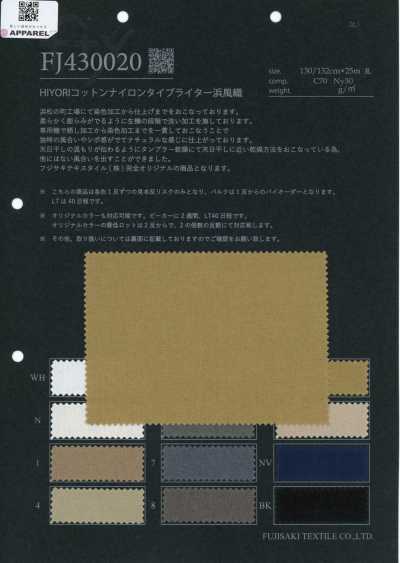
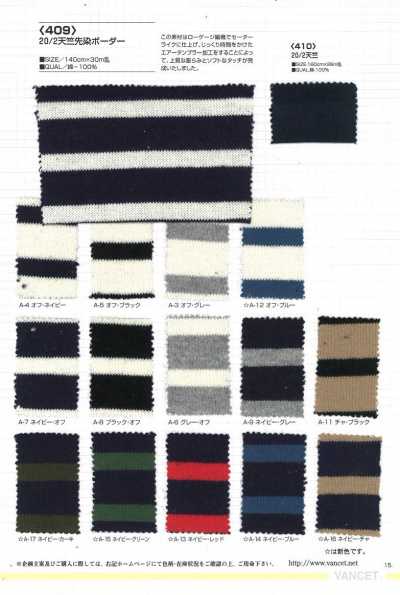
A lab dip is a dyeing sample created by trial-dyeing a small piece of textile or yarn before mass production to check how well the specified color can be reproduced and to confirm the hand feel.
Contents5 sections
Definition and overview
A lab dip is a small dye sample created in a dyeing factory's test facilities. Based on the color swatch or color number specified by the planning team, dye formulas and dyeing conditions are adjusted to create candidates close to the target color. It is used to confirm color before moving to production dyeing.
It does not refer to the textile itself or to a processing name, but to the sample-making process used to determine color. On site, it may also be called a beaker or beaker dyeing, but those terms may also refer to the container or the test dyeing method, so the context must be checked.
Features and what can be confirmed
Lab dips are mainly used to check the visual tone of color, such as hue, lightness, and saturation. Even with the same specified color, the appearance changes depending on fiber type, yarn thickness, fabric construction, pre-treatment, and dye, so it is important to confirm using the actual textile to be mass produced.
Hand feel can be checked to a certain extent even with a small sample, but it may change depending on the dyeing machine used in production, processing conditions, and roll size. It does not guarantee functions such as absorbency or stretch, or the final surface feel.
- Check color under light sources close to the intended use, such as natural light, store lighting, and LED lighting.
- When comparing with a color sample, also pay attention to metamerism, where colors appear different depending on the light source.
- Assign numbers and formula information to candidates, and record the approved details in specifications and other documents.
Main uses and process
It is used to decide colors for apparel using piece dyed textiles or yarn, such as shirts, blouses, cut-and-sew tops, pants, outerwear, and uniforms. It is not limited to any particular season, but for light colors, dark colors, and vivid colors, the number of items to check may be increased depending on the material and application.
Generally, the process goes from presenting color samples, test dyeing, submitting the lab dip, approval, and production dyeing. To reduce color differences from the mass-produced product, it is important that the storage method for the approved sample, the light source used for confirmation, and the acceptable range be shared among all parties involved.
How to choose and handling precautions
When evaluating a lab dip, confirm whether the material blend ratio, construction, fabric weight, and pre- or post-processing such as PFD or brushed treatment are the same as planned for production. A color sample made with a different textile may serve as a reference for the target color, but it does not directly indicate the color of the textile to be mass produced.
Shrinkage, changes in appearance after washing, color fading or transfer, and needle holes or fading at sewing cannot be fully judged from a lab dip alone. Before production, if necessary, confirm shrinkage rate, fastness, and sewing suitability with trial rolls or product samples, and reflect the results in care labels as well.
Color differences may occur between the selvage and the center of the textile, between rolls, and during additional production. Keeping the approved sample as the reference and checking production lots makes it easier to handle matching during cutting and color variation between products.
Frequently asked questions
What is the difference between a lab dip and a swatch?
A lab dip is a sample dyed on a test basis to confirm whether a specified color can be reproduced. A swatch, on the other hand, is a broad term for a small piece sample used to check the texture, color, pattern, and other qualities of fabric or trim. A swatch is not necessarily a test-dyed item.
After lab dip approval, will the production color be exactly the same?
The approved sample becomes the standard for the production color, but test dyeing and production differ in equipment and processing volume, so they may not be exactly identical. It is necessary to set an acceptable range according to the material, color, and processing conditions, and to check the color by roll or lot during production.
Can wash shrinkage and color fading be checked with a lab dip?
In some cases, a simple check may be performed, but judging the wash durability or shrinkage rate of a product from a small test-dyed sample alone is insufficient. Separate fastness tests for washing, rubbing, perspiration, and other required conditions should be carried out, along with checks using textile close to actual production conditions.