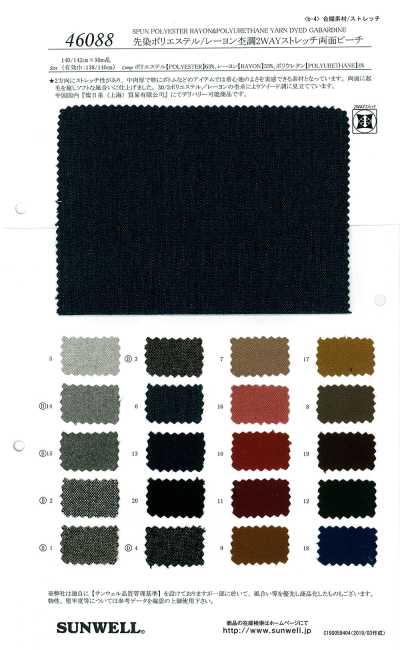
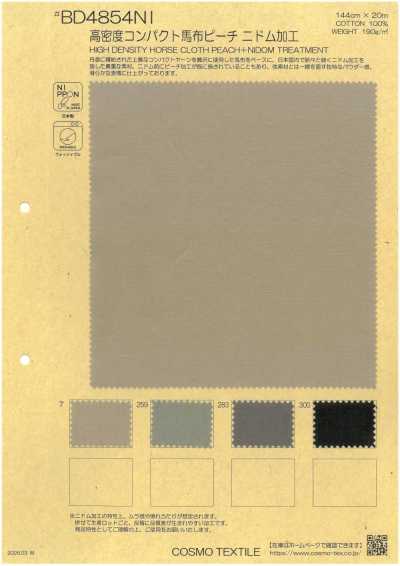
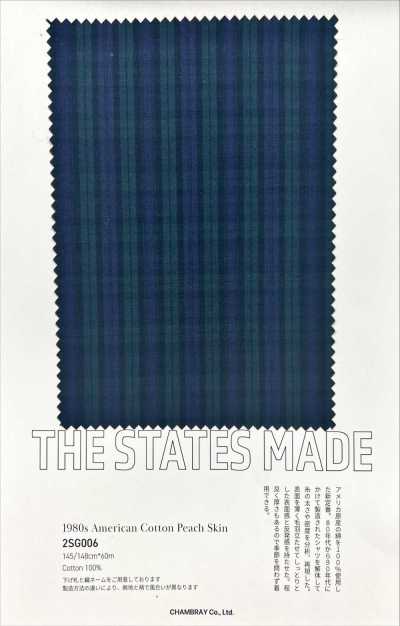
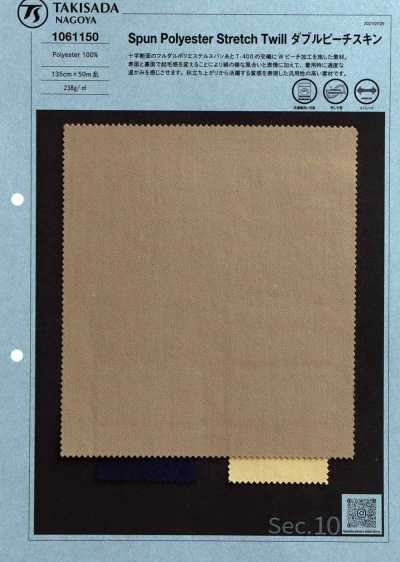
Peach Finish
Peach finish is a finishing process that lightly brushes the surface of a textile to create short, delicate nap like peach skin, giving it a soft, subdued look and feel.
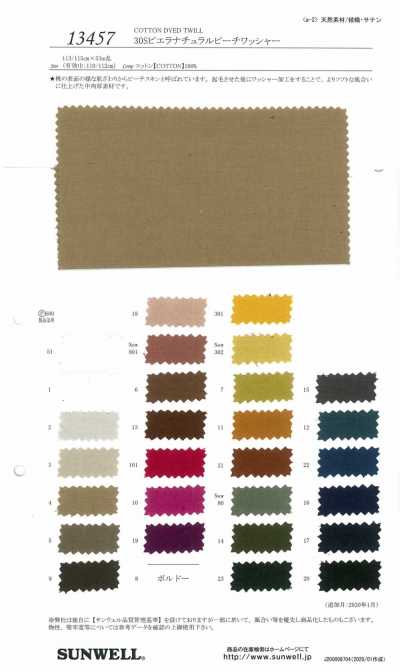
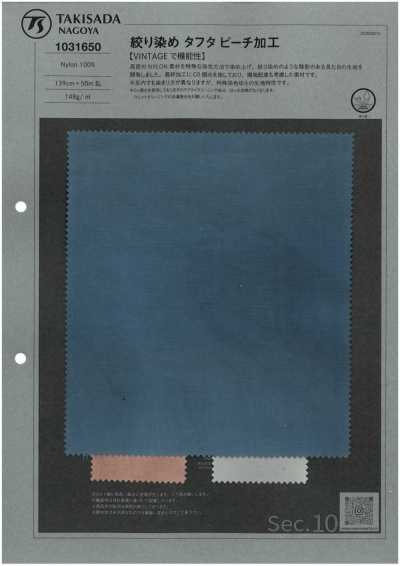
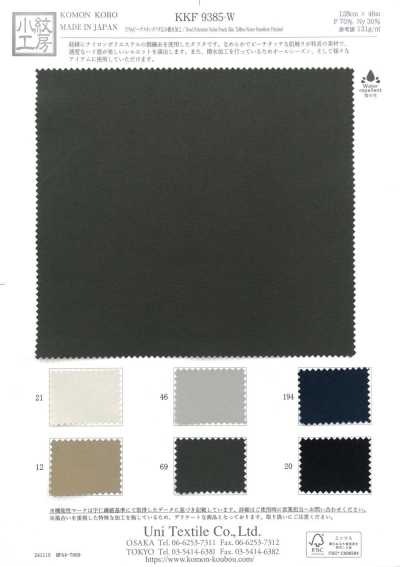
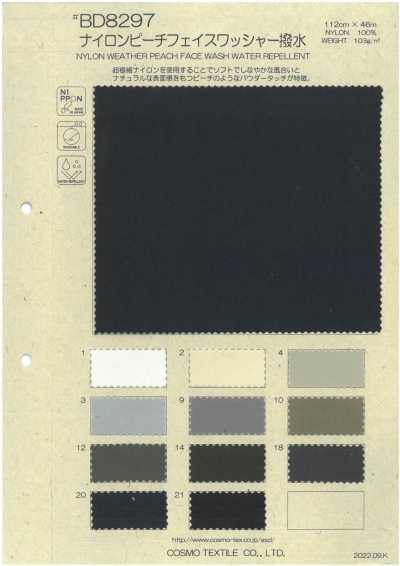
Contents6 sections
Definition and Overview
Peach finish is a process that lightly abrades and brushes the surface of woven or knitted fabric to create very short nap. It is a type of post-processing that changes the surface texture of the textile, rather than a material name or weave name. It is used on fabrics made from a variety of materials, including cotton, polyester, and nylon.
The density and feel of the nap vary greatly depending on the strength of the finish, the original yarn or weave structure, and dyeing conditions. Even with the same peach finish designation, fabrics range from thin and delicate to relatively firm.
Features
The surface has reduced sheen, giving a matte and soft impression. Depending on the direction you stroke it with your finger, the tone and shading may appear to change slightly. Because it has dense short nap, it is characterized by a smooth, slightly moist feel.
It is easy to create a texture that does not feel cold even in lightweight fabrics, and it is used not only for autumn and winter looks but also for light clothing in early spring. However, peach finish itself does not guarantee functions such as warmth retention, water absorbency, or stretchability.
Main Applications
It is used for shirts, blouses, dresses, skirts, pants, jackets, and light outerwear. It is suitable when applied to plain weave or twill fabrics to create a casual, gentle look or a calm suede-like appearance.
It is often seen in shirt fabrics and outerwear fabrics for autumn and winter, but the wearing season varies depending on the base fabric weight, thickness, and blend ratio. When deciding on applications, check not only the finish name but also the fabric thickness, sheerness, breathability, and drape.
How to Choose and Handling Precautions
During development, confirm nap length, direction, and color appearance using actual swatches or sample rolls. Dark colors may show a whitish appearance from the nap or fading from friction more noticeably. It is also important to check color differences with the face fabric, contrast fabric, and accessories while keeping the nap in a consistent direction.
Washing and wear friction may cause the nap to lie flat or become uneven, changing the texture. Shrinkage and dimensional change depend on the base fabric material and finishing conditions, so a washing test should be performed before mass production to confirm the shrinkage rate. Always follow the product's washing instructions.
During cutting, align the nap direction and arrange pieces so that the appearance does not change within the same part. During sewing, the nap may get caught in the seam allowance and make the stitching look uneven, so it is reassuring to confirm the needle, sewing thread, presser foot pressure, and sewing conditions in a prototype.
Differences from Similar Terms
Brushing refers broadly to all processes that raise fibers on the fabric surface to create nap. Peach finish is often used for a finish that aims for short, fine nap reminiscent of peach skin and a smooth suede-like surface texture.
Suede originally refers to a material made by brushing the grain side of leather. Peach finish, on the other hand, is a surface finish applied to woven or knitted fabrics. Peach-finished fabric may be described as suede-like, but the material and manufacturing method are not the same.
Frequently Asked Questions
What is the difference between peach finish and brushing?
Brushing is the general term for processes that raise nap on the fabric surface. Peach finish is used as a type of brushing-related finish that creates the smoothness and matte look of peach skin through short, fine nap. The processing method and final result differ by manufacturer and fabric.
Does peach-finished fabric shrink when washed?
Whether shrinkage occurs and to what extent cannot be determined by the peach finish alone. It varies depending on the material such as cotton, the weave or knit structure, and dyeing and finishing conditions. Before mass production or pattern design, it is necessary to test using the intended washing method and confirm the shrinkage rate and changes in surface nap.
Are there any precautions when cutting and sewing peach-finished fabric?
For fabrics with directional nap, if the nap direction is not unified during cutting, the color and sheen may look different from piece to piece. During sewing, the nap can easily get caught in the seam allowance, so check the appearance of the seam, feed stability, and nap flattening from ironing in a sample.